‘Indefinite legal limbo’: State sued for failing to treat those found unfit for trial
/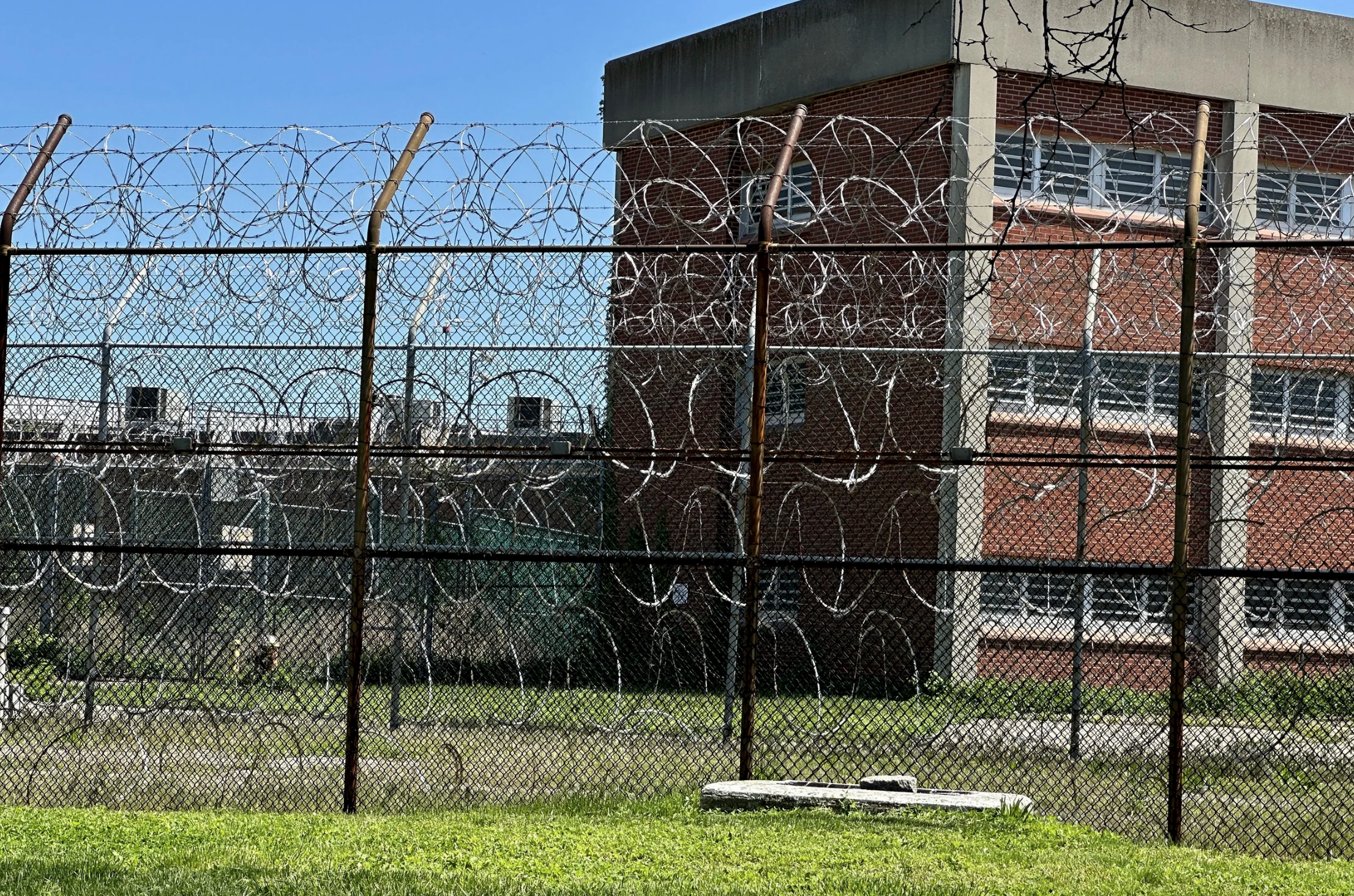
A new lawsuit accuses the state of failing to get detainees found unfit for trial off Rikers Island and into hospitals for treatment. AP file photo by Ted Shaffrey
By Jacob Kaye
The state consistently violates judicial orders by leaving detainees in need of psychiatric treatment ahead of their trial behind bars for months at a time, a new lawsuit alleges.
The class action lawsuit brought by the Legal Aid Society and the NYU School of Law’s Civil Rights in the Criminal Legal System Clinic claims that the New York State Office of Mental Health, the city’s Health + Hospitals Corporation and the city’s Department of Health and Mental Hygiene regularly violate detainees’ due process rights by failing to move them from Rikers Island to a psychiatric facility when ordered to do so by a judge.
Last year, 130 New Yorkers waited more than 100 days on Rikers Island before being moved to a state facility for “competency restoration,” the term for the type of treatment given to defendants found mentally unfit to stand trial.
“Widespread failures of the state mental health agency, the New York Office of Mental Health, and its city partners cause hundreds of people each year to languish for months in the brutal jails on Rikers Island while they wait for services that restore their competence to stand trial,” read the suit, which was filed in federal court.
According to the suit, while the average wait time was 81 days last year, nearly a dozen people over the past two years waited more than six months, including one person whose treatment was delayed for nine months.
With the treatment delayed, the criminal cases drag on in the courts and the defendants are stuck in an "indefinite legal limbo” in the city’s notoriously dangerous jail, the suit said.
“When you have a client and they've been committed to OMH for a competency restoration, and then they're just stuck at Rikers for four, or five, or six months, sometimes longer, there's absolutely nothing we can do about it,” Shona Hemmady, a staff attorney in the Legal Aid Society’s Special Litigation Unit, told the Eagle. “It’s a great injustice.”
For detainees with severe mental health issues, Rikers Island can be a particularly dangerous place.
Hemmady said those awaiting competency restoration are punished for behaviors stemming from their mental illness. Some are “deadlocked,” an allegedly well-established practice in the city’s jails where officers indiscriminately lock up mentally ill detainees, cutting them off from health care, services and other people in DOC custody, the lawsuit claims.
The consequences can be deadly, the Legal Aid Society said.
Of the 59 people who died in Department of Correction custody since 2021, about half had mental health needs
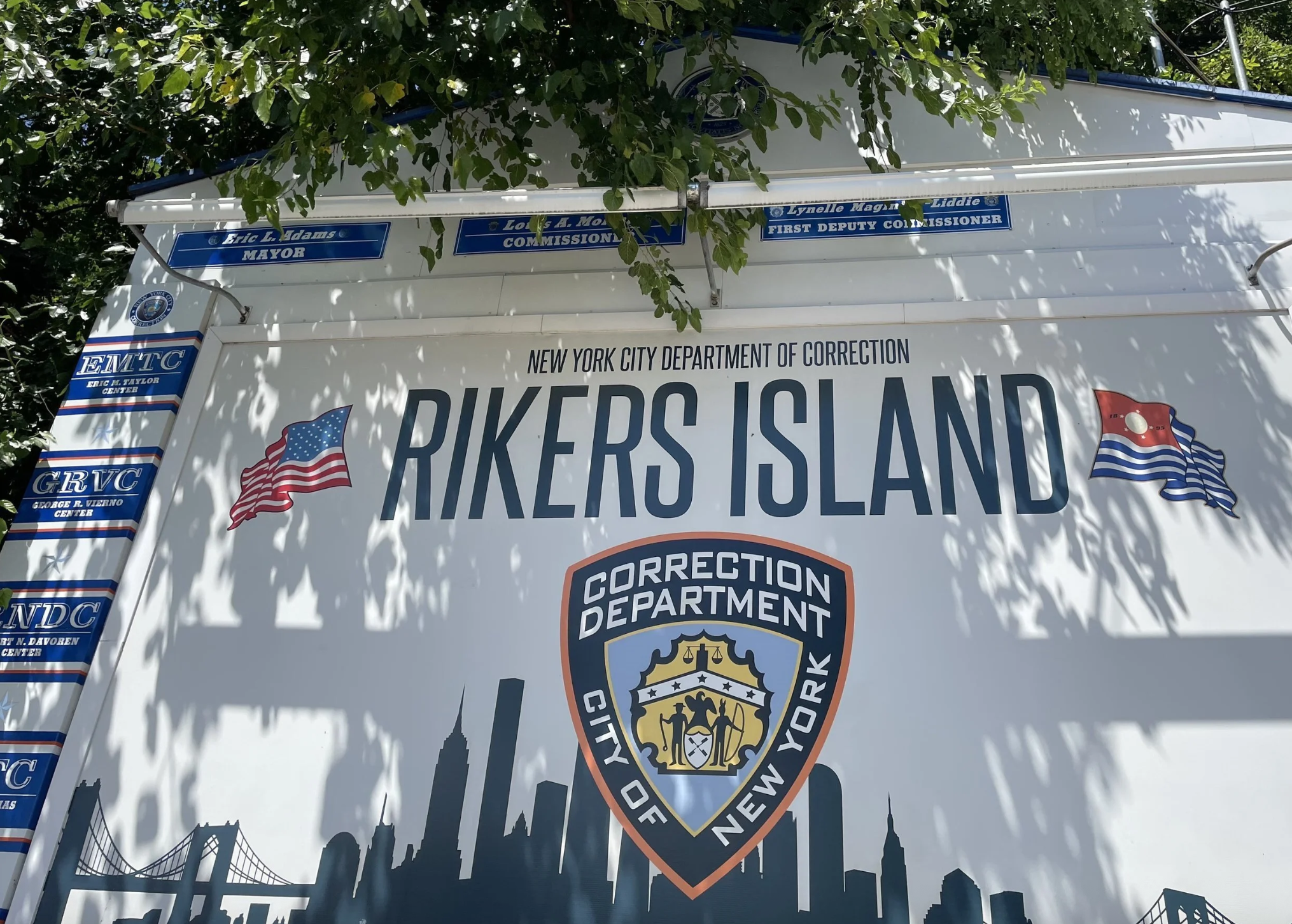
On any given day, over 100 detainees found unfit to stand trial are held on Rikers Island awaiting transfer to a state hospital, a new lawsuit alleges. Eagle file photo by Jacob Kaye
About half of the 59 people who died in Department of Correction custody since 2021 had mental health needs, including five detainees who required competency restoration while behind bars.
“Being mentally ill in a place that is dangerous, that's overcrowded, that is just all these awful things, it makes people particularly scared and vulnerable, and it exacerbates their psychiatric disability, as well,” Hemmady said.
A defendant's mental competency is first established when a judge orders what’s known as a 730 exam. Two psychiatrists examine the defendant and determine whether or not they are fit to stand trial.
If they’re found unfit to stand trial, OMH designates a hospital where the person will be treated, and puts them on that hospital’s wait list.
Once they are put on a wait list, “everybody just waits,” Hemmady said.
“Sometimes we on the defense side ask OMH, ‘When you think this person's moving, what's happening?’ And they just tell us, ‘Well, we don't really know,’” the attorney said.
The suit also claims that OMH regularly fails to evaluate whether or not a defendant can receive their competency restoration at a community-based treatment facility, not requiring them to spend time on Rikers Island or in a secure hospital.
One plaintiff in the suit, referred to as R.M., was arrested and released after his initial court appearance. R.M., who had previously been diagnosed with schizophrenia, attended each of his court hearings while living in the community. After being unfit to stand trial in March, however, he was sent to Rikers Island to await transfer to an OMH facility.
Over 150 days later, R.M. remains on Rikers, the lawsuit said.
“People awaiting competency restoration have not been convicted of any crime,” the lawsuit read. “Like all criminal defendants, they are presumed innocent. Yet they are routinely jailed for longer than necessary, separated from their families, and kept from the treatment they need, simply because of the state’s dysfunctional and deficient system of care.”
The lawsuit calls on a judge to order OMH to move defendants into state facilities more quickly.
“We really want people to be provided timely competency restoration,” Hemmady said. “They're people with full lives, and the fact that we can just sort of put them away, warehouse them and let them just rot for months is really awful.”