City sued for continued use of solitary confinement on Rikers
/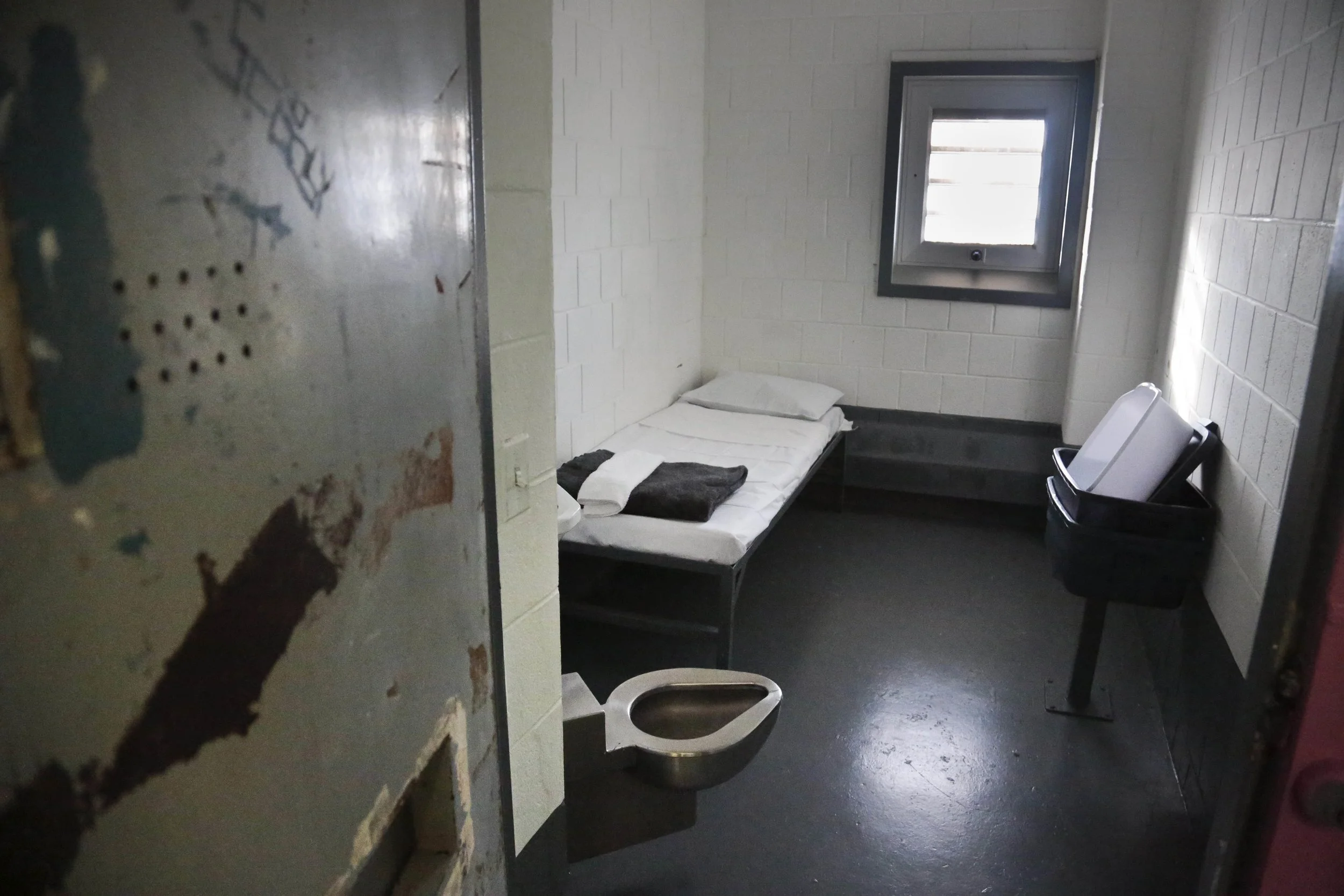
Legal Aid Society sued the New York City Department of Correction for allegedly violating the state’s Humane Alternatives to Long-Term Solitary Confinement Act.AP file photo by Bebeto Matthews
By Noah Powelson
The New York City Department of Correction has regularly violated state law by illegally confining people in jail cells for over 24 hours at a time without access to proper medical care, a new lawsuit claims.
The Legal Aid Society sued the city’s DOC on Monday, claiming the department regularly violated the state’s Humane Alternatives to Long-Term Solitary Confinement Act, otherwise known as HALT, by confining detainees to their cells for days at a time while on Rikers Island. Attorneys who filed the lawsuit said their clients have been denied medical access and suffer from serious medical conditions, both physical and mental, that are exacerbated by the illegal practice.
The lawsuit calls on the courts to take action in ending solitary confinement practices that have been in the intense legal scrutiny the past year.
“Unless restrained by this court, DOC will continue to violate HALT, each day increasing the irreparable physical and mental harm inflicted upon the plaintiffs,” the lawsuit reads.
The four plaintiffs listed in the complaint are all currently incarcerated at Rikers Island and suffer from a variety of physical or mental disabilities. All plaintiffs said they are kept in their cells for at least 23 hours a day, suffer a variety of physical and mental illnesses and have not been receiving proper medical care or doctor visits.
Under the HALT Act, state prisons and jails are prohibited from holding a person in segregated confinement for more than 15 consecutive days, or for more than 20 days total in any 60-day period, barring certain rare circumstances.
Additionally, many people who suffer from physical or mental disabilities qualify for a “special population” designation which disallows solitary confinement for any amount of time.
Special populations include pregnant women, those younger than 21 or older than 55, but also include people with health issues such broken legs, heart disease, or other chronic illnesses such as diabetes, lupus or hemophilia. Additionally, people who rely on wheelchairs, canes, crutches or other devices for mobility; or people with mental health disabilities like PTSD, depression and bipolar disorder, fall into the category.
One plaintiff, 66-year-old Jerry Young, has been confined in the former Communicable Disease Unit in the West Facility since January 2025 for non-medical reasons. Young, who is wheelchair bound, says he is kept in his cell often for 24 hours at a time and outdoor recreation is only offered to him a few times per week.
Young also has stomach cancer and other medical issues but has not been given access to a medical professional, or to anyone else for that matter, the lawsuit claims. The few times Young receives his one hour of recreation, it is spent in a solitary cage without other detainees, according to the lawsuit. Attorneys say the only interaction Young gets is when the food slot on the lower part of his cell door is opened, and he yells out to other people incarcerated in the facility.
Another plaintiff, 33-year-old Ben Foster, described a similar situation of isolation. Foster has been held in North Infirmary Command facility on Rikers since June 2025, where he says he is confined for 23 to 24 hours a day. Like Young, Foster said his only interaction with other people is yelling through the walls of his cell or exchanging quick glances with other incarcerated people on his way to his one-hour of recreation spent alone.
The two other listed plaintiffs described similar situations while enduring a litany of health conditions, including prosthetic legs and epilepsy, while confined in their cells for at least 23 hours a day.
Legal Aid attorneys said that DOC has repeatedly demonstrated they show no interest in meeting their obligations under HALT, and called on a judge to enforce the law on Rikers.
“DOC’s continued refusal to abide by the provisions of the HALT Act is both unlawful and inhumane,” Veronica Vela, a supervising attorney with the Prisoners’ Rights Project at The Legal Aid Society, said in a statement. “No one, and particularly not people living with disabilities, should be locked in a cell for 23 hours a day without human contact or access to medical treatment or programs. These repeated violations of the law must end immediately, and DOC must be prevented from inflicting the pain and trauma of solitary confinement on anyone in its custody.”
The Legal Aid Society is also joined by pro bono counsel at Willkie Farr & Gallagher LLP for the lawsuit.
DOC did not respond to an Eagle inquiry for this story.
Legal Aid’s lawsuit is only the most recent legal action the nonprofit took accusing government agencies of violating state solitary confinement laws.
The Legal Aid Society filed a class action lawsuit in April on behalf of six incarcerated persons who allegedly had been subjected to daily, prolonged periods of solitary confinement. The lawsuit came after the Department of Corrections and Community Supervision Commissioner Daniel Martuscello ordered an emergency suspension of the HALT Act during the state prison correctional officer strike.
Judge Daniel L. Lynch of Albany Supreme Court eventually issued a preliminary injunction in the case ordering Martuscello to rollback the HALT suspension, which DOCCS said they complied with.
But last August, the Legal Aid Society said DOCCS had not complied with the preliminary injunction, and demanded the courts compel the department to comply by holding them in contempt.
“Every day that DOCCS remains out of compliance, thousands of New Yorkers are subjected to the torture of solitary confinement in violation of HALT,” Riley D. Evans, a LAS staff attorney with the Prisoners’ Rights Project, said at the time. “This enforcement motion is a necessary step to hold DOCCS accountable and enforce the court’s order.”