Courts saw major increase in trials last year, data shows
/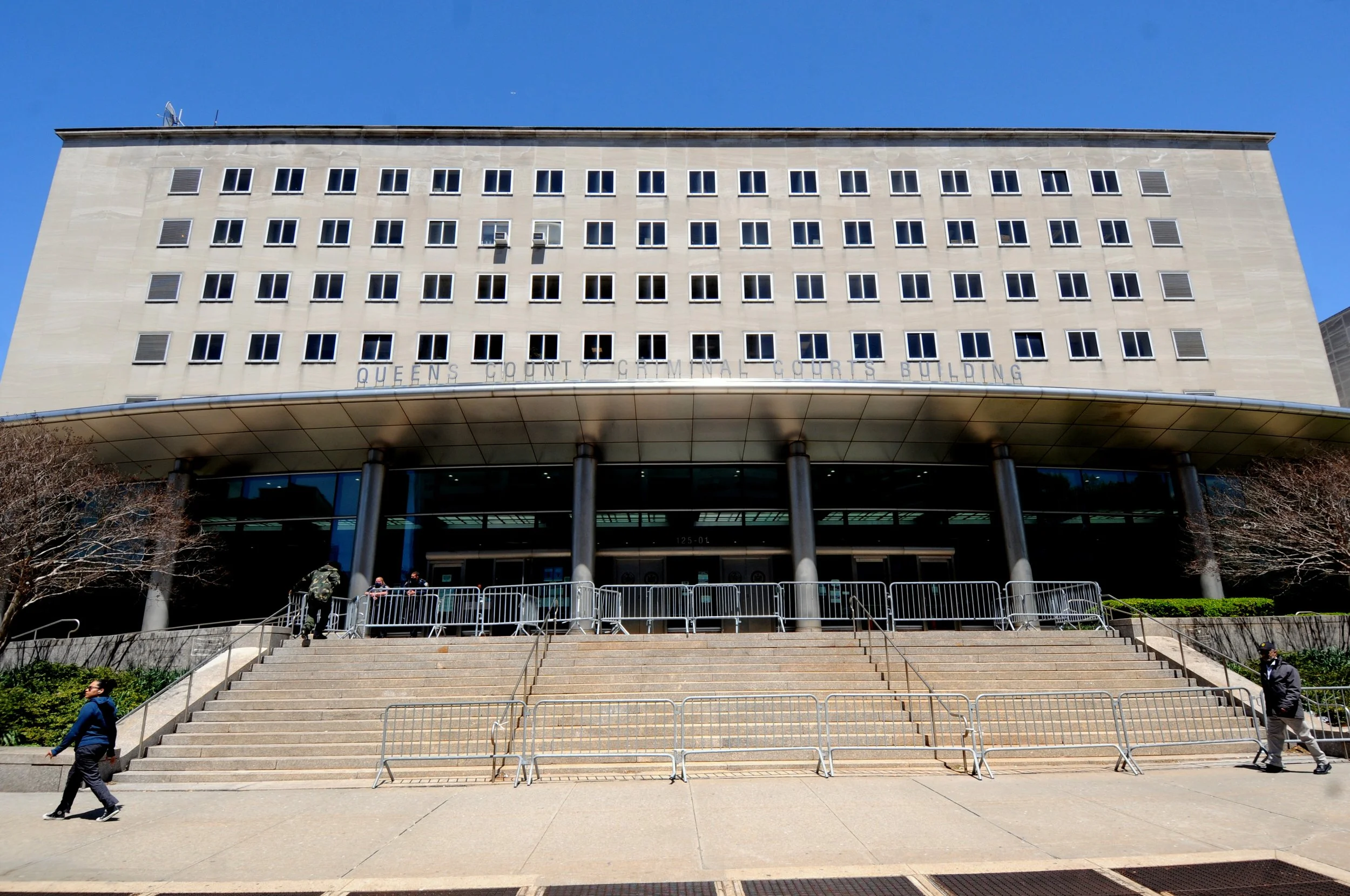
The city and state broke new records in commencing new trials in 2025, surpassing pre-pandemic numbers, court data shows. Eagle file photo by Walter Karling
By Noah Powelson
After the pandemic significantly slowed the number of trials taking place in New York’s courts, the Unified Court System saw a major increase in the number of trials commenced in 2025, a trend that experts say could lead to even faster case processing in 2026.
Data released by the Office of Court Administration showed positive trends in courts across New York City and the rest of the state compared to previous years, with new case filings and pending cases declining and commenced trials at record highs.
The number of trials commenced in 2025 exceeded even the pre-pandemic numbers of 2019, the earliest year for which OCA data is available on its publicly accessible caseload trends dashboard.
Last year, New York commenced 24,763 trials across all courts, a 57 percent overall increase from 2024. Most of those trials were started in New York City, which commenced 18,480 trials across the five boroughs, a 108 percent increase from the previous year.
The same trend was seen in the World’s Borough.
In Queens, 4,011 trials commenced in 2025, a 48 percent increase from 2024 numbers. Like the rest of the city and state, the number was record breaking.
The overwhelming majority of those trials took place in Queens Civil and Supreme Civil courts. Queens Civil Court in particular managed to more than double the number of trials commenced in 2025 compared to pre-pandemic numbers in 2019, going from 1,212 trials to 2,595. The last time Supreme Civil saw trial numbers this high was in 2023, when they had 2,264.
The efforts seem to have helped keep Queens Civil Courts break-even, as both Supreme and Local saw small upticks in new case filings and pending cases, while depositions continued to grow. Administrative Judge of Queens Supreme Court, Civil Term Marguerite Grays, said the data was reflective of the work of court staff that had slowly but surely bounced back from the pandemic.
“The positive trend that is set forth in the data provided by the Office of Court Administration, is due to the steadfast commitment to the efficient operation of this Court by our judicial and non-judicial staff,” Grays told the Eagle in a statement. “Each day this Court works hard to reduce the backlog of cases and to streamline operations. We stand committed to continuing the positive trend.”
Queens Supreme Criminal and Local Criminal likewise saw an increase in trials, though much less compared to the Civil Courts. According to the most recent OCA data, Queens Supreme Court commenced 129 criminal trials while Queen Local commenced 27, the most in both courts since 2019.
Michelle Johnson, the administrative judge for Queens Supreme Court, Criminal Term, said leaders of the Unified Court System have been extremely proactive in providing administrative resources to meet case processing goals. Those resources have led to the implementation of several court initiatives specifically designed to find early case resolution and pinpoint case processing inefficiencies.
“Specifically, the Citywide High-Inventory Defense Counsel Initiative has seen double digit increases in case resolution for our busiest defense attorneys and the same holds true for Queens' local HIDCI,” Johnson told the Eagle. “Queens has also implemented both Early Case and Oldest Case Processing Initiatives, both of which promote case conferencing between the parties at different stages of the case with a view towards identification of discovery disputes and/or issues delaying trial or resolution.”
Chief Administrative Judge Joseph Zayas, who just last week testified before the state legislature calling for a $200 million boost to the court system’s budget, said increasing the number of trials in the city was of particular concern for him. Zayas told the Eagle that numerous factors over the years, from the COVID-19 pandemic to changes to discovery laws, complicated the case processing procedures which led to longer delays and fewer trials.
Part of the court system’s budget increase in 2025 was used to boost staffing in district attorneys’ offices. But staffing for all positions remains a challenge for the courts, and Zayas said having more trial lawyers was especially needed to keep criminal courts moving.
“It has been something I’ve been pushing for, especially in criminal cases,” Zayas told the Eagle. “We’re seeing an increase in dispositions, and you’ll see an increase in trials.”
Johnson also said the result of these initiatives is an overall decrease in pending cases over the past two years, especially as more judges are encouraged to implement similar case processing protocols on their own individual case inventories.
According to OCA data, Queens Supreme Court, Criminal Term saw a 12 percent increase in total trials in 2025, and a six percent increase in disposition.
At a Queens County Criminal Bar Association event on Feb. 17, Johnson reported there has been a 16 percent rise in dispositions by plea for the year, and arraignment to disposition time is down by six percent.
“In my opinion, it's a recipe for continued success,” Johnson said.