Queens environmental groups sue over Flushing Creek de-pollution project
/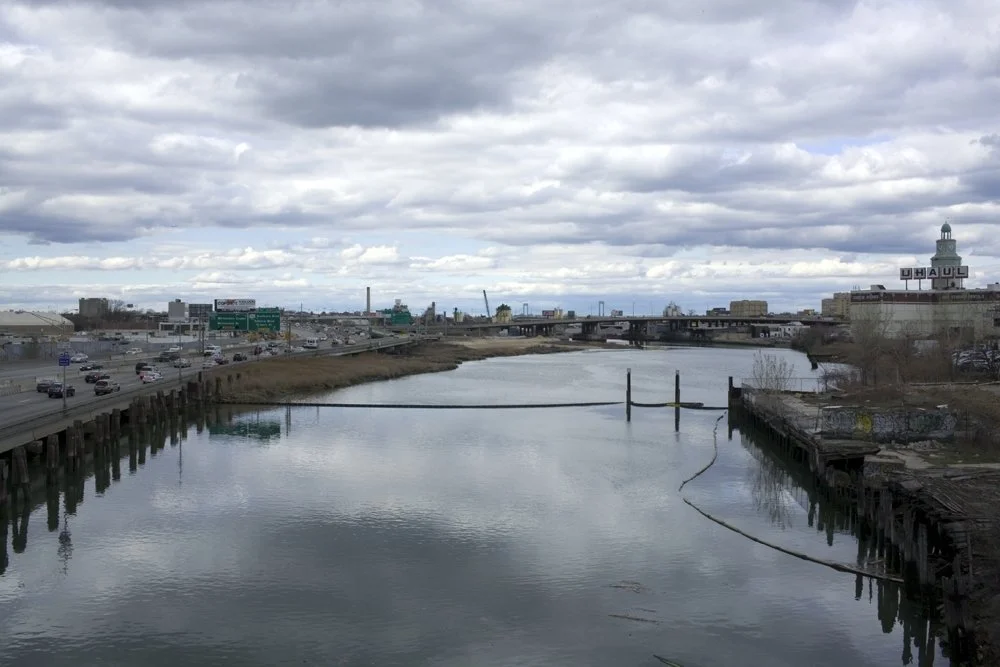
Local environmentalists are suing the city over a plan to de-pollute Flushing Creek that they worry could create its own problems. Wikimedia Commons photo by Atomische
By Ryan Schwach
Local environmentalists are suing the city over a plan to address sewage pollution in Flushing Creek that they worry will bring negative impacts for the Queens waterway.
Environmental groups filed a lawsuit against the City Department of Environmental Protection over a plan that aims to address decades worth of pollution in the water through a process of chlorination and dechlorination. However, the groups argue that the procedure could bring its own harm to the local environment and doesn’t actually solve the problem.
The groups, which include the local Guardians of Flushing Bay as well as Riverkeeper and Save the Sound, say the city did not complete a needed Environmental Impact Study for the project, which would have brought to light the potential detriments the plan could cause.
“DEP provided no analysis with respect to the impacts residual chlorine and disinfection byproducts may have on water quality and the aquatic environment of Flushing Creek or the air quality in the surrounding area,” alleged the lawsuit, which was filed in Queens Supreme Court on Feb. 15.
For decades, sewer overflow – which is a combination of untreated sewage, trash and pollutant-filled stormwater – has entered Flushing Creek, a narrow waterway between Flushing and Willets Point that outflows into Flushing Bay.
In 2014, the city DEP announced their plan – known as the Flushing Creek Combined Sewer Runoff Disinfection Facilities Project – to clean the water through a process that uses chlorine and other chemicals to treat the water outflow. The chlorine would then be taken out of the water before it gets into the creek so it doesn’t affect the local environment and wildlife.
However, there is research to suggest that the process could leave residual chemicals that have the potential to be harmful for aquatic life.
“The chlorine can then further react with other chemicals and things like that in the water and produce potentially harmful substances,” said Professor Brett Branco, a researcher at CUNY Brooklyn College who focuses his efforts on another Queens body of water, Jamaica Bay.
Back in 2014, groups pushed back at the plan, as did then Councilmember Peter Koo.
In October of last year, the DEP said that they believe the plan would not have any negative impacts. But, the city did not conduct the EIS, which the groups are suing to get completed.
“The State Environmental Quality Review Act requires DEP to address the potential significant adverse environmental impacts of this project,” said Dara Illowsky, New York staff attorney for Save the Sound. “Yet DEP disregarded the risks to water quality and aquatic life from residual chlorine and disinfection byproducts that will be discharged into Flushing Creek under its proposed plan.”
“DEP must complete an Environmental Impact Statement to examine these and other potential impacts, and also to consider alternatives that actually reduce [Combined Sewer Overflows] in Flushing Creek,” she added. “Additionally, an EIS would create an opportunity for the public to participate in the process."
The lawsuit also alleges that the study the city did for the project did not consider the potential harmful impacts of the chemicals on the environment, and didn’t take a “hard look” as required by state law.
“[The DEP] has not provided a reasoned elaboration for how it reached its conclusion that no significant adverse environmental impacts may result from the addition of chemicals to Flushing Creek, the safety and efficacy of which are, at best, debatable, without having considered this crucial analysis,” the lawsuit reads. “As DEP acknowledges, and scientific literature has documented, residual chlorine and disinfection byproducts can have chronic effects on aquatic organisms, even in tiny amounts.”
Rebecca Pryor, the executive director of the Guardians of Flushing Bay, said that the chlorination plan does not address the underlying issues with sewage overflow and other pollution that have long made Flushing Bay and Flushing Creek mostly unusable for locals.
"You're not reducing any of the raw sewage and trash flowing out of the system, you're just taking away the bacteria,” she told the Eagle. “If we're going to be coming up with expensive, long-term solutions, those solutions should actually address the root cause of the problem, and this one doesn't. It's more of a band aid approach.”
Pryor doesn’t think the true solution to the problem will be simple, or cheap, but necessary to clean the Flushing waterways, especially as thousands of more units of housing are built around it at Willets Point and Flushing proper.
“The reality of the pollution problem is it's like trying to empty a bathtub with a teaspoon while the faucets are on,” she said.
The ultimate solution, according to Pryor, is Renewable Rikers, a proposal to turn the notorious jail island into a hub for renewable energy that would also include an upgraded wastewater treatment plant.
However, as is the case with all of the plans for the future of Rikers Island, Renewable Rikers is largely up in the air as the city severely lags behind its own plan to close the jails complex.
“The best alternative is to put Renewable Rikers online and to actually, like, reroute the sewage to an updated wastewater treatment plant on a jail free Rikers Island,” Pryor said. “It has the potential to be a transformative solution.”
Both City Hall and the DEP directed the Eagle’s inquiries to the City Law Department, which said the city would review the lawsuit.