Citibank ordered to pay Queens woman $3.5 million for failing to stop fraud and hiding evidence
/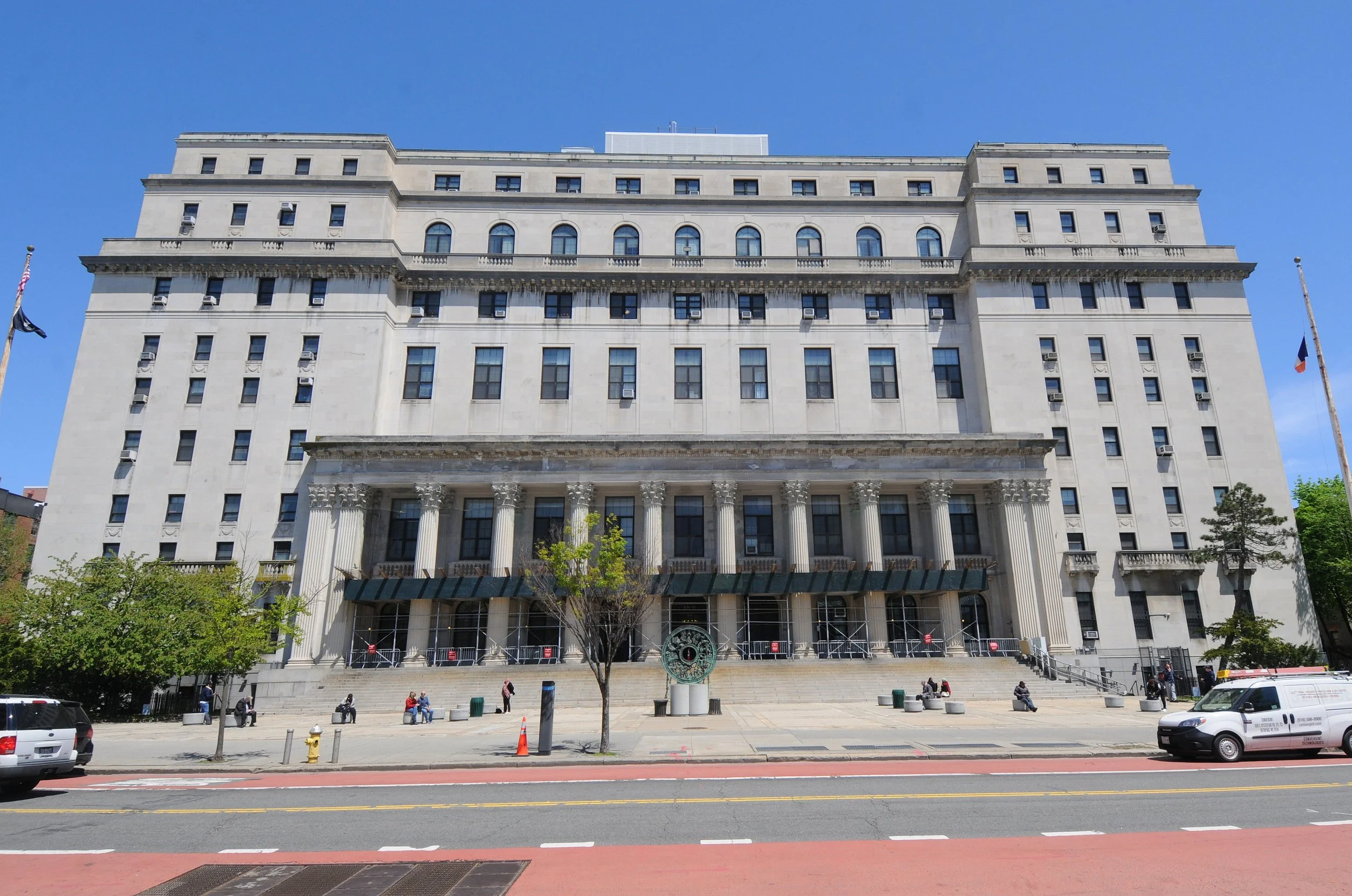
Citibank was ordered to pay a bedridden Queens woman $3.5 million for not investigating suspicious bank transfers and withholding evidence during court proceedings, court documents show. Eagle file photo by Walter Karling
By Noah Powelson
A Queens stroke victim is in the middle of a major legal battle against one the country’s largest financial institutions after a judge ordered the bank to pay millions for failing to prevent unauthorized bank transfers from her account.
A judge in the Queens Supreme Court, Civil Term recently ordered that 80-year-old Leileth Faye Graham should receive nearly $3.5 million from Citibank after the financial institution ignored their own safety protocols and hid evidence showing they were aware of illegal transfers from Graham’s account, court documents show.
Graham, whose health began failing after a stroke in 2020 that eventually left her legally blind, bedridden and incapacitated, had hundreds of thousands of dollars taken from her accounts without her permission by her guardian at the time.
According to court documents, a family member of Graham allegedly stole over $772,000 from her through several dozen out of state withdrawals and wire transfers. The family member used the funds to pay for vacations in Jamaica, buy property for her daughter and son-in-law in Washington D.C., and other expenses.
Graham’s niece, Ingrid Gayle, discovered her aunt was being neglected in 2023, found suspicious activity on her aunt’s bank account, and reported the case to Adult Protective Services. The courts appointed Gayle as Graham’s Temporary Guardian and Abraham S. Mazloumi as sole temporary property guardian to manage Graham’s estate.
Mazloumi then took legal actions against several parties allegedly involved or responsible for the theft, including Citibank for allowing the money transfers to take place without investigating.
Now-retired Queens Supreme Court Justice Bernice Siegal, in one of her last decisions of her tenure, found Citibank was also responsible for failing to follow their own security protocols and investigating the suspicious activity on Graham’s account. All of the unauthorized transfers occurred in Massachusetts, where Graham was never located since being bedridden, yet Citibank never investigated the discrepancies, according to court documents.
“Had Citibank properly followed its own security procedures on the Citibank accounts following the ATM withdrawals, the account would have been flagged, thereby preventing the subsequent wire transfers,” the decision reads.
Additionally, the court found that Citibank had stalled court proceedings by failing to produce witnesses, recordings and other evidence relevant to the case.
According to court documents, Citibank claimed they had "no knowledge or information" of the unauthorized transfers Feb. 15, 2024. Yet, on May 8, 2025, Citibank introduced various audio recordings to the court that captured the purported wire transfer authorizations, recordings which were not originally introduced during discovery.
“Despite possessing audio recordings of the purported wire transfer authorizations at issue
in this litigation, Citibank concealed these recordings for over fourteen months,” the decision reads. “These recordings were not peripheral documents—they were the most critical evidence bearing on the central issue of whether the wire transfers were authorized by [Graham] or fraudulently initiated.”
“Citibank's concealment caused substantial and irreparable prejudice to [Graham],” the court added.
On Dec. 19, 2025, the court ordered Citibank to pay just under $3.5 million to Graham, which includes the original stolen funds, treble damages and accrued interest.
Raymond Dowd, an attorney representing Graham’s estate, said Graham has still yet to receive any of the money from Citibank that the courts ordered. Graham has received some money through settlements with other individuals involved in the case, but Citibank is currently appealing the court order.
“Not one nickel,” Dowd told the Eagle. “They are blocking everything...they are clearly in contempt of court."
Dowd said they had moved to dismiss Citibank’s appeal in the Appellate Division, Second Department, and are currently waiting on the court’s decision.
Citibank declined to comment on the story.