Solitary confinement continues in state prisons despite court order, attys say
/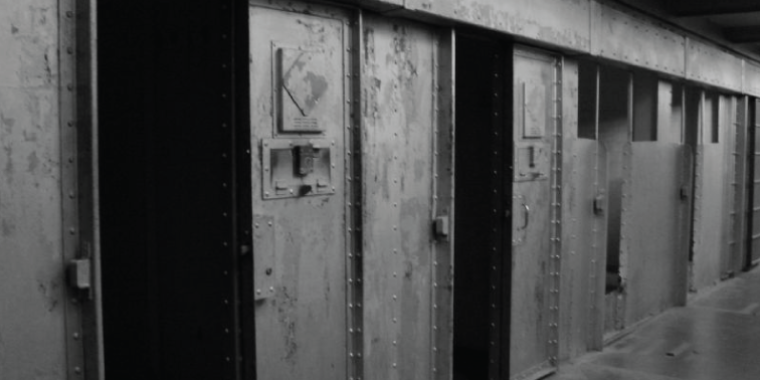
Prisoners remain in solitary confinement even after a judge ordered the state to comply with new laws, advocates say. photo via the new york state senate
By Noah Powelson
Prisoners continue to be illegally held in solitary confinement a month after a judge ordered prison officials to comply with state required prisoner protections, legal advocates said.
The Legal Aid Society issued an open letter to Judge Daniel L. Lynch of Albany Supreme Court on Tuesday, accusing the Department of Corrections and Community Supervision of failing to comply with the court orders.
Following a lawsuit filed by the Legal Aid Society, Lynch issued a preliminary injunction ordering DOCCS Commissioner Daniel Martuscello to rollback the emergency suspension of the HALT Act, which limits the length of time a person may be in segregated confinement.
But Legal Aid attorneys said their clients still face ongoing periods of confinement, some of whom remain locked in their cells for upwards of 22 hours a day. Additionally, Legal Aid argued that DOCCS has failed to meet court orders to disclose the current status of HALT enforcement at prisons across the state.
“DOCCS’s defiance of the preliminary injunction harms our clients and reflects a disregard for judicial oversight,” Antony Gemmell, supervising attorney with The Prisoners’ Rights Project at The Legal Aid Society, said in a statement. “The Department still won’t confirm where HALT is suspended, which safeguards are being denied, or when it will restore the protections the law requires. Every day DOCCS remains out of compliance, thousands of New Yorkers are subject to unlawful confinement. We will take whatever steps are necessary to hold DOCCS accountable and enforce the court’s order.”
Under the HALT Act, segregated confinement is prohibited from being used against a prisoner for more than 15 consecutive days or for 20 total days over a 60-day period.
There is an exception to this rule that allows for a suspension of HALT due to emergency across the state’s prisons, which Martuscello implemented during the correctional officers’ wildcat strike that broke out at the beginning of the year. When hundreds of state prison guards went on an illegal strike in January, Martuscello ordered an emergency suspension of the HALT Act, one of the prison guard union’s key demands. Martuscello initially announced that the suspension would last 90 days, but that period expired on June 6.
In April, the Legal Aid Society sued DOCCS on behalf of six incarcerated persons who allegedly had been subjected to daily, prolonged periods of solitary confinement during which they were unable to participate in state guaranteed outdoor recreation time and opportunities to interact with others.
Despite Governor Kathy Hochul officially announcing the wildcat strike’s end on March 10, legal advocates say the HALT Act remains suspended and many prisoners remain subjected to illegal confinement in their cells.
Currently, it’s difficult to see what extent HALT has or has not been reimplemented across state prisons.
"What we hear from our clients is that in many facilities they are kept in their cells in segregated confinement," Riley Evans, a staff attorney at the Legal Aid Society who works on the case, told the Eagle. "It seems by and large prisons remain very well locked down."
Part of the preliminary injunction requirements is that DOCCS provide detailed information on which facilities continue to operate under HALT’s emergency exception, disclose whether core protections have resumed and where, offer any facility-specific timelines for reinstating HALT and explain how prison staffing levels justify an emergency suspension of HALT.
A spokesperson for DOCCS said that the department has complied with the judge’s orders.
“The department has complied with the judge’s direction, submitted the requested information, and the court’s decision is pending,” a DOCCS spokesperson said.
But Legal Aid attorneys said the information submitted by DOCCS did not give an estimate when the suspension would end, nor whether minimum daily out-of-cell time has resumed in any prisons.
Without these guarantees, prisoners may face upwards of 22 hours confined in their cells without social interaction, legal resources or rehabilitation programming, the attorneys claim. These resources, Evans said, are necessary to maintain prisoners’ mental health, maintain a safe prison environment and properly prepare prisoners for reentry.
"People are being effectively locked away in their cells with no meaningful way to get out," Evan said. "They are not given access to programming to improve themselves and prepare for their release...We hear from many clients that this 'idle time' of essentially being left alone has led to a lot of tension in these facilities."
Legal Aid Attorneys have requested to meet with DOCCS leadership to demand additional information to evaluate compliance with the judge's orders. If a meeting does not occur, a Legal Aid spokesperson said, they intend to seek expedited discovery to assess the legitimacy of the state’s claims.
"We will evaluate whether we think any emergency declarations are not supported in the facts,” Evans said. “We suspect there will be many, but the first step for us is getting more information."