Queens tenant sues Zara Realty and attorneys for ‘weaponizing’ courts
/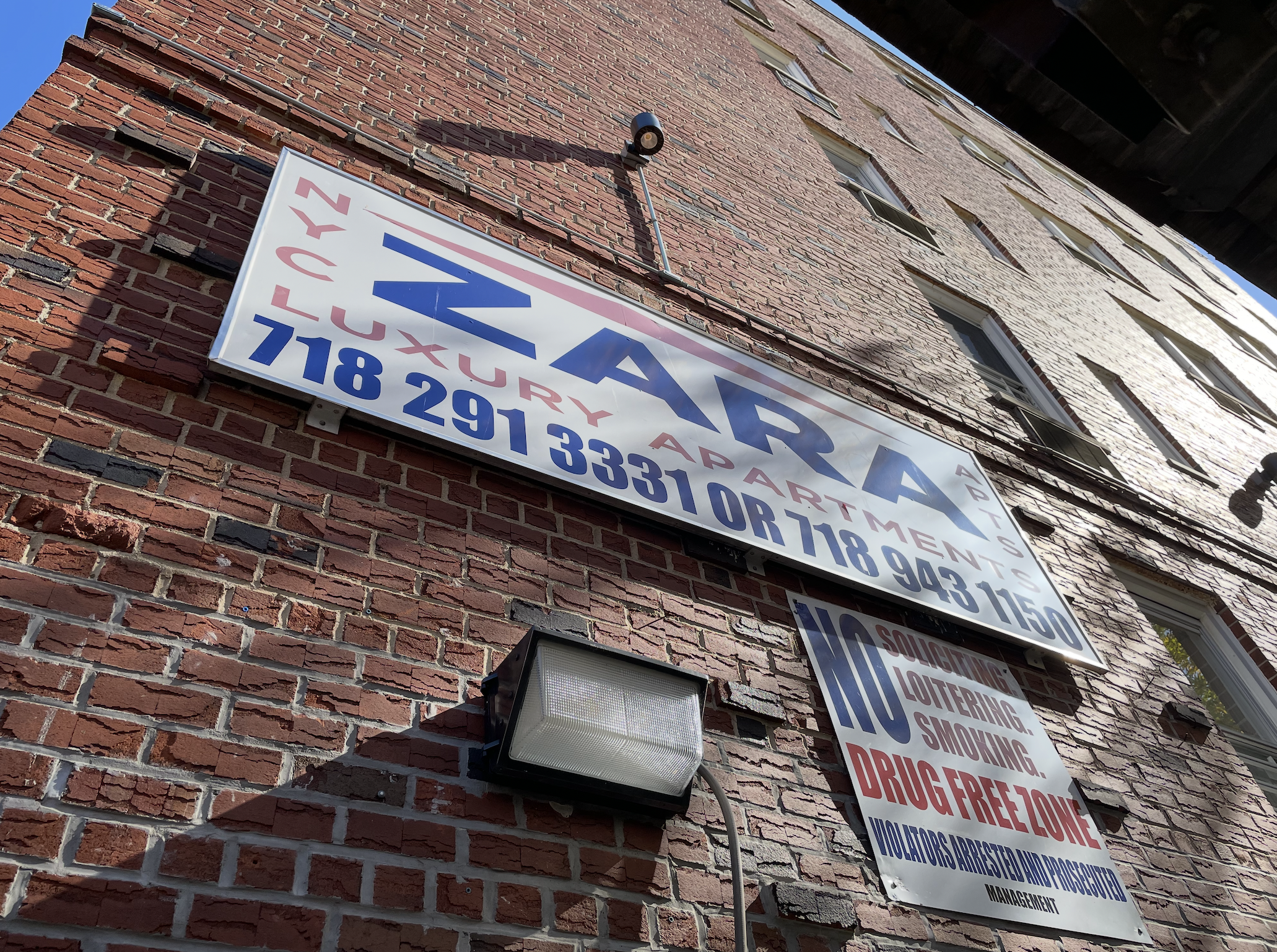
A Zara Realty tenant is suing her landlord and their attorneys for allegedly using the court system as a weapon against her, according to a new lawsuit. Eagle photo by Jacob Kaye
By Jacob Kaye
Saleha Sattar was initially excited to move into her apartment in Jamaica, fulfilling a dream she’d had after living for years with a family in Queens as she began to build her life in the United States.
But getting her foot in the door of the apartment building run by “notorious” landlord Zara Realty was not easy – and the eight years she’s lived there have been nothing short of a nightmare, according to a new lawsuit.
Sattar, a 57-year-old home health aide, has been sued four times over four years by Zara, primarily over rent payments that the landlords themselves have allegedly refused to collect since 2020. The lawsuits, which have been filed in two different Queens courts, all effectively concern the same uncollected rent payments.
Now, Sattar and her attorneys with the Legal Aid Society are suing Zara for “using the courts as a weapon” and also the landlord’s attorneys at Green & Cohen P.C. for rubber-stamping the lawsuits in alleged violation of the Fair Debt Collection Practices Act, which exists to prevent abusive debt collection practices.
Sattar said the steady stream of lawsuits and alleged intimidation from the landlord has left her unable to sleep and, at times, too embarrassed to face her neighbors and friends in the Bengali community, which she has come to rely on since moving to the U.S. without her husband or son in 2010.
Sattar is allegedly not alone. The lawsuit includes stories of three other tenants who say they were sued for the same demands in multiple courts almost simultaneously by Zara, which owns 45 apartment buildings throughout the immigrant-heavy neighborhoods of Jamaica, Hollis, Elmhurst and Flushing.
“Justice [in this case] means that any other immigrant tenant…in pursuit of the American Dream can live in peace,” Sattar told the Eagle through a translator.
While Zara, which has been accused by the state of violating rent stabilization laws twice in the past six years and is regularly accused by tenants of harassment, is a defendant in Sattar’s suit, the filing largely takes aim at Green & Cohen.
The suit claims that the firm has failed to respect the legal system by bringing suits to collect the same debts in multiple courts and “hiding key facts,” including the amount of money owed by tenants. Sattar’s attorneys at the Legal Aid Society accused Zara and Green & Cohen of demanding around four times as much money as Sattar actually owed.
“[Green & Cohen] is obviously gaming the system,” Elizabeth Lynch, an attorney and the director of economic equities with the Legal Aid Society, told the Eagle. “Zara and Green & Cohen are doing a form of lawfare, basically using the courts to harass tenants in Zara buildings.”
The suit claims that the attorneys at the three-person firm in Manhattan regularly allow “false claims to be peddled in court…abdicating their responsibility as attorneys and as officers of the legal system.”
The Legal Aid Society accused the firm of violating the Fair Debt Collection Practices Act and the state’s judiciary law. It accused both Green & Cohen and Zara of violating the state’s General Business Law and of negligence.
Green & Cohen did not respond to a request for comment.
Adam Leitman Bailey, an attorney representing Zara, denied the allegations made against the real estate firm in a statement to the Eagle.
“My client has three outstanding cases against the tenant, which includes that she owes over $100,000 in rent,” Leitman Bailey said. “The purpose of her lawsuits are to attempt to evade paying her rent. It is that simple. Period.”
“My clients have not yet read the complaint filed, as it has not been served upon them,” he added. “From what I was personally able to read…there is no cause of action or mention of how my client violated any law, therefore the case is guaranteed to be dismissed.”
The attorney went on to claim that the lawsuit was “riddled…with complete lies and inaccuracies and allegations that are unfounded.”
Sattar began looking for apartments in one of Zara’s 45 buildings in 2017. Trying to get a rent stabilized unit at 88-15 168th St. in Jamaica, she paid a $200 application fee and then three separate payments totaling over $12,400, which she believed to be deposits that Zara would deduct from her rent payments.
Even with the payments, Zara allegedly told Sattar that she didn’t make enough as a home health aide to move in without a guarantor. After finding a local community member to serve as her backer, Sattar signed a two-year lease for an apartment in the building and moved in.
With seven months of rent payments put down at the beginning of the lease, Sattar said she didn’t believe she’d be charged rent until February 2018. But in August 2017, Zara allegedly began taking the $1,399 monthly rent payments directly from Sattar’s bank account.
Sattar then filed a rent overcharge complaint with the state’s Division of Housing and Community Renewal in 2018 – the state eventually ruled in her favor – while continuing to pay her rent, according to the suit.
The conflict between the tenant and landlord came to a head in 2019, just before Sattar’s lease was set to expire. Though she had increased her monthly income since signing the first lease, Zara allegedly told her that she would still need a guarantor if she wanted to re-sign and stay in the apartment.
In February 2020, Zara sued Sattar in Queens’ Housing Court over the unsigned lease and began rejecting her rent payments, though she continued to attempt to make them, according to the suit filed this week.
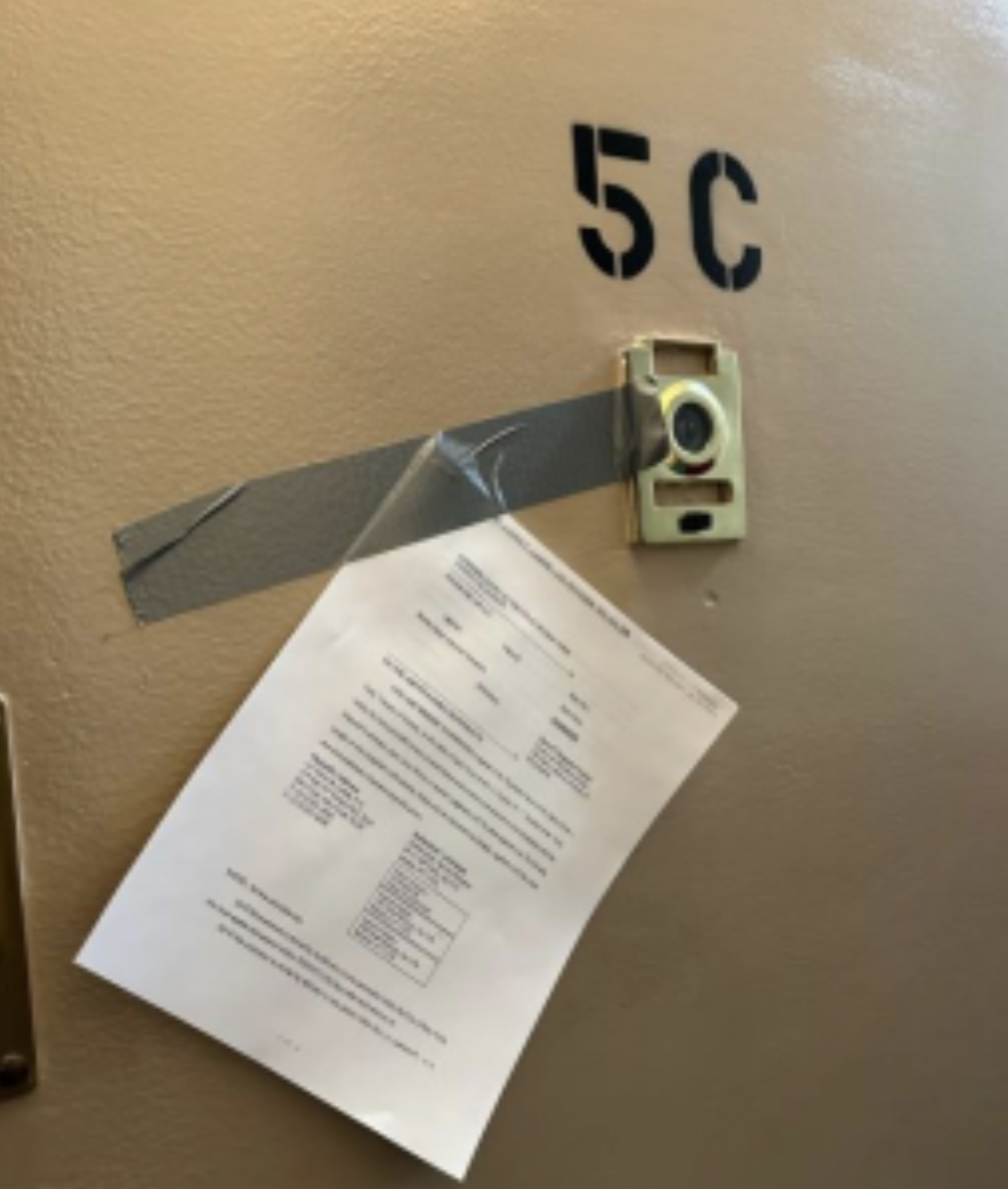
Zara Realty allegedly plastered its fourth lawsuit against Saleha Sattar on her door, embarrassing her, a new lawsuit alleges. Screenshot via lawsuit
While a motion to evict Sattar was pending in the case, Zara brought a second lawsuit against the tenant in Housing Court seeking rent payments from August 2021 through January 2023, the month the claim was filed.
But in the lawsuit brought against Zara this week, the Legal Aid Society said that Zara’s lawyers incorrectly demanded monthly rent payments of $1,460 despite the fact that “there was no lease in effect for this amount” and that DHCR had issued a rent reduction, lowering Sattar’s rent to $1,136.59 until the landlord corrected a series of problems with the Jamaica building.
When Sattar’s attorneys with the Legal Aid Society, which represented her in both Housing Court cases, told a judge that she was being sued twice in the same court, the 2023 case was stayed until the 2020 case’s resolution. The 2023 case remains ongoing.
The fight in the courts intensified a little over a year later, when over the course of a week, Zara began taping signs to Sattar’s apartment door, displaying in a chart the amount of rent they claimed she owed them, the lawsuit alleges.
Each day, Sattar would take the paper down only to find a new one plastered to her door the next morning, according to the suit.
At the end of the week, the landlords allegedly attached to her door a new lawsuit – this one brought in Queens Supreme Court, claiming Sattar owed them $80,557 in rent. The Legal Aid Society said the amount Sattar actually owed Zara was closer to $21,251.
The lawsuit claims the papers were “Zara’s version of the Scarlet Letter.”
As Sattar began dealing with the Supreme Court case, she was hit with a fourth lawsuit, this one brought in Housing Court. Filed by Green & Cohen on behalf of Zara, the case was a holdover proceeding and sought the same rent payments demanded in the Supreme Court case, plus payments for two additional months that had passed since the start of the trial court case, according to the new lawsuit.
One of the Housing Court cases against Sattar was closed in September when Zara agreed to allow the tenant to sign a new lease without a guarantor.
The remaining three court cases are ongoing.
Sattar said that despite the instability she’s felt living in the Jamaica apartment building, she doesn’t want to leave. She’s grown close to her neighbors and is active in the building’s tenant association, which was organized by local nonprofit Chhaya. The organization has worked closely with Sattar and other tenants in Zara buildings throughout Queens.
Maansi Shah, a tenant organizer for the nonprofit, told the Eagle that getting Zara tenants together has been important to address the alleged harassment from the real estate firm.
“They often prey on working-class, immigrant tenants, for many of whom English is not a first language, and then try to also use those same tactics to harass and kick out those tenants,” Shah said. “That rapid turnover is part of their business model.”
“The fact that Saleha and other tenants have been fighting back for so long is really a testament to how much organizing all of the Zara tenants have been doing for so many years,” Shah added.