Rikers commission tries to build support for jails’ closure despite ‘impossible’ deadline
/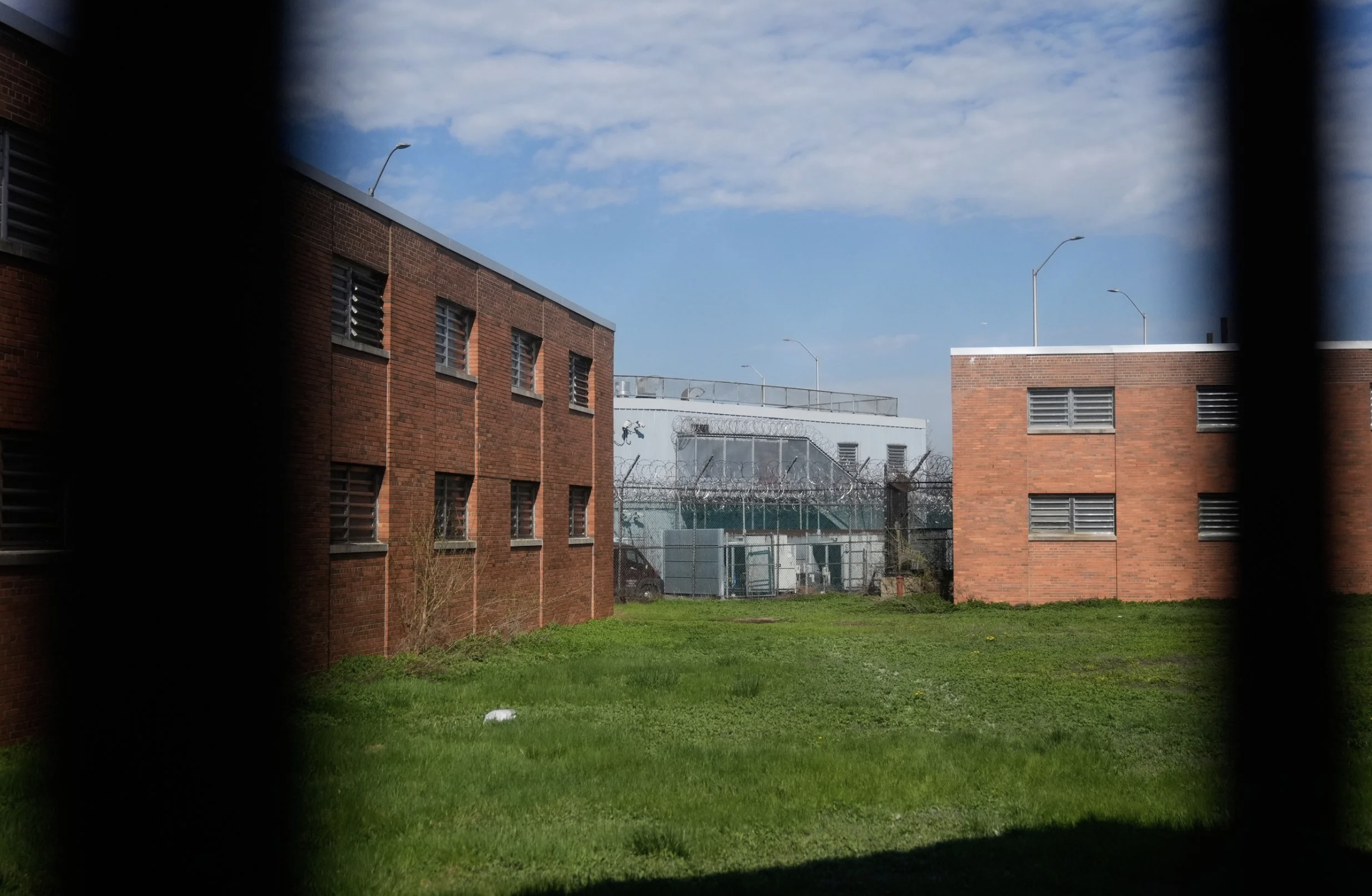
The Independent Rikers Commission released a series of videos in an attempt to rebuild public support for the effort to close Rikers Island’s jail complex, even if the legal deadline to do so is entirely out of reach. AP file photo by Seth Wenig
By Jacob Kaye
The Independent Rikers Commission is hoping to remind New Yorkers why the city first began to endeavor closing its dangerous jail complex, even if it has no shot at hitting the legally-mandated 2027 deadline to do so.
The commission, which crafted the plans to shutter Rikers Island and replace it with four borough-based jails, began to release a series of public service announcements this week, each of which details the plan to close Rikers and the city’s reasons for doing so.
The six-part video series, titled “So Many Reasons To Close Rikers,” aims to galvanize New Yorkers behind the effort to close Rikers, which is running years behind schedule after the borough-based facilities were hit with COVID-related construction delays and after former Mayor Eric Adams largely chose to slow-walk the plan he never truly supported.
One of the videos, each of which were produced by participants in the commission’s 2025 youth fellowship program, explores the cost of keeping Rikers open – it takes around $400,000 a year to keep someone incarcerated on the island. Another video details the plan to build the borough-based facilities, which will be placed near courthouses in Kew Gardens, Chinatown, Boerum Hill and Mott Haven. The third video released this week explains the violent and dangerous conditions that have plagued the jail complex since its creation over 100 years ago.
Together, the videos lay out the argument the commission first made nearly a decade ago, when it issued its first report calling on the city to close the jails, open the borough facilities and convert Rikers into a renewable energy hub.
“Rikers fails incarcerated people, correction officers, crime victims and the public alike,” Commission Chair and former Chief Judge of New York State Jonathan Lippman said in a statement.
“Many New Yorkers haven’t yet heard about the human, financial, and public safety costs of maintaining this dangerous, broken jail complex, or the thoughtful plan that exists to safely close it,” he added. “These videos help bring those realities into focus, giving everyone — from policymakers and elected officials to crime survivors and everyday New Yorkers — the information they need to understand why closing Rikers is essential to building a safer, more just city.”
While the videos may rally support behind the effort to close the jails, the city will still have to contend with the reality that Rikers’ replacements are far from being completed.
The first borough-based jail to be completed will be the one in Brooklyn, which is on pace to open in 2029, two years after the current deadline to close Rikers.
In April, the city completed the main structure of the Brooklyn facility, marking the first major milestone related to Rikers’ closure seen in years.
Mayor Zohran Mamdani and his Department of Correction commissioner, Stanley Richards, have vowed to restart the closure effort after it stalled under Adams, a longtime critic of the plan crafted by his predecessor, Mayor Bill de Blasio.
“What we're focused on is our commitment to make sure that we're doing everything in our power to close Rikers,” Richards said at the April topping off ceremony. “We have begun to demonstrate to New Yorkers and our partners that we are serious about closing Rikers…Today is another milestone.”
Both the facilities planned for the Bronx and Queens are expected to open in 2031. Construction of the Queens facility, which will be located behind Queens Borough Hall and Queens Criminal Court, has yet to begin. The 450-bed jail, which will be the only facility to house women and gender-expansive detainees, is the most expensive of all the borough-based facilities – it’s expected to cost $4 billion.
The Manhattan jail, which will be built in Chinatown, is not expected to open until 2032. The facility, which, at 300 feet high, will one day be the tallest jail in the world, has received the most pushback from its neighbors, who have unsuccessfully sued to stop its construction several times.
In all, the four borough-based jails are expected to cost taxpayers around $16 billion, twice the original estimated cost.
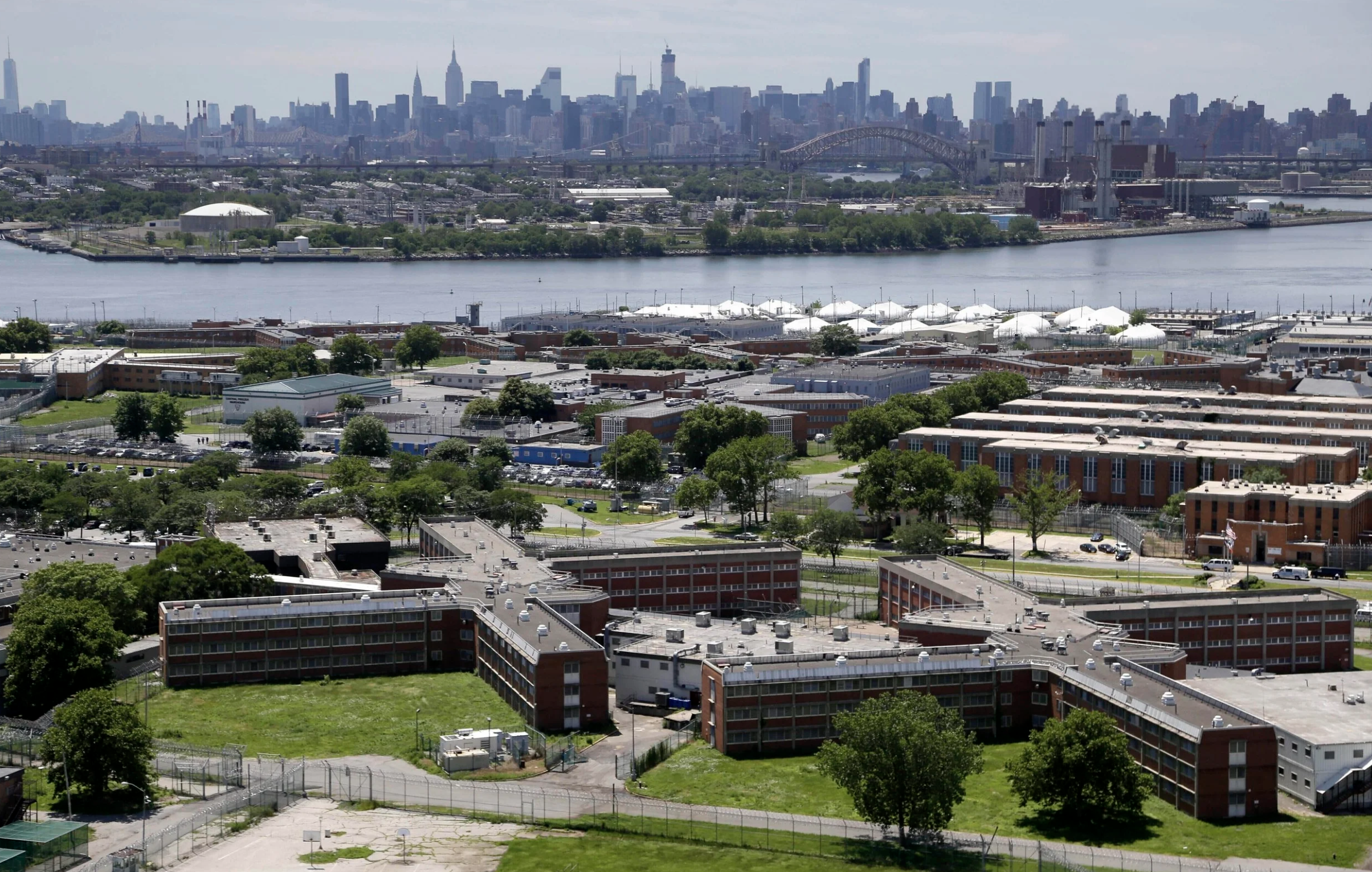
The Independent Rikers Commission released a series of videos explaining the details of the plan to close Rikers Island and the reasons for doing so. AP file photo by Seth Wenig
The city also faces a jail population problem. Altogether, the borough facilities will be able to hold around 4,400 detainees. However, there are currently around 6,500 detainees on Rikers Island.
Mamdani admitted that hitting the 2027 deadline was out of reach. In April, he said closing Rikers on time was “practically impossible” as a result of the “flouting of not just recommendations but requirements” of the closure plan by the Adams administration.
Since taking office, Mamdani has revived elements of the closure effort.
In April, the city opened a long-delayed jail ward at Bellevue Hospital, putting to use a 104-bed unit that had sat unused since early 2025. The outposted therapeutic housing unit, which treats detainees with serious physical illnesses, was proposed by the Independent Rikers Commission as a way to better treat detainees in need of intense medical care and as a way to help reduce Rikers’ population.
The mayor also recently appointed Dana Kaplan, a former senior advisor to the Independent Rikers Commission, to serve as the city’s first-ever “close Rikers czar.” The position was first proposed by the commission, arguing the city previously lacked an official dedicated to overseeing and coordinating the massive effort to close the jail complex.
In June, the Mamdani administration also facilitated the transfer of three Rikers facilities from the DOC to the Department of Citywide Administrative Services, which is leading the effort to turn Rikers into an island dedicated to renewable energy projects. Though city law effectively requires the DOC to make the transfers every six months ahead of the closure deadline, the transfers came to a halt under Adams. The transfers made in June were the first the city made since de Blasio left office in December 2021.
But even as the Mamdani administration attempts to comply with the closure plan, the 2027 deadline remains on the books.
In its 2025 updated plan to close the jails, the Independent Rikers Commission said the deadline should remain law “until an agreement can be reached between the City Council and the Administration on a path forward that assures progress toward closing Rikers on all necessary fronts.”
Such an agreement has yet to be reached.