Heavily amended criminal court transparency bill passed by lawmakers
/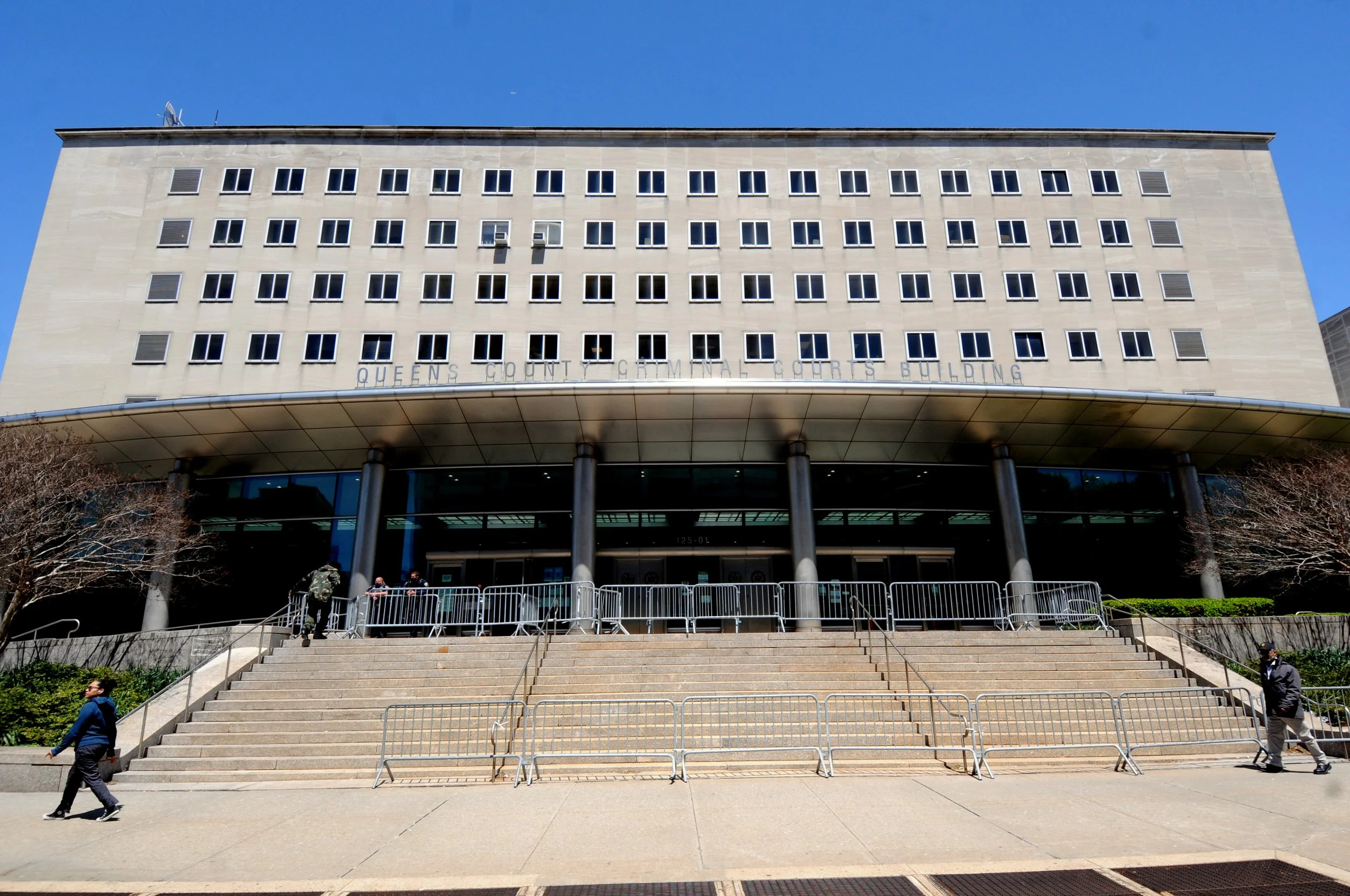
A bill that requires the courts to report on the feasibility of publishing suppression rulings rendered in criminal courts was passed by the state legislature. Eagle file photo by Walter Karling
By Noah Powelson
New York judges make thousands of decisions in their criminal cases every year, but only a small fraction are ever seen by the public.
But perhaps that won’t be the case for long.
A bill passed by the state legislature on Tuesday offers a small first step into shedding light on how judges make important decisions that affect every day New Yorkers.
The New York legislature passed a bill on Tuesday that would require the state’s courts to compile a report determining the feasibility and potential benefits of judges publishing their decisions on suppression rulings, which interpret the constitution as it applies to police power, rendered in criminal courts.
The bill, dubbed the “Criminal Court Opinion Transparency Act” and sponsored by Queens State Senator Michael Gianaris, was heavily amended from its original version, which would have required judges to immediately publish their decisions.
Instead, the bill requires the courts to study the benefits of publishing suppression rulings in criminal cases, evaluate the best ways to collect and publish such decisions, determine the resources required and report all findings to the governor and the legislature.
The bill now heads to Governor Kathy Hochul’s desk.
Government watchdog groups Scrutinize & Reinvent Albany, which have long called for further transparency in New York courts, praised the passage of the Criminal Court Opinion Transparency Act and called on the governor to swiftly sign it into law.
Oded Oren, executive director of Scrutinize, said the bill was a good first step in improving court transparency. According to Scrutinize data, only 0.5 percent to 6 percent of all written criminal court decisions in New York are published.
“Right now, these decisions are kept inaccessible to New Yorkers, despite being written and easily publishable,” Oren said in a statement.
“We expect the court system's report to recommend a viable, cost-effective path to publishing the estimated 2,000 suppression decisions written each year,” Oren added.
The final version of the bill was changed in major ways from its introduction in the 2024 legislative session. In its original form, the Criminal Court Opinion Transparency Act would have required the state to publish criminal court opinions on motions to exclude expert testimony, dismiss charges, suppress evidence, omnibus motions and others.
The New York State Senate passed the original version of the bill in a 42 to 18 vote in 2024, but it ultimately died in the Assembly.
Under New York State law, judges have discretion over which opinions they choose to or not to publish, and there’s numerous reasons for why a judge would do either. Judges often publish more decisions when they are overseeing a case that receives major media attention and higher public scrutiny.
Justice Juan Merchan, for example, ranked in the top 10 of judges in 2024 to publish decisions, according to Scrutinize. He published 11 decisions that year, but all of the decisions came from President Donald Trump’s criminal case for falsifying business records, which Merchan oversaw.
Advocate groups like Scrutinize argue publishing decisions on criminal cases could help increase transparency and trust in the courts, while also giving the public more knowledge of the judges they vote for when they are up for reelection.
Court officials previously opposed the original form of the bill, claiming it would be a bureaucratic and cost ineffective nightmare that would risk interfering with state laws that require certain court documents to be sealed.
In a Freedom of Information Law request filed and later published by Scrutinize, the Office of Court Administration estimated it would have cost the state an estimated $68 million a year to hire new staff and attorneys to publish the number of decisions the original bill called for.
OCA also said publishing criminal decisions risked interfering with the Clean Slate Act, a law passed in 2024 that allows for the automatic sealing of criminal records.
“While the Unified Court System encourages judges to publish cases of interest and supports transparency, the bill as drafted poses immense operational burdens far beyond the ability of the Unified Court System to handle, puts the objectives of the recent Clean Slate legislation at risk, and would divert scarce resources (such as court reporters) from work essential to the timely provision of justice," a spokesperson for the OCA told the Eagle at the time.
OCA did not respond to an Eagle inquiry regarding the amended version of the bill that was passed.