
Lawmakers move to speed up mental competency rulings for detained defendants
/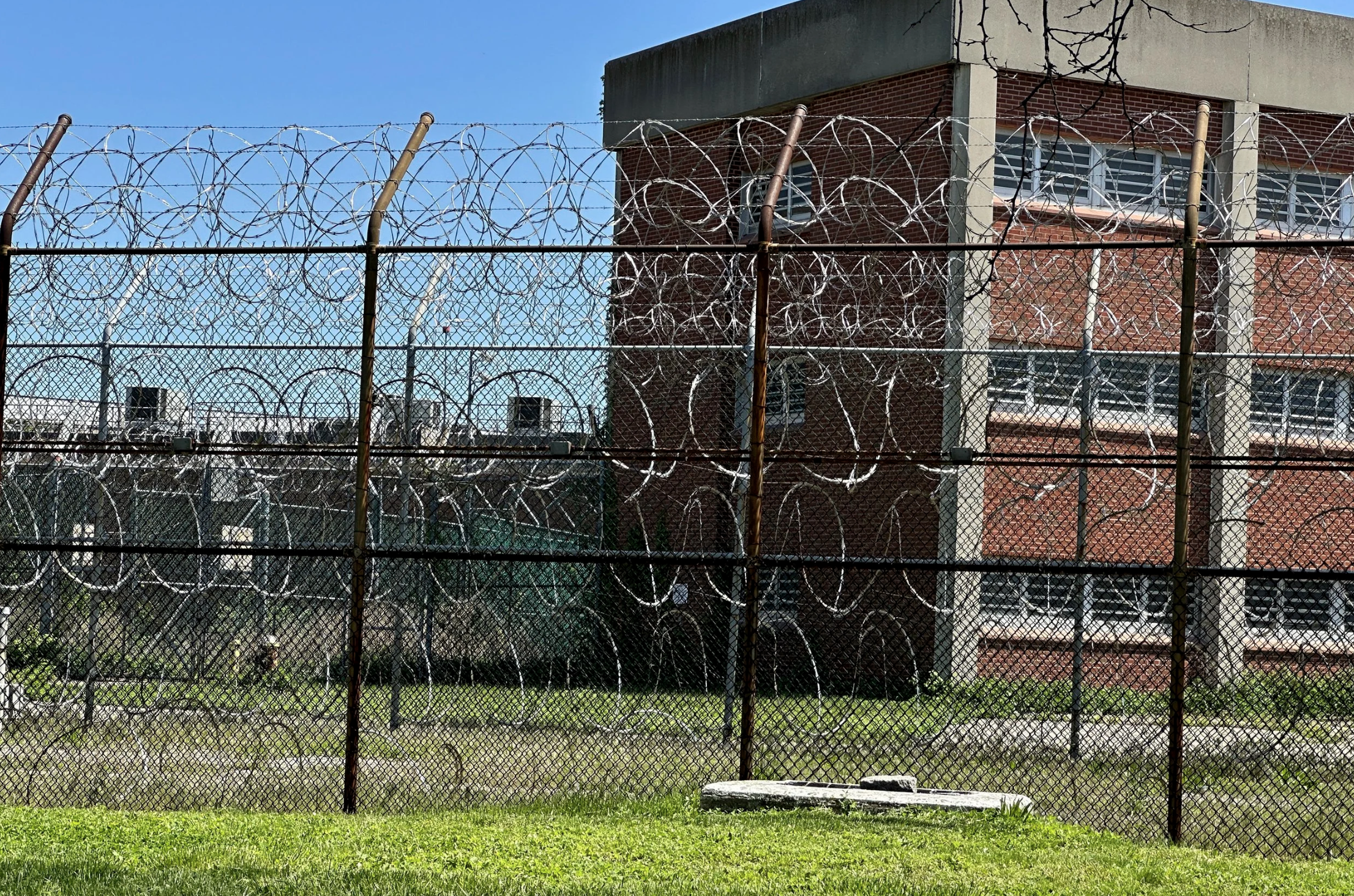
A bill that issues new rules and procedures in determining a defendant’s ability to stand trial passed the state legislature on Friday. AP file photo by Ted Shaffrey
By Noah Powelson
Every year, hundreds of detainees determined unfit to stand trial sit in New York jails waiting to be transferred to a mental health facility, sometimes for months.
But a piece of legislation recently passed by the state legislature last week hopes to make it so those cases move ahead quicker.
New York lawmakers on Friday sent a bill to Governor Kathy Hochul’s desk that includes several major reforms to how the courts determine if defendants are capable of standing trial. The reforms, sponsored by State Senator Samra Brouk, would establish new definitions and policies around “restoration services” for the courts to follow when dealing with mentally incapacitated defendants.
Restoration services, as the bill defines it, are not meant to restore a defendant’s disability or underlying illness. Rather, the goal of the services is to improve a defendant’s competency to the degree that they can understand the charges against them so they can either stand trial, plead guilty or have the charge dismissed.
Restoration services can work in tandem with mental health treatment, but can also include programs like mock trials or classroom-based instruction to help defendants understand the legal situation they face.
A defendant's mental competency is first established when a judge orders what’s known as a 730 exam, where two psychiatrists examine the defendant and determine whether they are fit to stand trial. If they’re found unfit to stand trial, the Office of Mental Health designates a hospital where the person will be treated and puts them on a waitlist, a process that can take months as hospitals struggle to find empty beds.
As part of the reform passed on Friday, each psychiatric examiner is required to submit a report stating whether they believe restoration services have a strong probability of restoring the defendant’s competency to stand trial in a reasonable time. If that determination is made, then the judge must issue an order committing the defendant to an appropriate facility for no more than 90 days.
In cases where restoration services are determined to be ineffective in restoring a defendant’s competency, the defendant’s case will be referred to the county’s Civil Supreme Court for a hearing to determine if hospitalization or involuntary commitment is necessary.
Supporters of the bill say it’s meant to clarify the role of the courts and medical examiners in determining if someone is competent to stand trial, and provide mentally incapacitated defendants a more humane path to participate in their cases that will hopefully shorten the time they spend detained.
The reform received praise from the public defender group The Legal Aid Society following its passage. The firm said the bill was a logical step to prevent mentally ill people from languishing behind bars for months as they wait for their competency hearings.
“This legislation is a first step toward creating a more rational, humane, and constitutionally sound framework for New Yorkers who need services but are languishing in our jails,” a spokesperson for LAS said in a statement. “People in need of care should not remain trapped in a dangerous, costly, and ineffective carceral system. We look forward to continued reforms that move New York away from relying on jails and prisons as the default response to behavioral health needs that are best addressed through community-based services.”
A spokesperson for Governor Kathy Hochul’s office said the governor was reviewing the legislation, but did not comment on whether she intends to sign it.
The bill will be enacted 90 days after it’s signed into law, should Hochul sign it.
The legislation promises to offer faster and more humane ways for incapacitated defendants to proceed with their cases and avoid overly lengthy incarceration while waiting for their hearings, an issue that prison advocates say is rife across state jails.
In 2025, the Legal Aid Society brought a class action lawsuit accusing the city of violating detainees’ due process rights by failing to move them from Rikers Island to a psychiatric facility when ordered to do so by a judge.
According to the suit, the average wait time in 2024 was 81 days, but nearly a dozen people over the past two years waited more than six months, including one person whose treatment was delayed for nine months.
In 2024, 130 New Yorkers waited more than 100 days on Rikers Island before being moved to a state facility for competency restoration.
As treatment gets delayed, so too do criminal cases, and mentally ill defendants can be stuck in an environment that risks exasperating their symptoms, the suit claimed.
“When you have a client and they've been committed to OMH for a competency restoration, and then they're just stuck at Rikers for four, or five, or six months, sometimes longer, there's absolutely nothing we can do about it,” Shona Hemmady, a staff attorney in the Legal Aid Society’s Special Litigation Unit, told the Eagle at the time the lawsuit was filed. “It’s a great injustice.”
Of the 59 people who died in Department of Correction custody since 2021, about half had mental health needs, including five detainees who required competency restoration while behind bars.