
Lawmakers demand details about Rikers grievance overhaul
/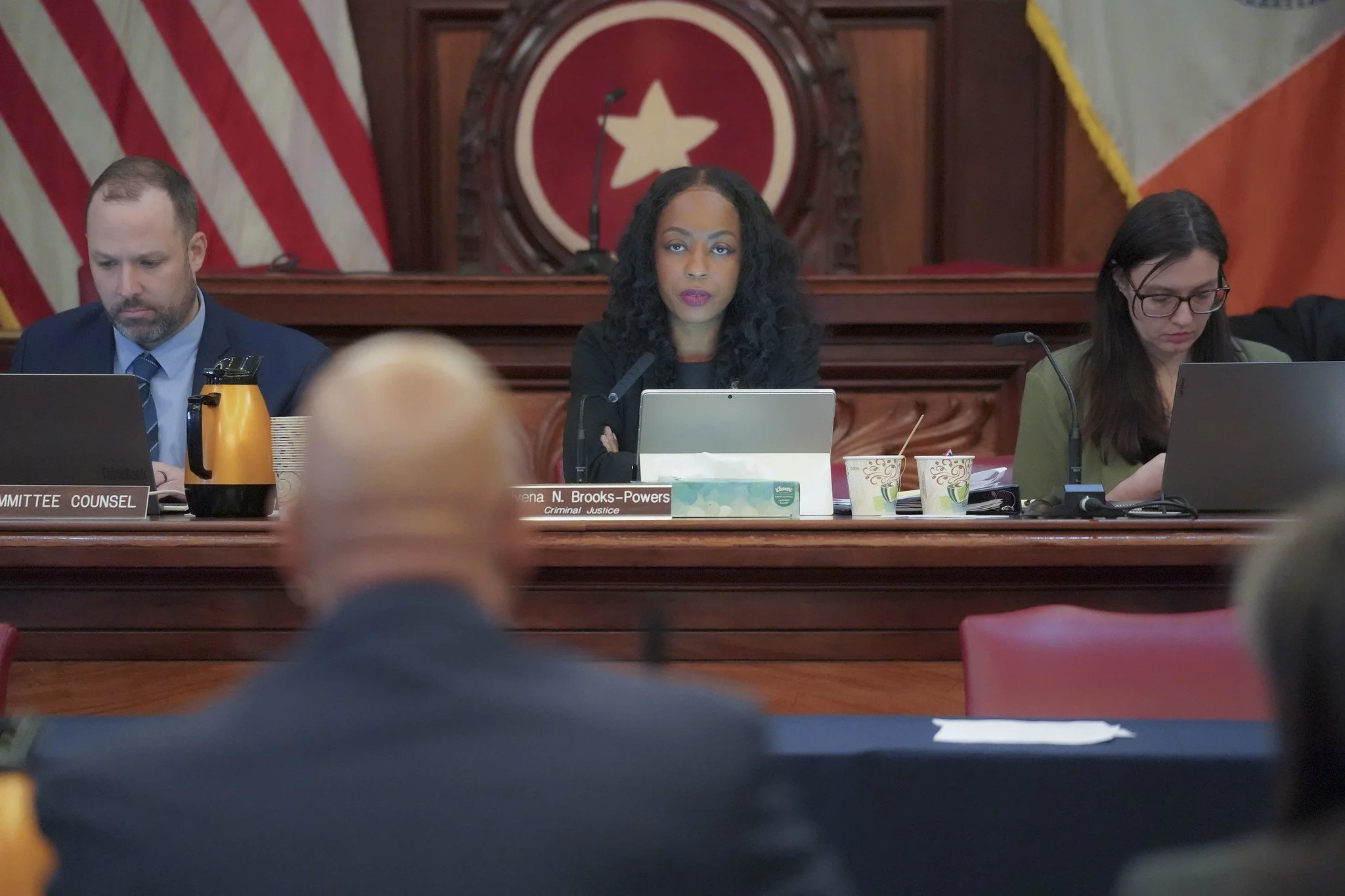
City Councilmember Selvena Brooks-Powers demanded in a letter that the Department of Correction turn over information about its updated grievance procedures this month. File photo by Gerardo Romo / NYC Council Media Unit
By Jacob Kaye
The City Council this week demanded the Department of Correction answer long-ignored questions about how it's changed – or hasn’t changed – its often criticized process for fielding and addressing complaints detainees make about conditions on Rikers Island.
City Councilmember Selvena Brooks-Powers, who chairs the Council’s Committee on Criminal Justice, pressed Department of Correction Commissioner Stanley Richards to turn over information about the DOC’s grievance process, which has been described by detainees, their families, attorneys and lawmakers as a black hole.
In a letter shared exclusively with the Eagle, Brooks-Powers gave the DOC until May 15 to share information about changes to its grievance process and publish them publicly online, something Richards’ predecessor promised twice before to do but never followed through on.
While the lawmaker acknowledged that Richards inherited the problems with the grievance process and the deadlines blown by former Commissioner Lynelle Maginley-Liddie, she said she expects the new administration to get the Council information about the grievance process quickly.
“For the last several years, the Council has been trying to compel the Department of Correction to provide an updated grievance process,” Brooks-Powers said in an interview with the Eagle. “But they have kicked the can down the way.”
In some ways, the process by which detainees make complaints about conditions on Rikers Island is similar to the way New Yorkers outside the jails can file complaints about city life. They call 311.
Detainees can call to make complaints or requests about food, clothing or medical care. Their loved ones can also call to make complaints about a detainee’s access to school, treatment by staff or potential wrongdoings committed behind bars.
Last year, over 40,000 calls – or over 109 calls per day on average – were made to 311 regarding conditions in the dangerous jail complex where over 100 people have died in the past decade.
Unlike other 311 complaints, calls regarding Rikers aren’t diverted to the relevant agency and published in a public, online record system that shows whether or not the issue has been addressed.
Instead, they are sent in an online form directly to the commissioner’s office, where advocates say they often sit ignored or are routed through a convoluted and opaque process that doesn’t allow the aggrieved person to see where their complaint stands.
“There's some kind of breakdown here in the system,” City Councilmember Sandy Nurse said during a 2024 hearing on the grievance process. “In design and practice the DOC’s grievance process leaves many vulnerable individuals who have not been convicted of a crime to suffer in an isolated environment without an adequate opportunity to have their voice heard.”
THE CITY reported extensively on the myriad issues facing the grievance process in March.
The directive guiding the DOC’s grievance process was first put into practice in 2018. It detailed how complaints were categorized, what complaints should get responses, and outlined the appeals process.
During an April 2024 City Council hearing, DOC officials said that they were in the process of revising the grievance directive.
A month later, Maginley-Liddie told lawmakers that they “should be able to give something to Council in the coming weeks” regarding the updated procedures.
But no plan was turned over.
Then in December 2025, DOC officials said they would need another two months to turn over information about the grievance directive to the Council. Again, nothing came.
Brooks-Powers said she’s hoping the new administration, which, under Mayor Zohran Mamdani, has vowed to reform Rikers Island, will follow through on finally updating the directive, even if it's only been a few months since they first took office.
“We understand that we have a new administration right now, but we still need to ensure that those in custody, advocates, families of those in custody, and anyone engaging with the criminal justice system have the ability to understand what the process is to file a grievance and to know that there will be a response to those submissions,” Brooks-Powers said.
The lawmaker’s letter was also addressed to Nicholas Deml, who was appointed by a federal judge to serve as the Rikers’ remediation manager, tasked with quelling the longstanding violence and dysfunction within the city’s jail system.
“The grievance process is at the core of safety and making sure that those who are in custody, those who are behind a wall, have a clear process to be able to file complaints,” Brooks-Powers said. “Because one is incarcerated or because one works in correction, they did not remove their right to have access to a fair process should something come up that is of concern.”
After the publication of this story, a spokesperson for the DOC said the agency was “reviewing the letter and will provide council with an update on the 311 grievance process.”
Update: This story was updated at 5:39 p.m. on May 7 with a statement from the Department of Correction.