Prison watchdog agency lacks enough commissioners to fulfill duties
/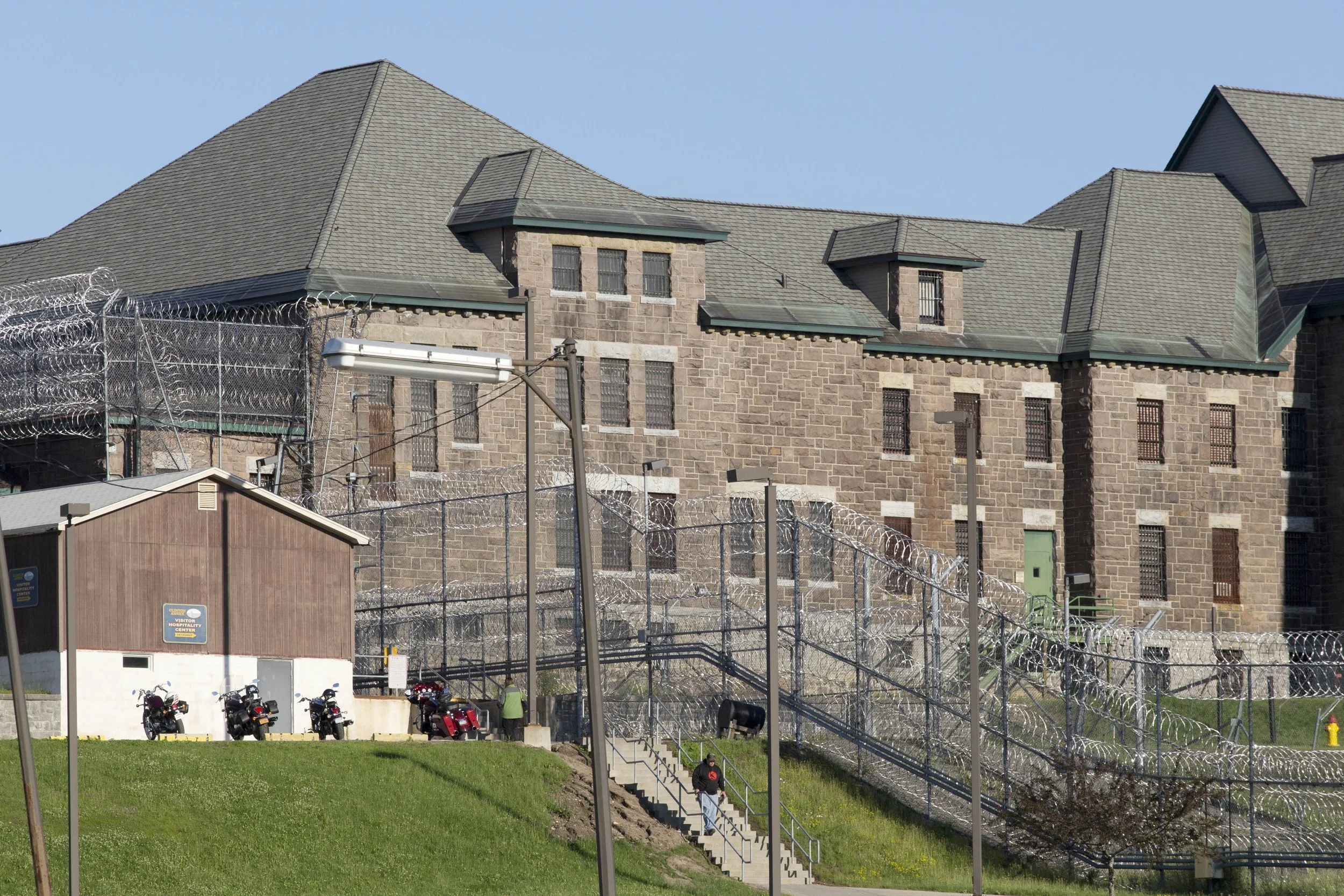
The State Commission of Correction received their expanded board on Saturday, but currently lacks the members necessary to enforce their powers. AP file photo by Mark Lennihan.
By Noah Powelson
While an expansion of the state’s prison oversight agency went into effect over the weekend, the agency cannot function until the governor and legislature appoint new board members, advocates warned this week.
The State Commission of Correction received an expanded number of commissioners on Saturday, as part of a series of reforms detailed in the state’s Prison Reform Omnibus bill. The commission’s board was expanded from three commissioners to five, one of which must be a formerly incarcerated person.
However, the SCOC only has two sitting commissioners after their former chair retired at the end of the previous year. With only two of their legally required five commissioners currently appointed, the SCOC is without a quorum, leaving the agency with little ability to employ its powers until a majority board is established.
Advocate groups, including the Katal Center for Equity, Health, and Justice, called on Governor Kathy Hochul to appoint new commissioners, which must also be confirmed by the State Senate, as soon as possible. The commission’s next meeting is scheduled for May 27.
“As jails and prisons across New York face crises and dangerous conditions, it is unconscionable that New York's independent watchdog agency is currently unable to function,” Yonah Zeitz, advocacy director of the Katal Center, said in a statement. “With three out of the five commissioner seats vacant and without a quorum, Gov. Hochul must swiftly appoint new commissioners to ensure the agency will no longer sit idly by while incarcerated people face violence and abuse behind bars.”
A spokesperson for the governor’s office said they are currently working on identifying potential candidates for the commission.
“Governor Hochul has been clear that the safety of all staff and incarcerated individuals is a top priority, which is why she has implemented fundamental, systemwide changes to ensure the State's correction system prioritizes safety, accountability and transparency across all facilities,” the spokesperson said. “This administration began working diligently to identify candidates for the Commission prior to the effective date for the new law, and will continue to coordinate with the Senate to schedule confirmation hearings to fill these new roles."
The commission’s expansion was part of the Prison Reform Omnibus bill that passed last year, a package of bills meant to reform the state’s troubled prisons following the high-profile deaths of Robert Brooks and Messiah Nantwi, who were both killed inside state correctional facilities. The bill, which was sponsored by Queens and Brooklyn State Senator Julia Salazar, created a slew of new transparency requirements for reporting the deaths of incarcerated persons, and expanded the ability of prison oversight agencies to conduct investigations into state correctional facilities.
Under the legislation, the SCOC received new investigation requirements and an expanded board. One of the new members must be a formerly incarcerated person and another commissioner must be a professional with experience in working with or assisting incarcerated persons, such as an indigent criminal defense attorney or healthcare professional.
Currently, the commission does not have a formerly incarcerated person sitting on the board.
“New York prisons have had a systemic pattern of violence and abuse for decades, with little to no oversight,” Salazar said in a statement. “The SCOC was designed to provide oversight, but has not had the capacity or diverse expertise to do so. The Prison Reform Omnibus Bill rightfully expanded and diversified the Commission to address this problem. Current vacancies must be quickly filled with reform-oriented commissioners so that the SCOC can more adequately fulfill its constitutional mandate of ensuring all local jails and state prisons are safe, stable, and humane.”