
After delays, new czar sees opening to revive Rikers closure push
/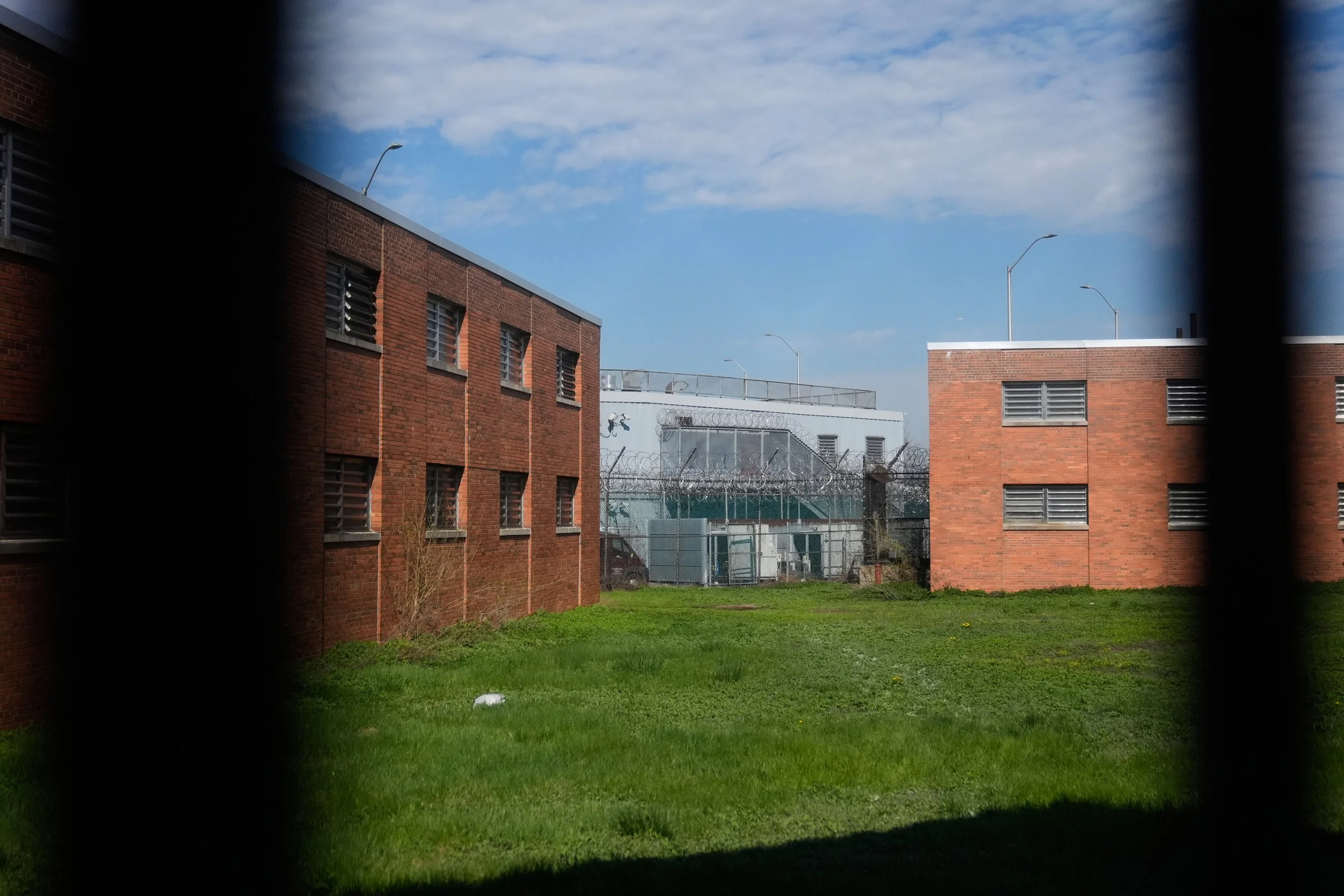
The city’s new close Rikers czar recently sat down with the Eagle to discuss the role and the city’s plan to shutter the jail complex. AP file photo by Seth Wenig
By Jacob Kaye
Dana Kaplan will have a lot on her plate when she officially begins her job as the city’s first-ever close Rikers czar this month.
The City Hall alum, who, under former Mayor Bill de Blasio, helped craft the city’s first plan to shut Rikers Island and replace it with four borough-based jails, will soon be in charge of coordinating the city’s efforts to close the dangerous jail complex, which has fallen years behind schedule. Mayor Zohran Mamdani, who has vowed to recommit the city to the closure plan, tapped Kaplan last month to get the plan back on track.
It won’t be easy.
The first of the four borough-based jails won’t be completed until 2029, two years after the current deadline to close Rikers. The other three jails won’t be completed in full until 2032. And when they open, they’ll have the capacity to together hold 4,400 detainees, more than 2,000 detainees fewer than the current population on Rikers Island.
As Kaplan works toward Rikers’ closure, she’ll do so amid a restructuring of who has power over the city’s jail system. Beyond a new mayor and new Department of Correction commissioner, a federal judge recently appointed a “remediation manager” to take control of major decisions previously made by the DOC in an effort to tamp down violent conditions in the jails.
Nonetheless, Kaplan is optimistic that the city is on a new path to close Rikers, despite the delays and dysfunction that have previously been associated with the plan.
Kaplan recently sat down with the Eagle to discuss her new role, the challenges the city faces in closing the jails on Rikers, the timeline for closing them, and more.
The Eagle: How would you describe your overall mission as the city’s first close Rikers czar?
Dana Kaplan: I would say that I was appointed because my job is to make sure that the city delivers on closing Rikers Island. We want to ensure that this happens. I'm going to be coordinating across agencies to reduce the jail’s population, working with the Department of Correction and the Department of Design and Construction to advance the borough-based facilities and plan for that transition. I'm also focused on improving conditions now, but it's a focus on a comprehensive plan, because this is such a multifaceted effort.
Eagle: Having helped craft the original plan to close Rikers and having previously had a role in City Hall to help achieve that plan, how has it felt over these past four years to have watched the Adams administration sort of slow-walk or, in some cases, ignore the plan altogether?
DK: I think I shared the frustration of many to see the lack of urgency and leadership from the last administration on the closure of Rikers. I do want to acknowledge that there were many dedicated civil servants working within the agencies themselves to advance the closure of Rikers Island, but what was lacking was a real commitment at the highest level from City Hall. And unfortunately, I think the current status of the plan, in terms of the length of delays, is an outgrowth of that. My mission really is to return that singular focus at a City Hall level, making sure that Rikers Island closes.
Eagle: Now that you're back in City Hall, is there one thing, or a couple of things that you hope to address right away, or that you think the city could address right away to get the plan back on track?
DK: One thing I was excited about before I took this position was seeing that the Bellevue therapeutic units finally opened. That project has been languishing for years, and the fact that within the first 100 days of the administration, we saw 100 beds open at Bellevue to move 100 people off of Rikers who have acute medical needs is an indicator of progress. That's certainly heartening. When I officially take the helm, the first question that I'll be asking alongside my other city partners is, what is the possible fastest timeline that we can do to ensure the closure of Rikers, and how do we move ahead with that? But I'm also going to be really focused on how we can safely reduce the jail’s population. There are a number of different strategies and opportunities to do that, all of which I think will have a beneficial impact on community safety. That's another mission, and part of this plan that I’m really excited to take on.

Dana Kaplan will soon begin her role as the city’s close Rikers czar. Photo via Kaplan/LinkedIn
Eagle: The Independent Rikers Commission, which you helped advise, said in their most recent report that the 2027 deadline to close Rikers, which is enshrined in city law, should remain in place until an agreement between the City Council and the mayoral administration on a path to close the jail complex is reached. Is the city working toward an agreement?
DK: It was the City Council that originally passed the legislation that mandated the legal closure of Rikers Island by 2027, so, of course, the City Council is going to be a huge part of that discussion. When I start my position, we are going to work to determine what the timeline is. And we will absolutely be working with the City Council to figure out what that might mean and any type of changes that might have to happen as a result.
Eagle: Last week, Department of Correction Commissioner Stanley Richards said that he wasn’t focused on a particular deadline when asked about establishing a new date to close Rikers. But it seems like you're saying that the City Council should pass a law that includes a new deadline. Is that correct?
DK: It would be premature for me to suggest what the Council should do in terms of any legislative change. I think that the mayor's office and myself will have to work with the City Council on any changes to the current plans to close Rikers Island.
Eagle: We have the new DOC commissioner, yourself and Nicholas Deml, who was recently appointed by a judge to serve as the remediation manager. In his role, Deml has authority over a lot of what goes on at Rikers Island. Assuming there is some overlap in your work, the commissioner’s work, and Deml’s work, who has the final say over the effort to close Rikers Island? And what is the extent of your power and authority in your role?
DK: One of the things that is exciting about this moment in city government is we all share a common vision. That common vision is certainly about the closure of Rikers Island, but also about how do we fundamentally improve the conditions of New York City's jail system to make them safer for people who are incarcerated there and those that work there? I know that the remediation manager will be a partner to myself in this work. I obviously answer to the mayor and the remediation manager is responsive to the federal courts, but we are full partners in this effort, and I think it'll be a productive partnership. Likewise, I've known Commissioner Richards for years, and I know his commitment to closing Rikers Island. This job takes all of us. My role is specifically to coordinate amongst all of these different pieces. And the reason that I think I will be able to be effective at that is that we have such strong partners who are responsible for all of the component pieces.
Eagle: As the city got further and further behind on its plan to close Rikers over these past four years, I’ve noticed more New Yorkers advocating to keep it open. I think some New Yorkers believe it’s no longer the city’s plan to build the borough-based jails and I think others believe there is a new window to advocate against the original plan. What’s your message to New Yorkers who think the city should keep Rikers open?
DK: We didn't come lightly to the decision that Rikers Island should close. That was something that had been deliberated on for many, many years before it was adopted as the official policy of the City of New York and passed by the City Council. There are many benefits to closing Rikers Island – everything from the public safety benefits of a smaller jail population with more efficient case processing times, to the benefits of smaller detention facilities that are next to the courts, closer to service providers, closer to lawyers and family members who can visit more easily, and have better programming space and recreation, and you know services generally. I think there's clear benefits to the closure of Rikers Island. The appointment of myself as the city's first close Rikers czar is an indication that this is a real priority of the Mamdani administration. At this point, the question is, how quickly can we get this done, and how do we make sure that we deliver the best possible justice system for New Yorkers across the boroughs?
I'm excited that we finally have that energy and focus again. This is not just a bricks and mortar project. This is a fundamental revisioning of our city's pretrial justice system. And I could not be more optimistic about where I think that will take us.