Bus speeds increased by Queens map redesign, MTA says
/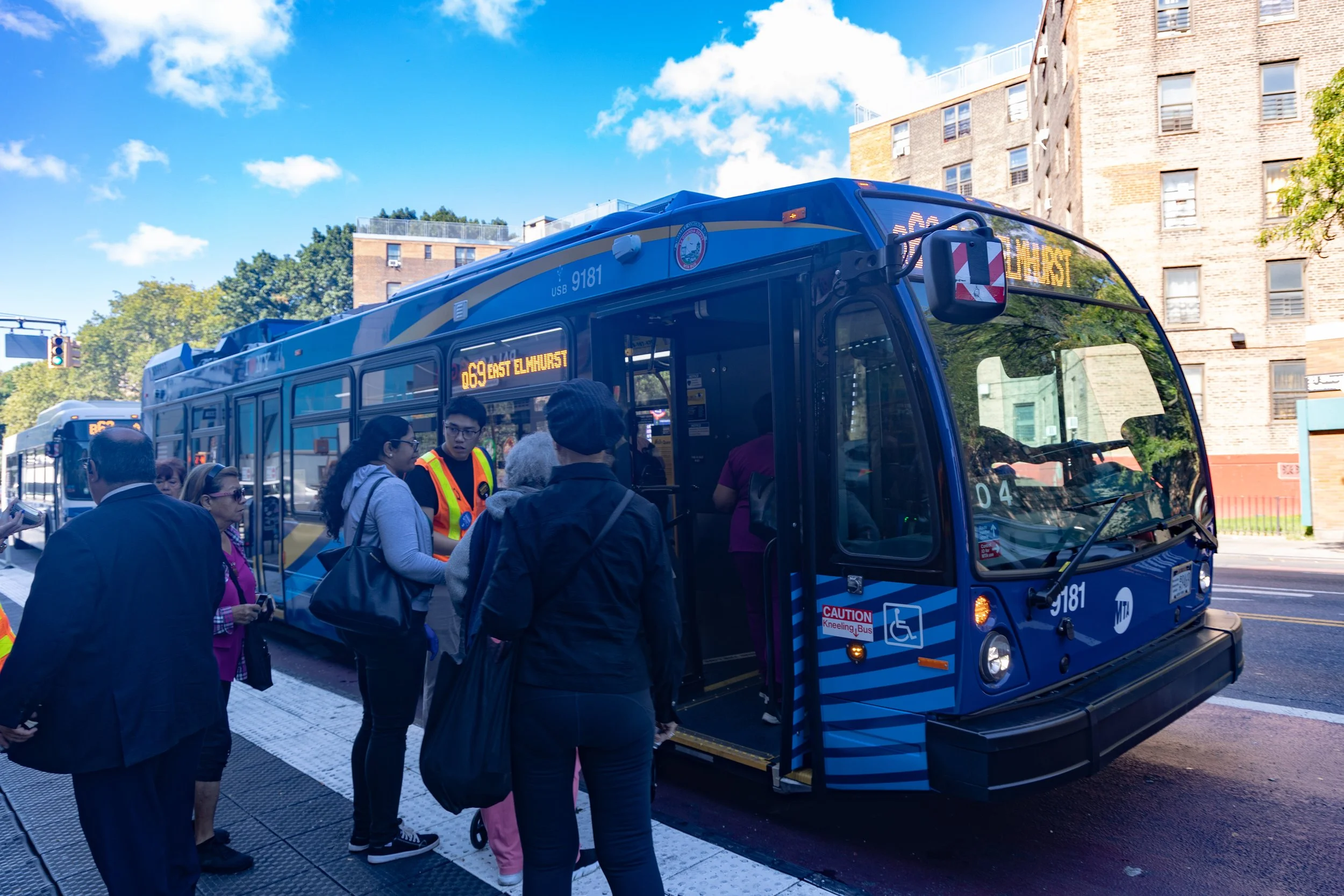
The MTA says that the Queens Bus Redesign has increased speeds across the borough. Eagle file photo by Ryan Schwach
By Ryan Schwach
Queens buses have been speedier in the 12 months since the MTA’s implementation of a new, controversial bus map in the borough, transit officials said Monday.
Bus speeds in Queens increased by 1.7 percent on weekdays over the past year following the implementation of the Queens Bus Network Redesign, according to the MTA.
The redesign has been so successful that Queens’ buses have become the envy of the rest of the city, officials said. Of the 25 bus routes with the greatest speed increases from spring 2025 to spring 2026, 24 were in Queens.
The positive data comes a little more than a year after wheels began turning on Queens’ new bus routes, a culmination of an arduous, six-year process that involved three different draft plans and over 300 community input sessions.
“This project was years in the making and designed with four priorities in mind for customers: faster travel, better connections, more reliable service, and simplified service,” NYC Transit President Demetrius Crichlow said at the MTA’s board meeting on Monday. “I'm thrilled to say that the team has delivered on all fronts.”
During off-peak hours, speeds increased 1.9 percent and new, speedier rush routes saw an average 4.6 percent speed increase.
Forty-one routes saw speed increases by at least 3 percent.
Since the plan’s rollout, 71.2 percent of trips in Queens made it to their destinations within five minutes of the scheduled time, the highest rate on record, excluding the COVID-era.
“Overall, riders are spending less time waiting for the bus and less time on the bus,” Evan Bialostozky, a senior director of network redesigns and special projects at New York City Transit and one of the plan’s chief designers, said. “Riders with the longest trips are benefiting the most from the new network. New routes, extended routes and adjusted routes are getting people to neighborhoods and key destinations faster.”
“This six-year planning process led to one of the largest changes to a bus network in the history of North America,” Bialostozky added.
MTA data shows the Queens route with the greatest increase in performance was the Q28, which runs between Flushing and Bay Terrace. The route, which was made a “rush route” under the redesign, saw a 13.8 percent increase in speed.
The Q23, which runs between East Elmhurst and Forest Hills, saw the greatest increase in speed of any non-rush route. Riders, on average, have reduced their time on the bus by 12 minutes because of a change that sends the route around Austin Street in Forest Hills and avoids narrow streets and other congested areas in Corona.
The Q111 and Q40 rush routes, as well as the Q33 and Q26 local routes all saw speed increases over 8.5 percent.
The MTA plans to release a full post-implementation report in the coming months, Bialostozky said at the board meeting.
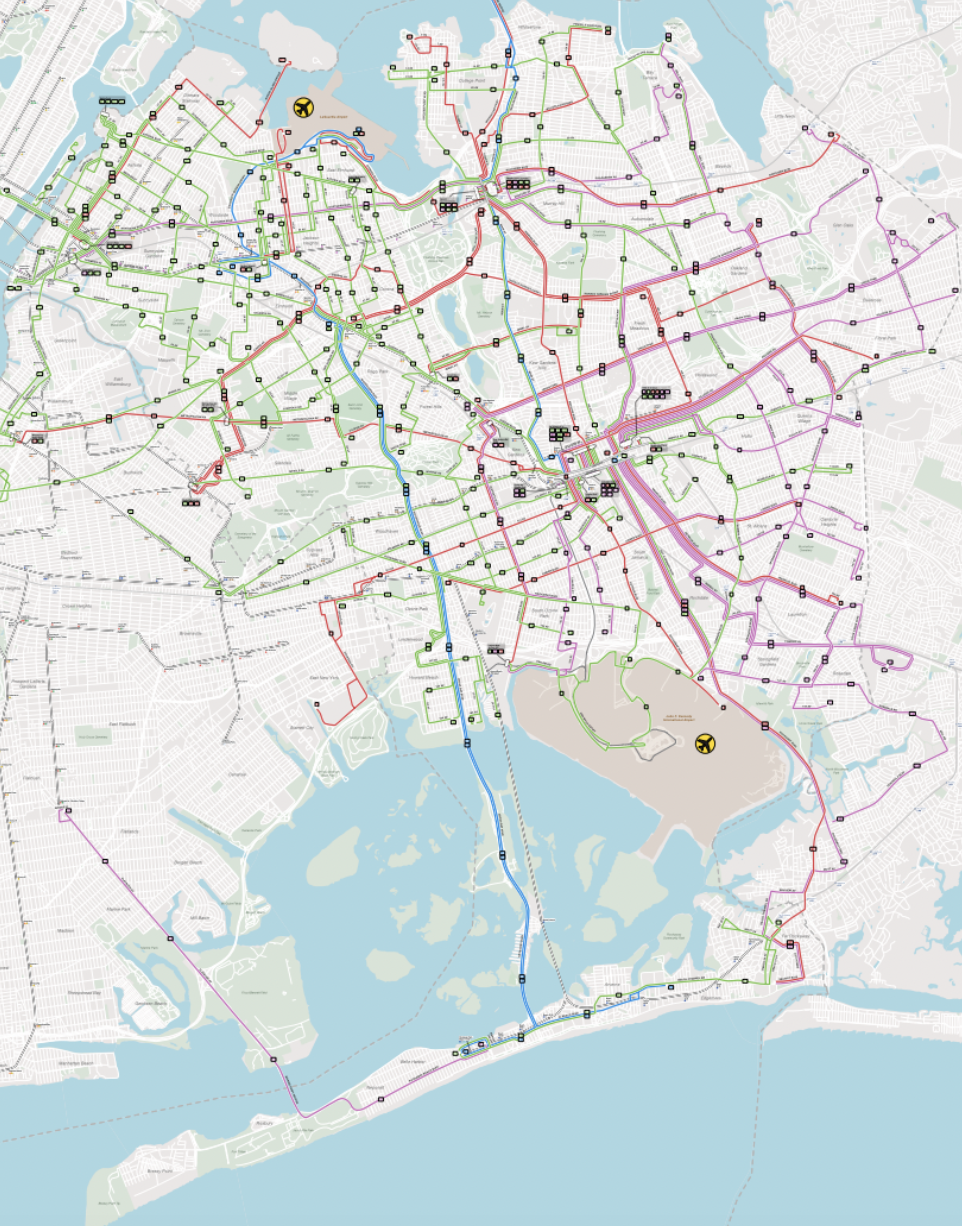
Queens Bus Redesign has increased speeds a year post-implementation. Map via the MTA
Queens Borough President Donovan Richards, who once described the redesign as “perfectly imperfect, celebrated the news of the new map’s success on Tuesday.
“As planned and as expected, the borough's 800,000 daily commuters are getting to their destination quicker than they have in years, thanks to the Queens Bus Network Redesign,” Richards said in a statement to the Eagle.
“In a borough of transit deserts, this redesign has proven to be effective in cutting commute times, and my office continues to communicate with the MTA on ensuring our bus network continues to provide the best service possible to our working-class neighbors who rely on it,” the BP added.
While the numbers reflect positive outcomes, the rollout of the plan caused significant headaches for Queens riders who were unaware of the changes when they were implemented on their commute.
“It is very confusing,” Bianca Abraham, who was waiting for a bus outside Queensbridge on the first day of the roll out last September, told the Eagle.
It was her first day of retirement after a career of driving school buses.
“I was getting ready to take a bus from point A to point B. And now I don't go from point A to point B. I have to take two buses,” she said.
In other parts of the borough, locals lamented the elimination of their bus stops, which were scrapped across the borough to speed up service.
The woes were evident by a drop in customer satisfaction last fall, which has sprung back up in recent months as riders “became acclimated to the new network,” Bialostozky said.
The new-found positivity around the plan comes nearly a decade after it was first suggested. Initially, the MTA set out to redraw Queens’ complicated bus map – which is the biggest bus system in the country – before the pandemic.
That plan was ultimately tossed out by the city following a monumental amount of backlash from the public and elected officials.
Two other attempts in the last two years saw a similar fate, ultimately resulting in this final draft, itself the culmination of over 20,000 public comments and over 300 public input sessions over the last several years.
The final plan included a total of 124 routes, 11 more than the initial map. It also featured 94 local routes and 30 express routes.