New trial ordered after Queens judge helped prosecutors, appellate court rules
/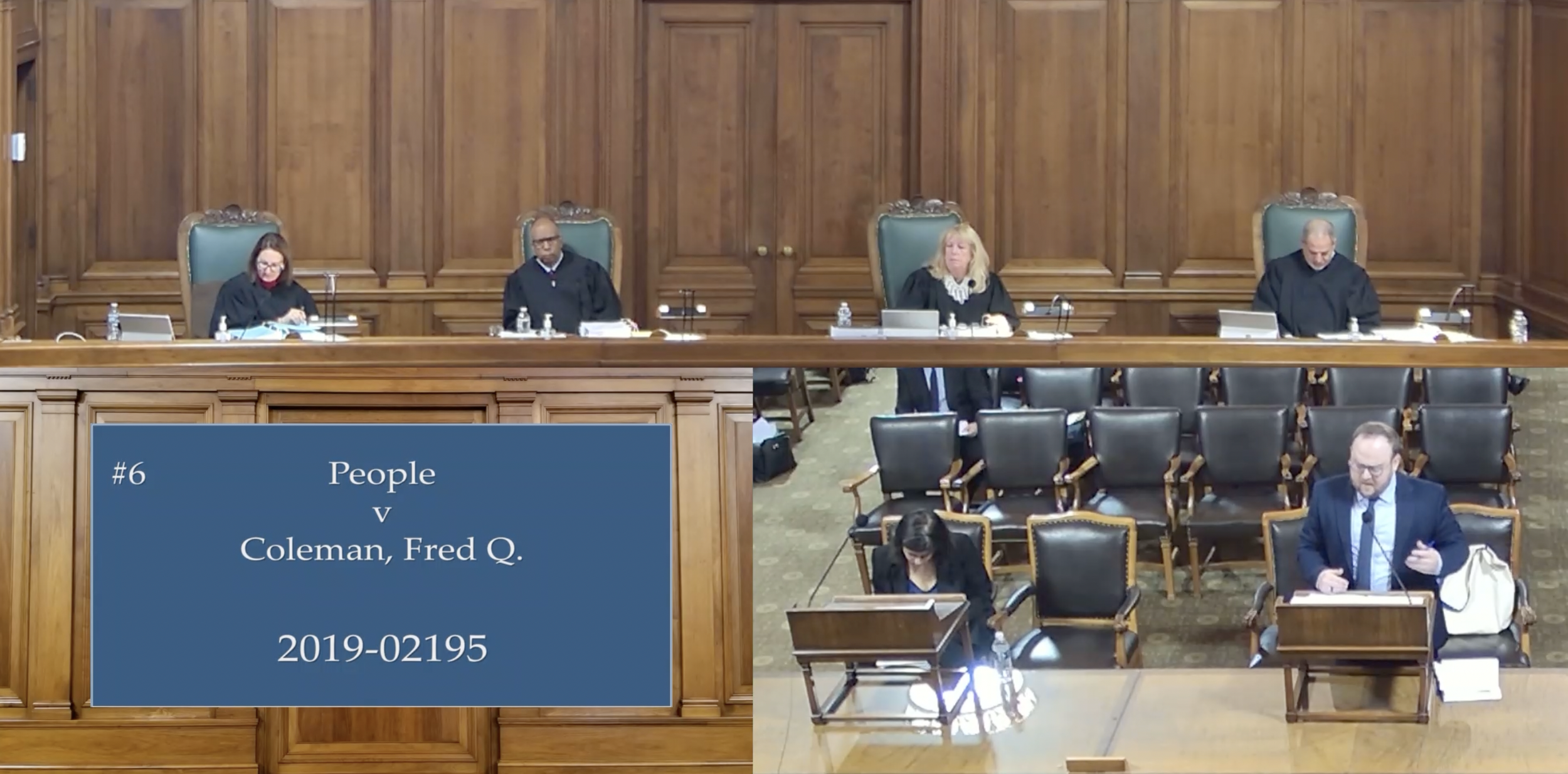
Appellate Division, Second Department Judges Donna-Marie Golia, William Ford, Colleen Duffy and Laurance Love unanimously overturned a 2019 conviction after they found that the Queens judge in the case improperly sided with the prosecution. Screenshot via Appellate Division, Second Department
By Jacob Kaye
A man who was convicted of assault after he slashed someone in the neck will get a new trial after a panel of appellate judges said that a Queens judge improperly acted like a prosecutor, asking over 400 questions of witnesses during the 2019 trial.
Fred Q. Coleman, who was convicted of assault, disorderly conduct and criminal possession of a weapon by a jury in the 2019 case, had his conviction overturned and was ordered to be given a new trial by a four-judge panel in the Appellate Division, Second Department last week.
The judicial panel, which included Appellate Division Judges Colleen Duffy, William Ford, Laurence Love and Donna-Marie Golia, said that now-retired Queens Supreme Court Justice Stephen Knopf tainted the trial by effectively helping Queens prosecutors make their case to the jury.
“Viewing the record as a whole, the Supreme Court improperly took on the function and appearance of an advocate, at times even engaging in commentary on the testimony against the defendant, as well as on questions posed by defense counsel,” the judges wrote in their unanimous decision. “The court’s conduct left the impression that its opinion favored the credibility of the People’s witnesses and the merits of the People’s case, thus depriving the defendant of a fair trial.”
Over more than 200 pages of witness testimony, the judge asked 461 questions.
Knopf, who retired from the bench at the end of 2024, asked the victim and witnesses a number of “leading questions” throughout the trial, the appellate judges found.
Coleman was originally accused of cutting the victim’s neck after a confrontation at their home. While prosecutors said Coleman slashed the victim on purpose, Coleman’s defense attorney argued the cut was an accident that the victim sustained after falling onto a sharp part of a car.
The victim and the paramedic who responded to the scene were central to the prosecution’s case – and both were peppered with questions by Knopf, according to the ruling.
Knopf allegedly asked the victim leading questions about the pain they felt from the slashing and instructed them to stand up and approach the jury to show the scar they had sustained from the attack.
The judge also “repeatedly stepped in to lay the foundation for key pieces of evidence, repeatedly refreshed witnesses’ recollections and helped the prosecution overcome adverse evidentiary rulings,” Coleman’s appeals attorney, Zachory Nowosadzki, said during a December appearance before the Appellate Division judges.
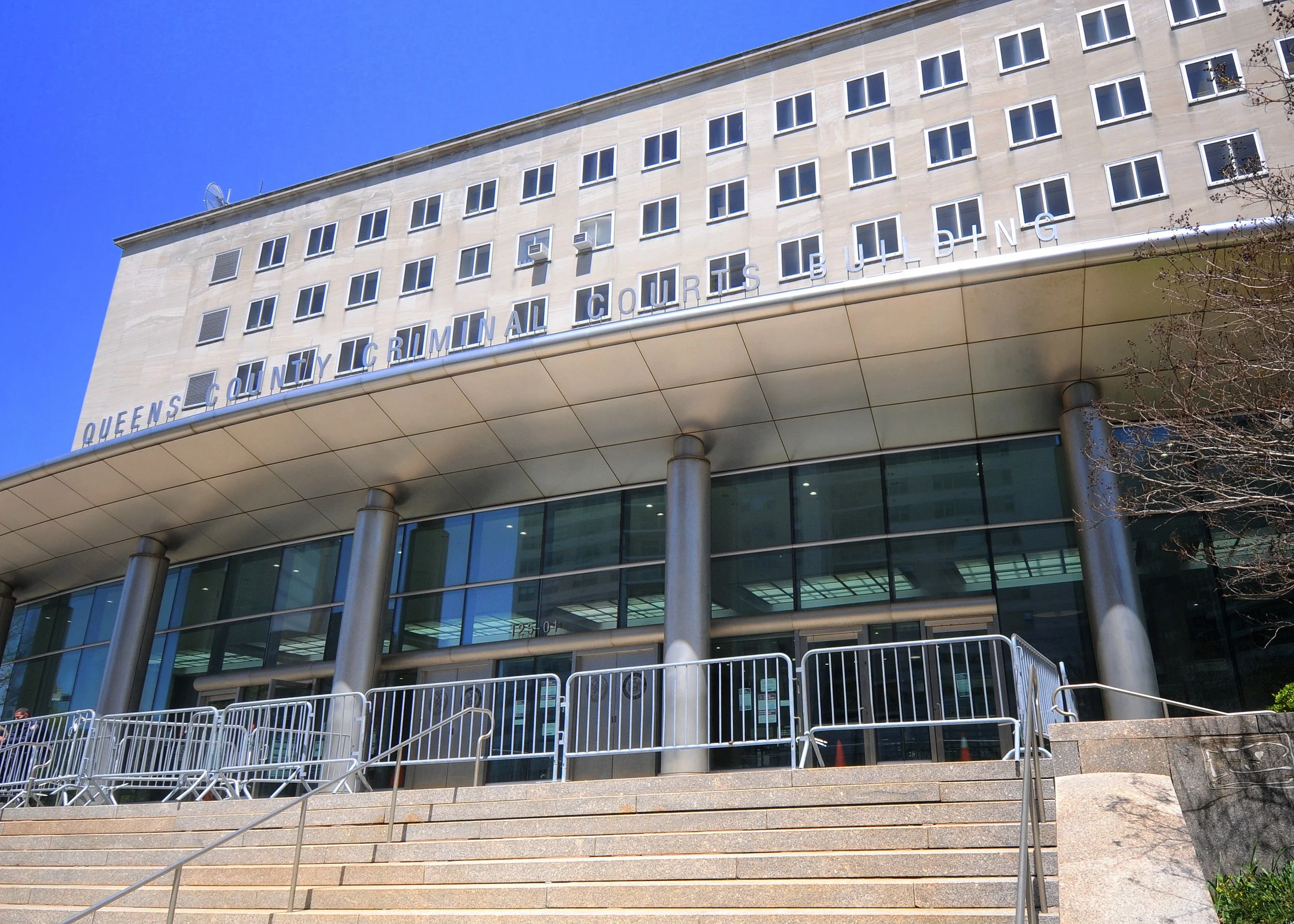
The Appellate Division, Second Department ordered a new criminal trial in Queens Supreme Court after it said that Fred Coleman was deprived of a fair trial after the judge presiding over his 2019 case appeared to side with the prosecution. Eagle file photo by Walter Karling
At one point during the trial, Knopf cured an objection that he had previously sustained, Nowosadzki said. Though he had previously said that the EMT could not opine on the cause of the victim’s injury, when prosecutors were attempting to elicit that opinion from the witness, Knopf stepped in and helped them, according to the attorney.
Knopf also allegedly repeatedly used phrases that may have made it appear as though he was on the side of the Queens district attorney’s office, saying things like, “Let’s rephrase that,” or that he was “glad that we made things clear for the jury.”
And while he was reportedly “warm” toward the prosecution, he was allegedly less friendly toward Coleman and his attorney.
“The times when defense counsel did make objections, the court did exhibit hostility towards defense counsel,” Nowosadzki told the Appellate Division.
Nowosadzki did not respond to a request for comment from the Eagle.
Appellate Division, Second Department judges appeared to feel that Coleman’s request for a new trial was easily warranted.
During oral arguments, Duffy appeared outraged when an attorney representing the Queens district attorney’s office said that they believed that Knopf’s “questioning of the witnesses was not improper.”
“Are you kidding me?” Duffy said. “This is the kind of case where it’s like, seizing defeat from the jaws of victory.”
A spokesperson for the Queens District Attorney Melinda Katz said the DA’s office was reviewing the decision.
Knopf was first elected to the bench in 1996, winning a spot on the city’s Civil Court.
He was assigned to Criminal Court the following year, and served there until 2005.
In 2006, he was elected to serve in the Supreme Court in Queens. He was reelected in 2019 after the conclusion of his first 14-year term. He retired at the end of 2024.