Courts unveil $3.2 billion budget ask: Budget boost to cover costs of new judges, legal services and raises
/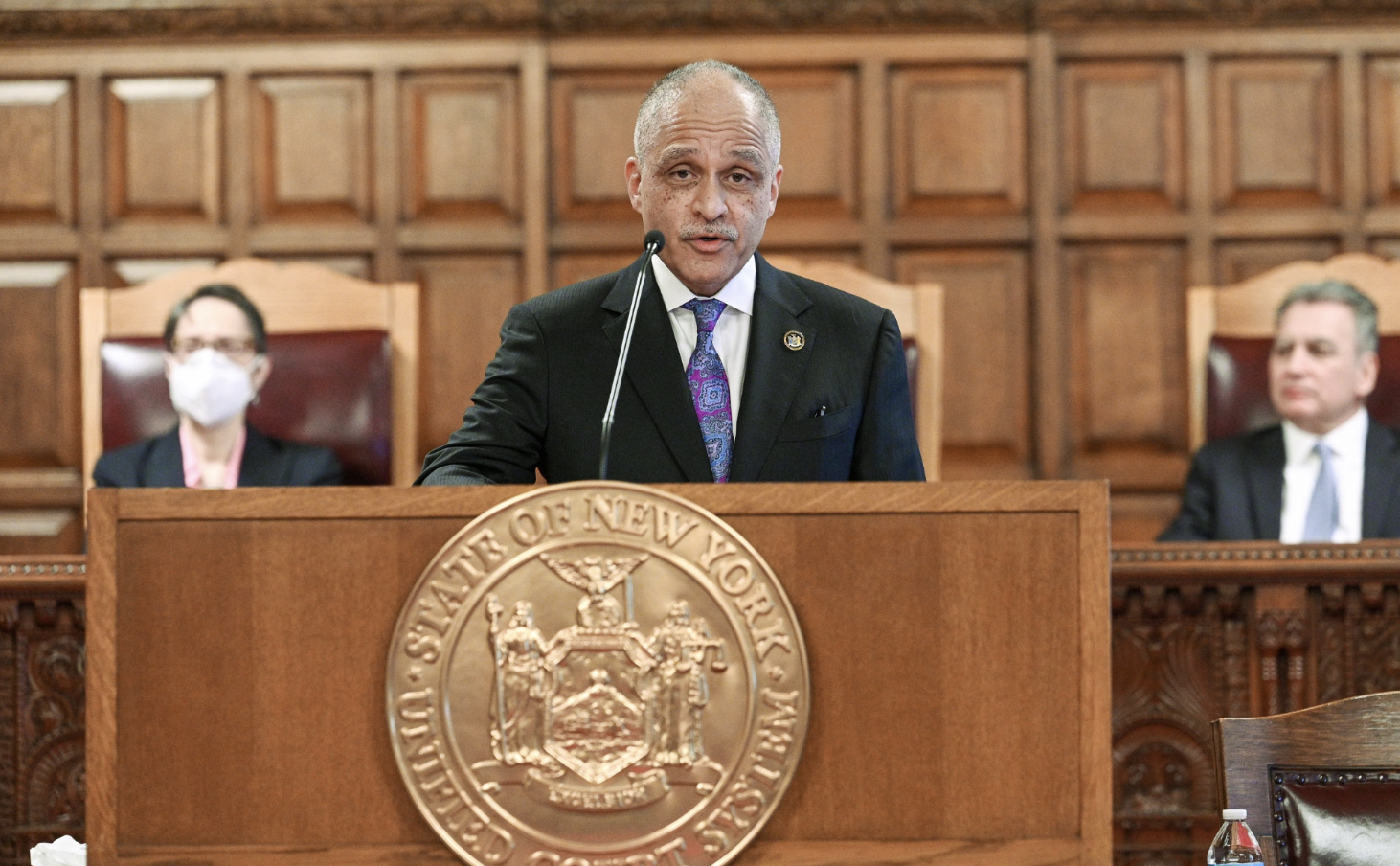
The state’s Unified Court System and Chief Justice Rowan Wilson is asking for a $200 billion budget increase for Fiscal Year 2027, including around $50 million to address issues with Civil Legal Services. Photo by David Handschuh/Unified Court System
By Ryan Schwach
Leaders of the state court’s system on Tuesday called for a nearly $200 million budget increase to boost their spending up to $3.2 billion in the coming fiscal year.
The Unified Court System unveiled their Fiscal Year 2027 budget proposal, a fiscal document that included a 6.7 percent increase in spending from the current year, alongside Governor Kathy Hochul’s executive budget proposal.
Nearly three-quarters of the court system’s spending increase would go toward existing operations and ongoing programs, including a two percent salary increase for all judges and justices.
The budget proposal also calls for nearly $50 million in new spending, nearly half of which would be used to expand the state’s struggling civil legal services programs.
“The FY 2027 budget submission supports the actions of the past two years in base funding and seeks to address only the most critical new initiatives that will improve the fair and timely delivery of justice and provide equal access to justice to all New Yorkers,” the budget document reads.
The Office of Court Administration declined additional comment on Tuesday.
The proposed funding for civil legal services comes after Chief Judge Rowan Wilson spoke of the struggles in managing the services statewide, which helps meet the legal needs of low income New Yorkers, at a hearing in September.
“For the rule of law to survive, people must believe in it,” Wilson said. “It is very hard to believe in a system that perennially stacks the deck in favor of the wealthy while leaving the less fortunate to fend for themselves.”
Requests for increased funding for CLS are a common ask from the courts, making it unsurprising it was their top item for additional funding, making up about half of all the additional budget request.
The courts asked for an increase of $25 million for CLS, bringing the total budget for the program to $179 million.
The additional funding “will support recruitment and retention for these providers and expand access to legal services in the most critical areas,” according to the document.
However, the increase still does not fully meet the need, the court’s budget proposal said.
The funding request is still less than 20 percent of what is necessary, according to a recent study by the Permanent Commission on Access to Justice cited in the budget document.
“At a time of stark distress for economically disadvantaged New Yorkers, increased funding for access to legal representation in matters that jeopardize their basic needs, such as housing and food, is a priority for judicial leadership,” the budget document read.
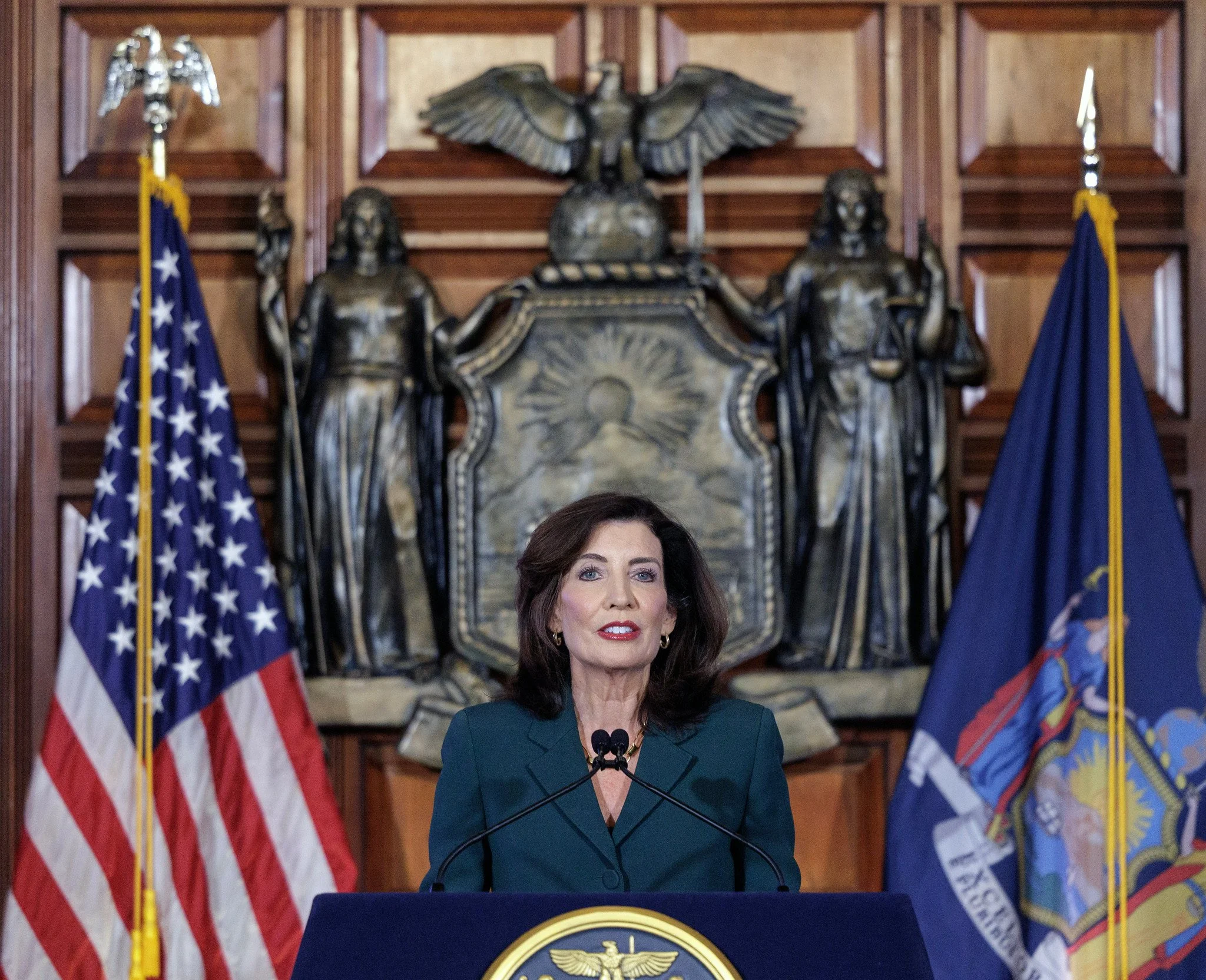
Governor Kathy Hochul announced a $260 billion state budget on Tuesday as the state deals with federal cuts and the city prepares to manage a potential budget shortfall. Mike Groll/Office of Governor Kathy Hochul
Other additional funding budget requests include the creation of a statewide lab-based drug testing program worth $6.1 million, enhancements to Family Court services through more than $5 million in new funding, and the creation of mental health parts in New York City Family Court focused on juvenile delinquency and related proceedings worth $2.5 million.
The budget proposal also includes the funding necessary to pay for 15 new judgeships authorized by the state legislature last year, along with the two percent raise for members of the bench.
The judiciary budget submission also seeks $60 million in capital funds, reflecting a $10 million increase from the Fiscal Year 2026 budget, which it said is “necessary to address growing demands for technology infrastructure and products, in addition to addressing critical public safety measures, including secure access, screening and emergency preparedness.”
UCS will now advocate for their requested funding at legislative hearings, and the legislature will approve the final budget.
The judiciary’s budget was released alongside the governor's Fiscal Year 2027 budget proposal on Tuesday.
The $260 billion state budget will be achieved without any new taxes, the governor said, thanks to a better than expected revenue outlook despite cuts from the federal government.
“This is not an austerity budget, but it is a disciplined one,” Hochul said. “We're continuing to invest in core services that New Yorkers rely on, while keeping the growth of state operating funds at a responsible level.”
Hochul’s budget includes funding for various state initiatives, including already-announced childcare expansions, investments in Medicaid to make up for federal cuts and money for Queens.
The governor announced last week her plans to make a $50 million allocation to overhaul Jamaica Station, which was the big ticket item for the borough. The budget also included funding for Queens groups and other ongoing projects.
Mayor Zohran Mamdani, who has continued to push for higher taxes for the wealthiest New Yorkers and an increased corporate tax rate to fund his own progressive agenda, said his administration is still reviewing the governor’s budget.
“We are just beginning our full review of the Governor’s budget and will have more to say as we dig into the details,” he said in a statement Tuesday. “Our guiding principle, however, is clear: fiscal responsibility must go hand in hand with protecting working families, preserving our social safety net, and building a city that works for the many—not just the few.”
While the state was able to make up for federal funding gaps, the city has its own gap to fill – around $12 billion according to the city and state comptrollers.
Mamdani blamed the shortfall on the previous mayoral administration.
“Working New Yorkers should not have to pay the price for the failures of the Adams administration,” he said Tuesday. “The excellence in public services our city depends on should not be sacrificed. It is time to ask New York City’s wealthiest and large corporations to pay their fair share, while also working toward a fiscal relationship with the State that better reflects New York City’s status as the economic engine of the state.”