Opinion: PPL’s health insurance is a raw deal for workers. The state must change that.
/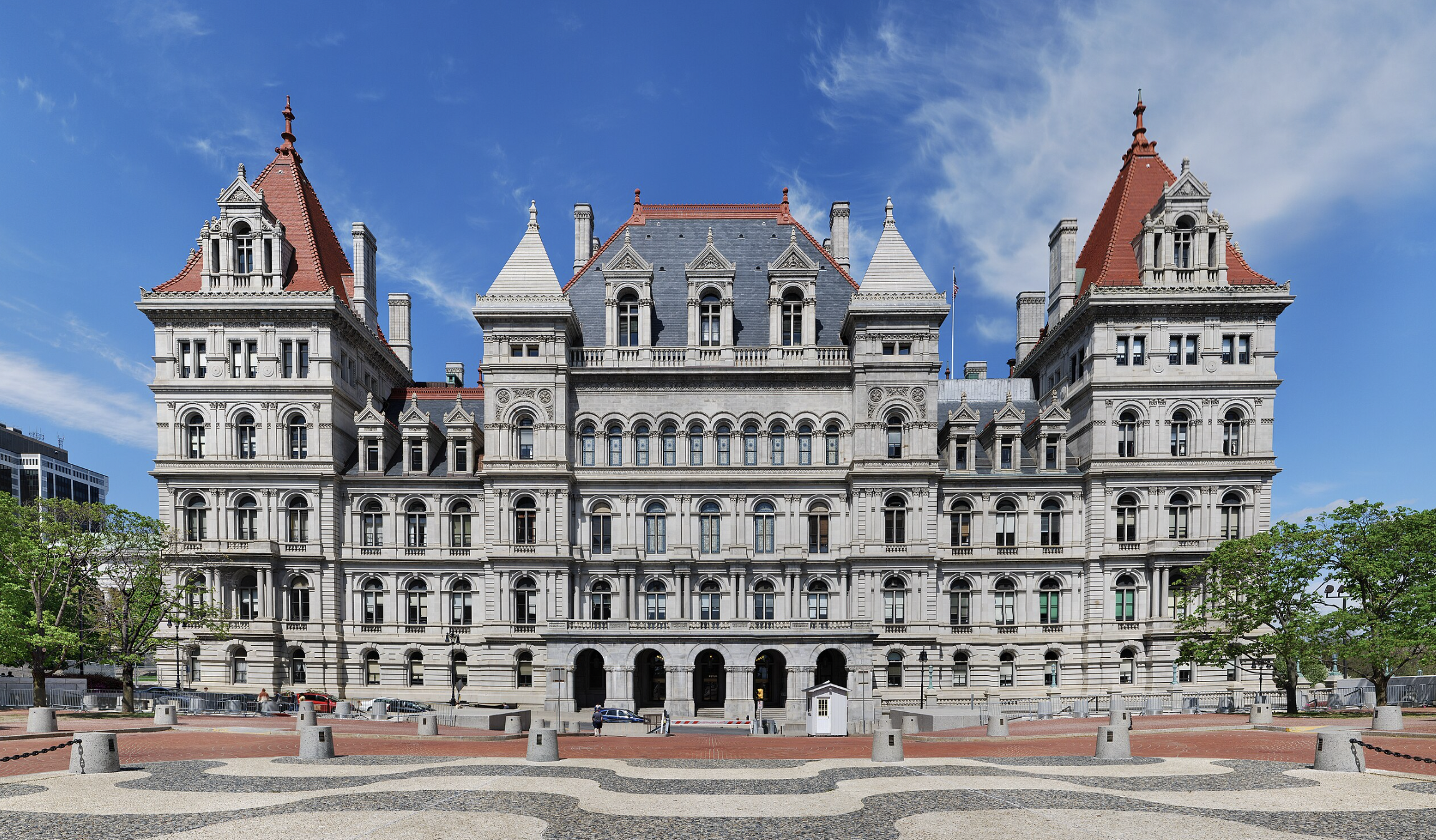
File photo by Matt H. Wade
By Rebecca Antar and Michael Kinnucan
New York’s rocky overhaul of its Medicaid consumer directed home care program (CDPAP) puts 280,000 elderly and disabled New Yorkers at risk. It also risks the health coverage of 400,000 workers – a consequence of replacing hundreds of fiscal intermediaries (FI) with a single FI. An FI handles the paperwork and payroll for consumers, who select and train their own workers. New York is now paying Georgia-based, private equity-owned PPL approximately $225 million to administer the multi-billion-dollar program.
As the Fiscal Policy Institute revealed, PPL offers insurance options that exploit legal loopholes in the Affordable Care Act (ACA), covering virtually nothing. The ACA penalizes large employers that don't offer health benefits. But it isn't clear whether the penalty applies to PPL, which is a joint employer with consumers under labor laws, but not under the ACA. PPL offers lousy insurance that renders many workers ineligible for high-quality affordable coverage they receive now.
PPL offers an optional “Minimum Value” plan to full-time workers, with a $212 monthly premium and $6,350 annual deductible. Realistically, no one earning $32,000 can afford these sky-high costs. Workers will face bankruptcy if they need significant treatment, skip treatment for chronic conditions, or be forced to find another job.
A second PPL plan covers even less. Every NYC, Westchester and Long Island part-time worker and full-time workers not paying for the $212 plan will be automatically enrolled in PPL’s “Minimum Essential Coverage” plan. This plan covers only a few preventive services, with no coverage for hospitalization, emergencies, doctors, surgery, chemotherapy, antibiotics, or prescriptions. PPL calls this coverage “free,” but workers’ pay is reduced by $0.87/hour in NYC or $1.03 in Westchester and Long Island to pay for this plan. Both plans are offered by a fraudster-linked company with a history of helping home care agencies steal employee wages.
Governor Hochul falsely claimed that workers will be no worse off than they are today because most CDPAP workers did not receive health benefits from an FI. That’s dishonest because most workers have income low enough to qualify for the Essential Plan, which is free, zero-deductible health insurance for New Yorkers earning less than $39,000 per year. However, the State recently admitted that merely being offered the high-deductible “Minimum Value” plan disqualifies workers from the Essential Plan and from premium subsidies for other insurances, despite their low income even if they do not enroll in the PPL plan. The State claims that those in the Minimum Essential Coverage preventative plan may enroll in the Essential Plan but to do so, workers must decline this PPL coverage – which PPL will not allow. Those who receive health coverage through a spouse’s employer or as retirees may also lose coverage.
The result is disastrous: Workers’ meager wages are further reduced, workers are stripped of quality health insurance and barred from affordable coverage, and hundreds of millions of taxpayer dollars are wasted.
The problem is fixable. PPL should stop offering health insurance and reinvest the money in wages. At minimum, PPL should pause its health insurance offer for 90 days, as permitted under the ACA, giving policymakers time to consider solutions and workers time to plan continued coverage. Workers must be permitted to decline enrollment in the PPL plan to protect their other coverage.
The transition to a single FI is controversial – but this issue shouldn’t be. Caregivers for elderly and disabled New Yorkers have a right to health care, and New York State’s taxpayers have a right to expect that Medicaid funds will be spent on care.
Rebecca Antar is the director of the health law unit at The Legal Aid Society, and Michael Kinnucan is the senior health policy advisor at the fiscal policy institute.