Hochul approves Creedmoor redevelopment
/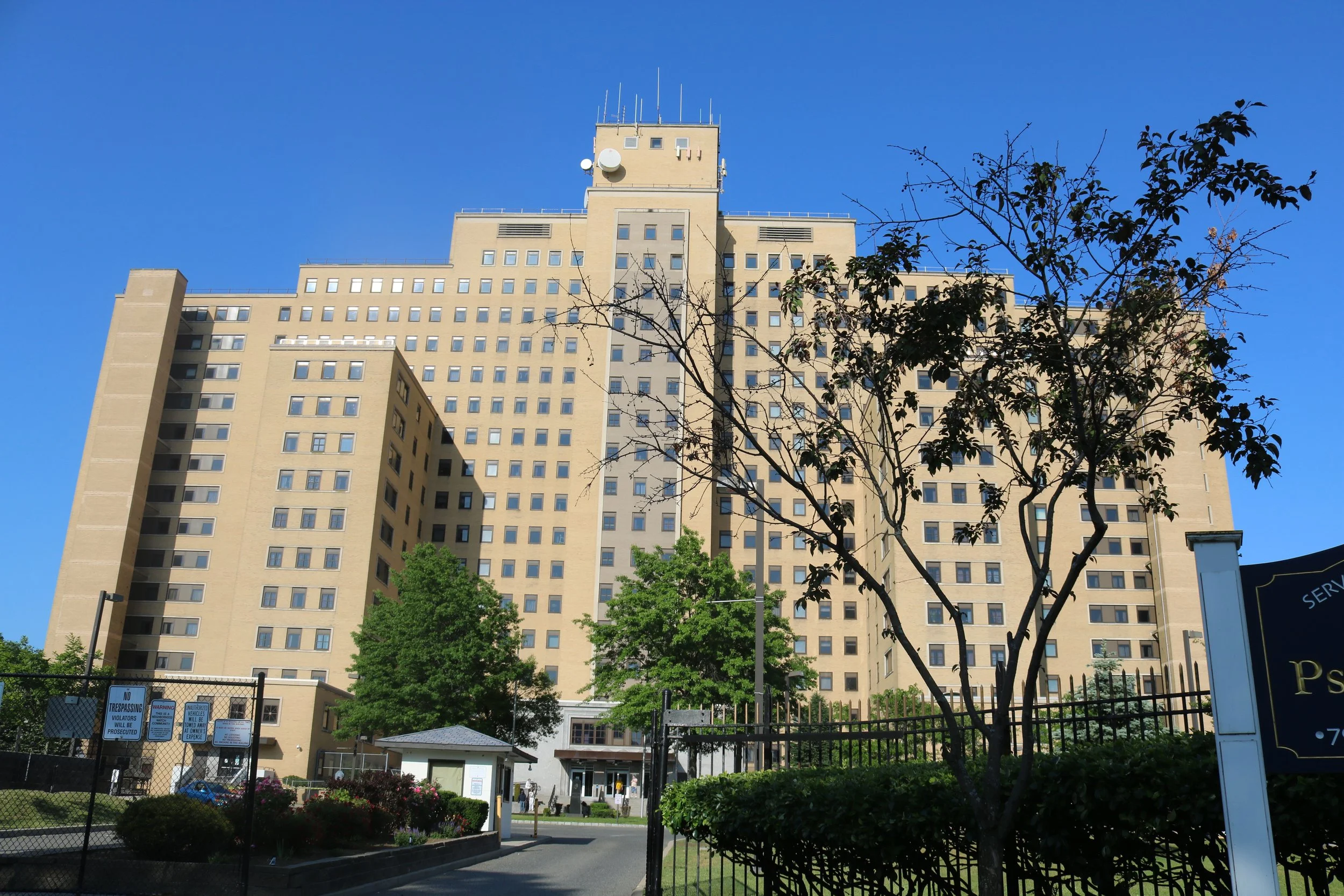
Governor Kathy Hochul greenlit the massive Creedmoor Redevelopment plan on Thursday morning. Eagle file photo by Ryan Schwach
By Ryan Schwach
Governor Kathy Hochul approved the state’s plan to redevelop a long-neglected site in Queens, kicking off what is expected to be over a decade of construction in the easternmost section of the borough, she announced Thursday morning.
The overhaul of the nearly 50-acre site adjacent to the Creedmoor Psychiatric Center off Grand Central Parkway in Queens Village is slated for what amounts to an entirely new community in the generally quiet Eastern Queens neighborhood.
The amount of housing in the plan Hochul is lending her approval to is significantly less than what was initially suggested for the site. Outcry from local civic leaders and elected officials who rejected earlier drafts led to a less dense plan negotiated earlier this year.
Those same civic leaders often clashed with the state, the borough president and housing advocates over what should be done with the site.
The now-approved plan includes 2,022 new homes, of which 950 will be affordable units for veterans, seniors and those in need of supportive housing.
More than 1,000 units will be affordable and market-rate homeownership units. The plan also includes over 10 acres of open space, new community facilities, and neighborhood retail space.
The new community buildings will include a public school, a childcare center and a senior center.
“Across New York, we’re tackling the housing crisis with creative solutions that make the most of every opportunity — including underutilized State property like the Creedmoor campus,” Hochul said. “This project will deliver more than 2,000 homes, including a mix of affordable rental and homeownership opportunities for families, along with dedicated affordable rental housing for seniors and veterans, while adding much-needed open space, childcare, and community facilities. By working together with local leaders and residents, we’re building a stronger future for Queens and for our entire state.”
The plan was developed by the state, Empire State Development and Borough President Donovan Richards, who has long encouraged the plan’s housing goals.
“Going back decades, countless plans to redevelop the Creedmoor site have been proposed, only to fall apart and leave nearly 50 vacant acres of land full of potential sitting purposeless,” Richards said. “But we had no intention of continuing to accept inaction as our city's historic housing crisis continues to worsen.”
Richards added that the plan represents an “incredible opportunity" to revitalize the forgotten site.
“From homeownership opportunities to housing dedicated for seniors and veterans, this plan will be nothing short of transformative for so many in this community,” he said.
Even community board members who had long contested the plan’s density applauded the approval Thursday.
“When the needs of a local community and community at-large converge, it makes
absolute sense to blend those into an outcome that meets all needs,” Community Board 13 said in a statement. “The communities of eastern Queens welcome this opportunity to repurpose surplus New York State property on the Creedmoor Psychiatric Center Campus to meet community needs.”
Eastern Queens elected officials also applauded Hochul’s approval of the plan, which is the result of a deal they made with the state that slashed 850 units from the project.
“As our City and State combat the ongoing housing crisis, I am thankful to Governor Hochul and ESD for their ongoing collaboration with community stakeholders to ensure that we create housing that is affordable and will support residents of Eastern Queens for generations to come,” said Councilmember Linda Lee. “The Creedmoor Development Project has been years in the making, and it would not have been possible without persistent community feedback and the strong partnership of our State colleagues.”
The road to Creedmoor
For years, the sprawling campus of Creedmoor Psychiatric Center has remained mostly abandoned.
With its troubling history of patient treatment, the vast campus has become fodder for local ghost stories and urban adventures. Beyond a remaining hospital and a government building, it has been used for little else in recent years.
“I'm hoping that we really turn the tide and get something done – and I'm not hoping, we are going to get something done here,” Richards told the Eagle when the first visioning sessions for the project were announced in early 2023.
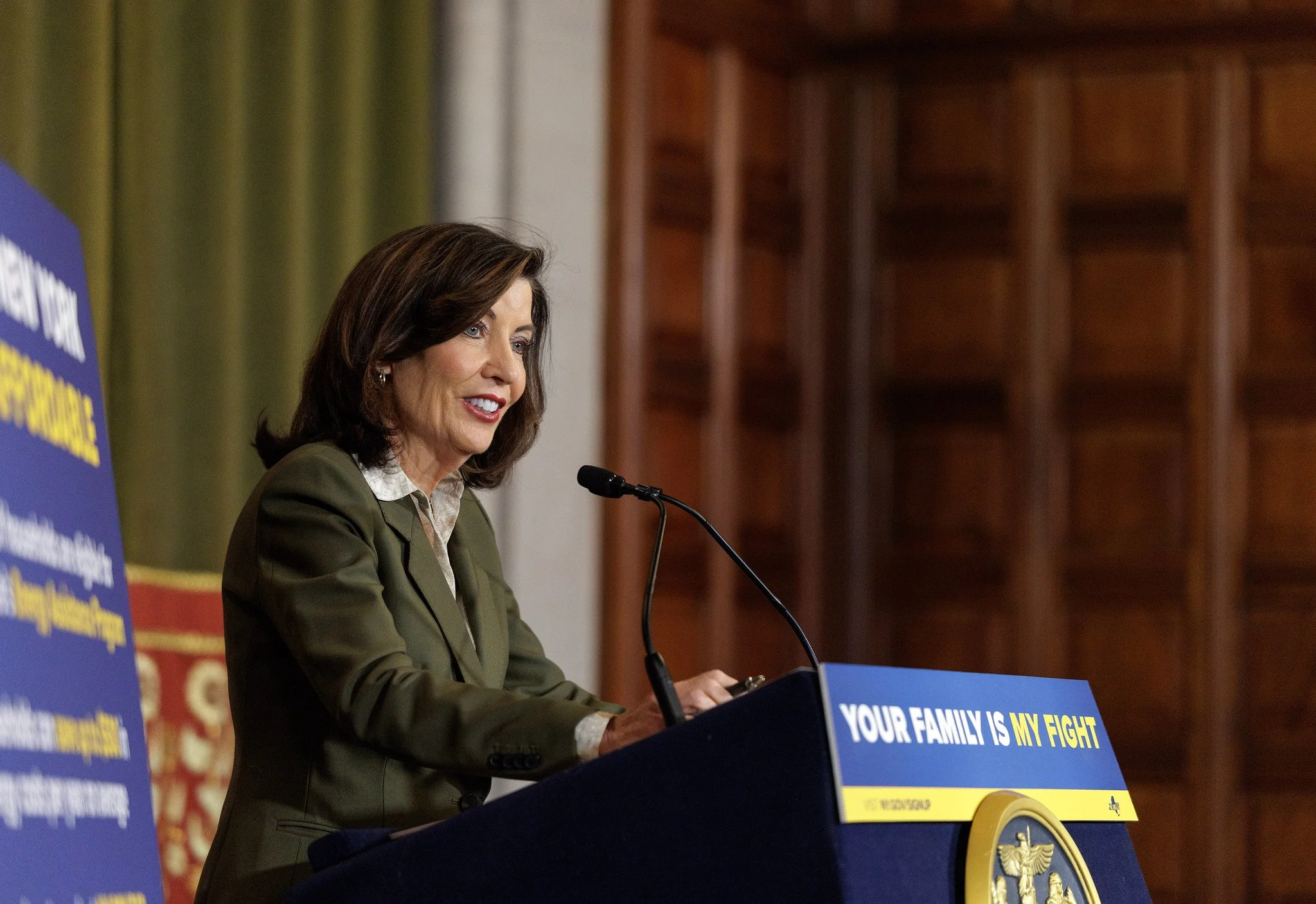
Governor Kathy Hochul lent her approval to a plan that will bring more than 2,000 new housing units to Eastern Queens. Mike Groll/Office of Governor Kathy Hochul
“We just want to make sure we're doing it in a way where we're taking in as much community input.”
Community input is what Richards got. A significant amount of that input, however, was less than favorable.
A number of civic leaders and members of the local Community Board 13 opposed bringing thousands of new residents into the area, worrying it would be out of character with their quiet suburban enclave.
“We definitely do not want anything that produces high volume…If there is housing it has to be low density,” Rocky Hill Civic Association President Suzanne Peritz told the Eagle at the time. “We do not want all the traffic.”
The civic leaders formed their own coalition, which put forth a list of demands that included less housing and more infrastructure investment.
A petition circulated that called for more public input on the development process, and garnered around 1,100 signatures in just a few weeks.
In response to the community pushback, other locals, mainly faith leaders organized under a group called Queens Power, called for more housing to address the urgent need across the city.
“Parishioners told me that there's children, who worked for what was previously considered to be decent jobs, who are moving back with their parents because they simply can't make ends meet,” said Father Daniel Kingsley, the pastor of St. Clare Church in Rosedale. “They're moving to either down south or Nassau, Suffolk – the five boroughs simply are not affordable for them anymore.”
In the summer of 2023, the Eagle reported that the project’s development process was behind schedule. Richards said it was to make sure the community was heard.
Development got even more complicated and tense when part of the site was used as a massive migrant shelter at the height of the migrant crisis.
In December 2023, ESD released its “Master Plan” for the project, pitching 2,873 new housing units.
Locals were not thrilled, and neither were local elected officials.
A trio of pols — Assemblymember Ed Braunstein, State Senator Toby Ann Stavisky and Lee — opposed the figure.
“With the release of the master plan, it became clear that the community input was largely ignored,” Braunstein told the Eagle following the Master Plan’s release.
The fight ended I. August, when the trio struck a deal with the state to slash the housing by 850 units.
“My colleagues and I have consistently emphasized that any development on the Creedmoor campus must reflect community values; supporting older adults’ desires to age in place and offering truly affordable paths to homeownership, all without straining our public infrastructure,” Lee said in a statement at the time. “I’m cautiously optimistic that the revised plan, with its reduced scale, better aligns with these priorities.”
While the deal spurned housing advocates from Queens Power and beyond, they celebrated Hochul’s approval on Thursday, and called for work to continue.
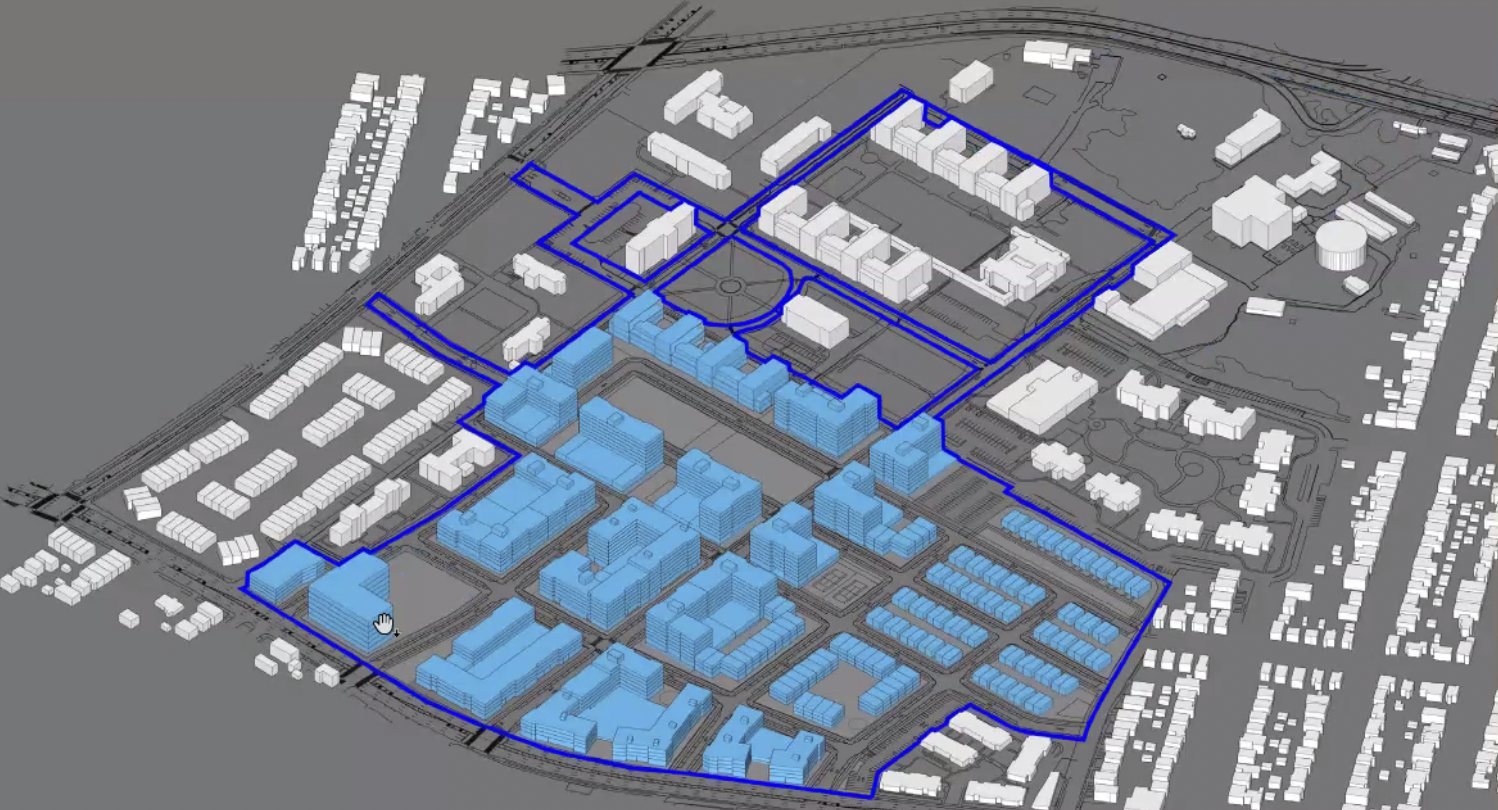
The Creedmoor redevelopment will completely overhaul around 45-acres of long-abandoned land in Eastern Queens. Rendering via Empire State Development
“2,000 affordable units at Creedmoor is an important and significant step to delivering real results to address the affordability crisis across NYC,” Queens Power Co-Chair Rev. Patrick O’Connor said. “We are not stopping. We can’t stop. Thousands of New Yorkers are being pushed out of their city. Queens residents once called ‘essential’ are essential enough to work in Queens but not live in Queens.”
Next steps
Work on the site will be split into phases, and will go on for the next 13 years.
Phase one is scheduled to be completed sometime in 2027 or 2028, according to state documents, and will include the first 356 housing units.
This year, the state will seek proposals for a developer to help with the construction of that first phase, and the developer will be selected next year.