Forest Hills Stadium lawsuits cause rift in neighborhood
/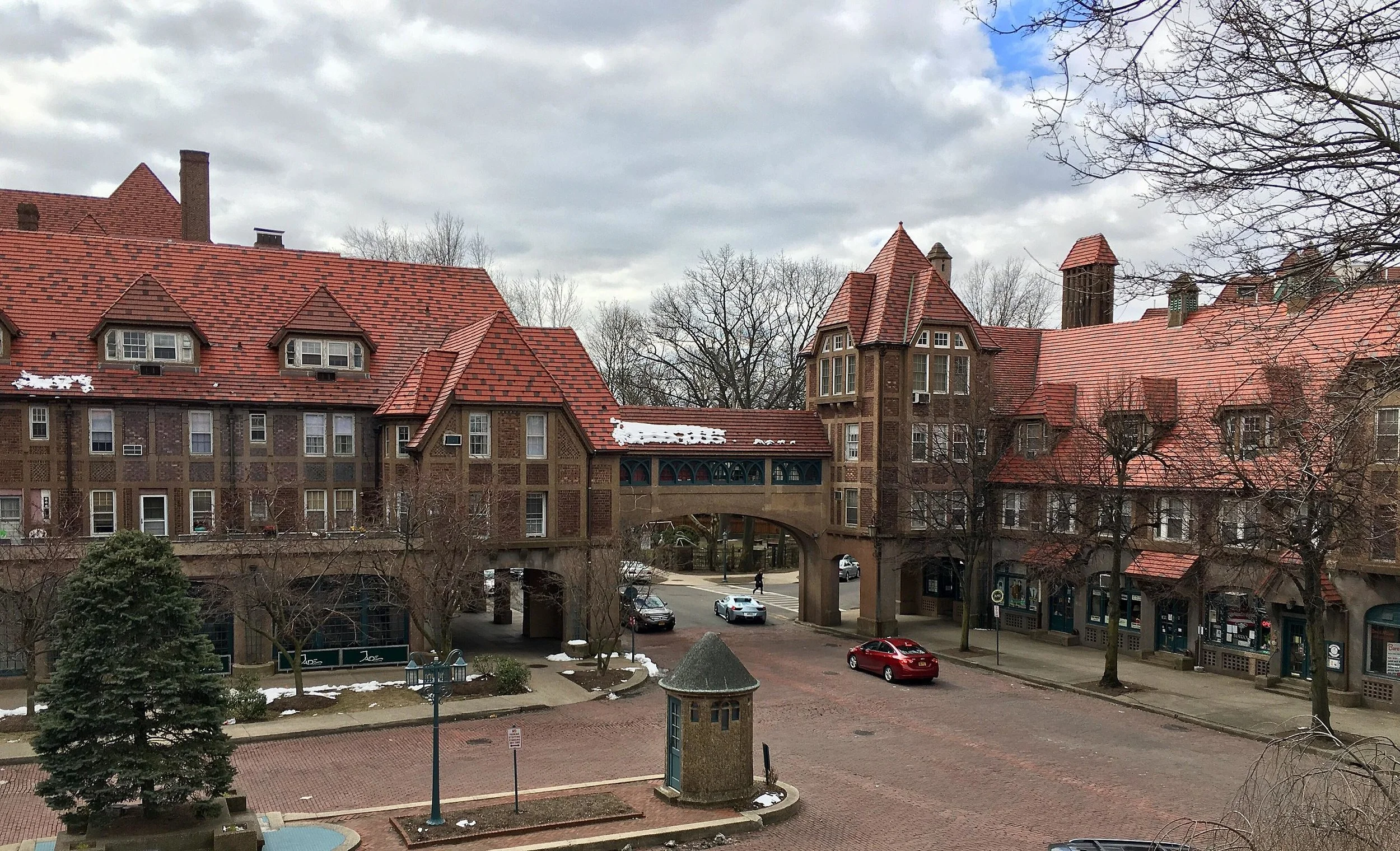
A group of residents at the Forest Hills Gardens Corporation are running to unseat the current co-op board and disagree with ongoing litigation against Forest Hills Stadium. File photo by Newyork718/Wikimedia Commons
By Ryan Schwach
A battle is brewing within the Forest Hills Gardens Corporation, a wealthy suburban enclave nestled in Central Queens that has been locked in a legal fight with Forest Hills Stadium over concert noise and other alleged chaos brought about by the shows.
But after several years fighting in the courts, a new fight is coming from inside the house.
Last month, a coalition of Forest Hills Gardens residents launched an insurgency against the current FHGC board. They say new leadership of the private neighborhood is needed to drop the expensive suits and move on from the conflict.
“The reason that we're running is because this board is completely out of control with spending and with a total lack of transparency for the neighborhood,” said Brittany Russell, one of the community members running on a slate of seven to replace the current board.
Russell and her fellow insurgents claim the current board isn’t acting on behalf of the residents, despite saying they are.
“I think it's a small group of homeowners that sit on the board who have really exceeded their authority to act on our behalf and to spend our money,” she said.
The residents of Forest Hills Gardens vote on the board’s leadership in December.
Over the last few years, the Forest Hills Gardens Corporation has filed suits against Forest Hills Stadium and West Side Tennis Club, over concert noise, stadium crowds and the use of private streets.
They are also suing the city in federal court arguing that by continuing to close off private streets to manage large stadium crowds residents have been blocked from freely using their property. Unlike other streets throughout the five boroughs, Forest Hills Gardens’ streets are not owned by the city.
“Each time the city closes FHGC’s private streets and directs 13,000 people to physically invade its property to access concerts at the Forest Hills Stadium, FHGC’s members’ lives are dramatically disrupted,” that lawsuit, filed in October, reads.
However, the slate seeking to unseat the current board, which calls itself FHG Stand Up, said the board’s litigious habits are at odds with the community.
“I personally don't think that their view on concerts matches the neighborhood's view,” Russell said. “My anecdotal experiences are that most neighbors are in favor of concerts. They think they really bring livelihood and fun to the neighborhood.”
“Maybe there is a big portion of the neighborhood that doesn't like concerts or maybe it's really just that people feel somewhere in between,” she added. “But this current board has no idea, because they refuse to survey the neighborhood that they have the fiduciary duty to represent.”
The issue is also financial for the insurgent residents, who are bothered by the $1 million spent on legal fees.
“The largest growing concern beyond everything else, is the spending on legal fees currently, which is approaching a million dollars of the community budget at this point,” said JP Evangelista, another resident.
Residents told the Eagle the legal bills now exceeded one million.
In October, when FHGC filed its federal suit against the city, Evangelista said many residents were caught off guard.
“Those costs are going to balloon,” said Evangelista, who is not running for a board position. “This is not exactly a robust budget that we're dealing with every year. It's put in place to essentially maintain the community for upkeep purposes, landscaping purposes and general security.”
“We're getting no money while spending a ton of money with no real end in sight,” he added.
Members of the current board, including Matthew Mandell, who is the board’s legal chair and its pseudo-spokesperson, disagreed that there are transparency issues, and has argued that the FHG Stand Up folks have ulterior motives.
Mandell has made the case that some of the insurgent residents belong to West Side Tennis Club, the stadium’s operators, and are closely aligned with it.
“The West Side Tennis Club gets money from the concerts, and I was told that somebody just gave a speech at their last meeting about how the concerts keep their dues lower,” he told the Eagle. “So it's not surprising to me that people that are members of the West Side Tennis Club want the concerts to keep their dues lower.”
The tennis club held a “meet the candidates” night on Wednesday, and hosted the members of the new FHG Stand Up slate, which it supports.
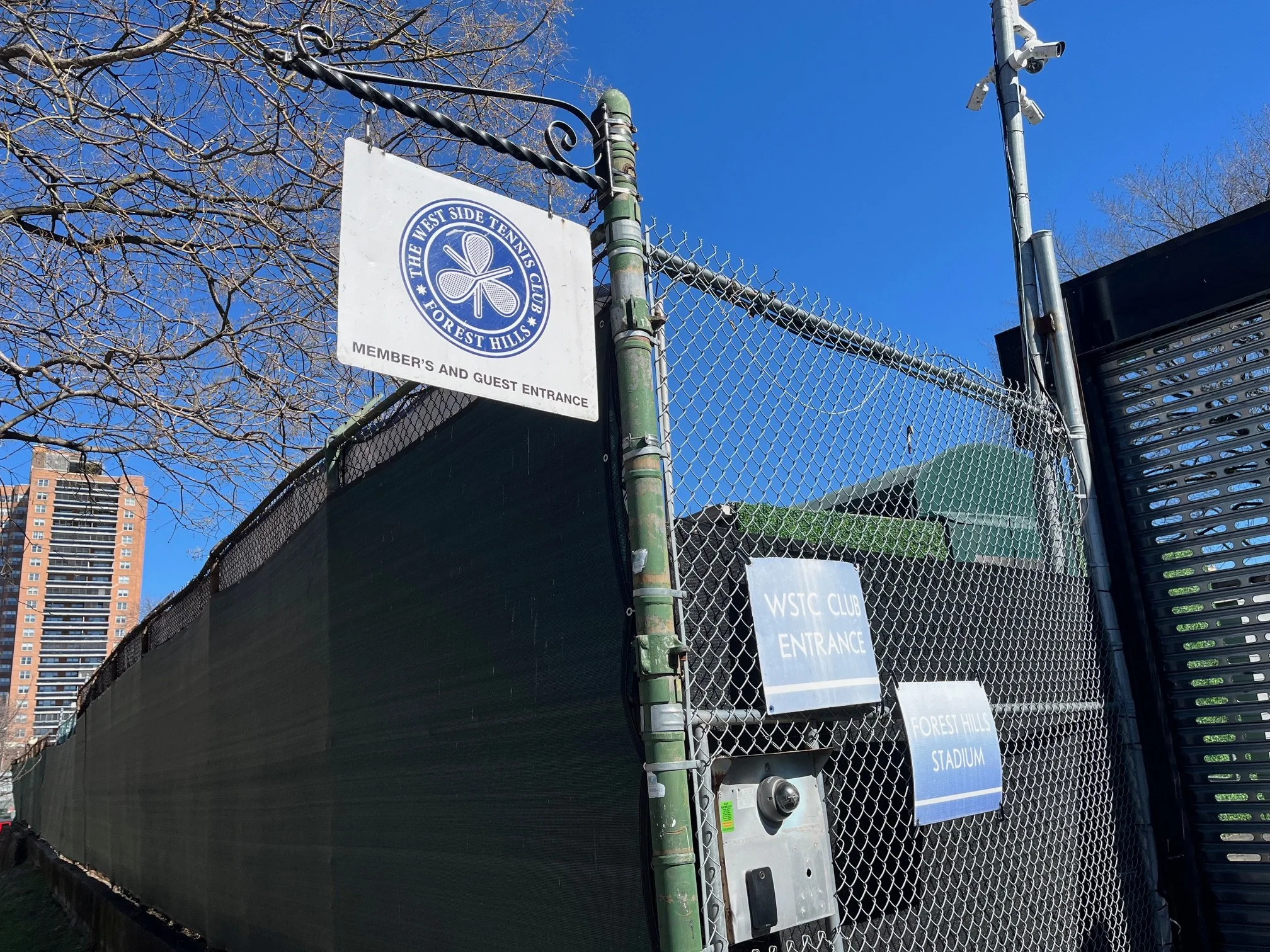
The Forest Hills Gardens Corporation has fought West Side Tennis Club, which operates Forest Hills Stadium, for several years. Eagle file photo by Ryan Schwach
“This group of candidates are committed to meaningfully resolving ongoing litigation out of court – not at all costs, but through a reasonable, practical, and community-minded resolution to both the lawsuit against WSTC and the separate litigation FHGC has brought against the City of New York,” the tennis club said in an email to members obtained by the Eagle. “We believe their approach offers a constructive path forward and a way to end years of division and escalating expenses.”
The letter describes FHG Stand Up as a “resident-driven group formed initially by WSTC members,” adding that the group has grown since its inception.
“Their goal is to bring forward meaningful change in how the FHGC Board operates,” the letter continued. “Our community is not monolithic, and recent actions by the current FHGC Board do not reflect the diverse perspectives of the many residents who call this neighborhood home.”
Mandell argued the club’s support of the slate is evidence of their close association and motivations.
“They don't want the gardens to sue their tennis club, it's very simple,” Mandell said.
Russell and Evangelista belong to the West Side Tennis Club, as does one other member of the seven-person slate who is running to unseat the current board, but the majority are not. A handful of them previously served on FHGC’s board
More than half of the over 300 people signed on the FHG Stand Up’s list are not club members, according to Evangelista.
“We tried to put together a slate that is diverse to make sure we are representing the community as a whole,” said Laura Singh, a community member running on the seven person slate who is not a tennis club member.
She said she has never even attended a concert at the stadium.
“We are community members who care about our community, we are here to save our community,” she said.
For her, it's not just about the concerts, though.
She claims that the current board can often be unresponsive when addressing community issues like security.
“You will not get a response, that’s one of the reasons we are getting a lot of support,” she said.
“They seem to only have capacity and attention for one thing, and that’s suing the stadium and the city.”
Forest Hills Gardens Corporation votes on a new board on Dec. 11.
Previous versions of this story identified the group as FHGCStandup, this has been corrected. It is correctly identified as FHG Stand Up.