Judges call for gov to sign ‘Death Gamble’ bill
/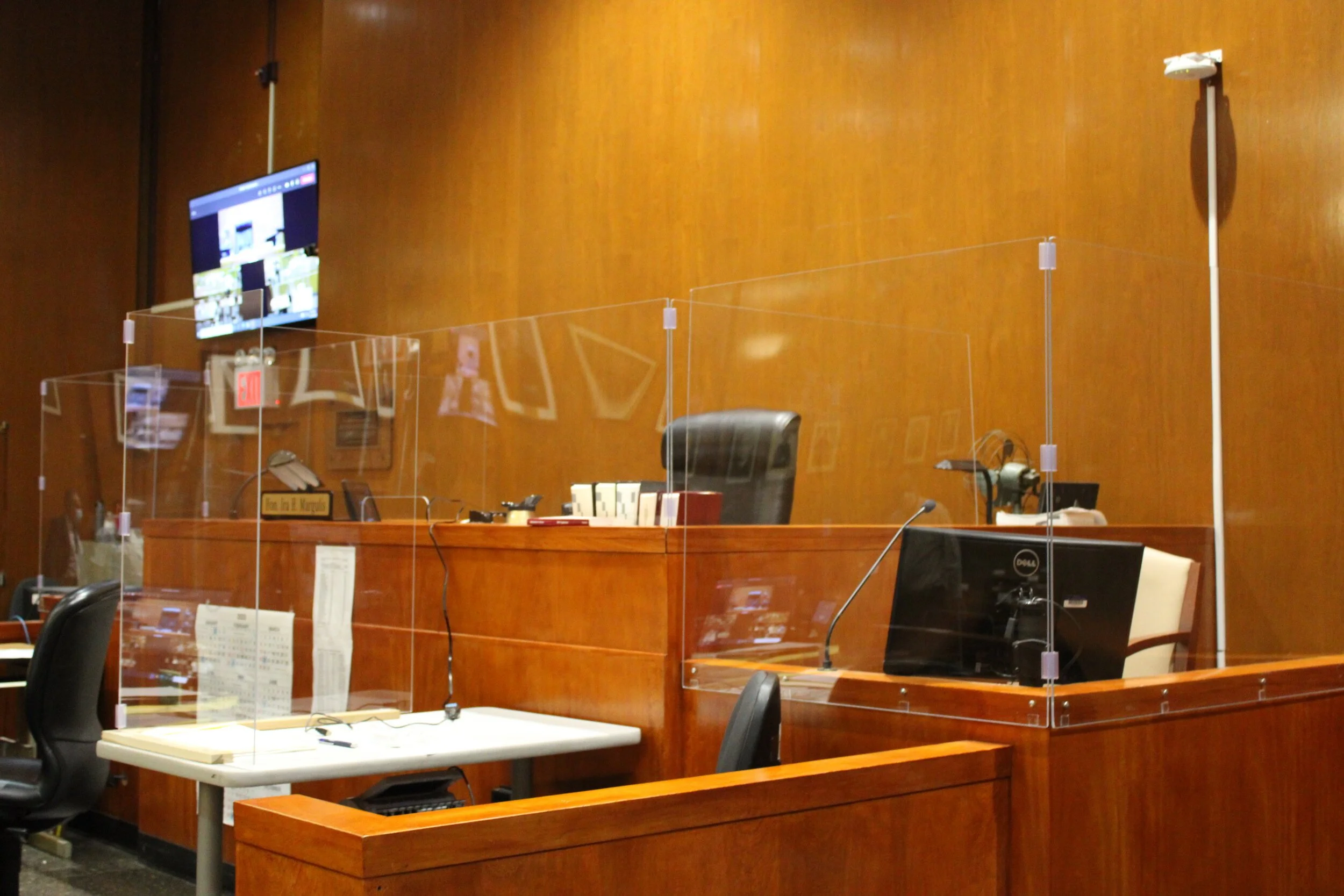
Judges are calling on Governor Kathy Hochul to sign a bill that would entitle their families to better benefits should they die in office. Eagle file photo by David Brand
By Ryan Schwach
Judges are calling for the governor to sign a bill that would put an end to the “death gamble” they say they face as their retirement approaches, forcing them to retire early for the sake of their family’s financial future.
The bill, nicknamed the “Death Gamble bill,” currently sits on Governor Kathy Hochul’s desk awaiting her signature. Should it become law, it would make it so judges who die while in office would still get the same benefits they would have gotten had they retired before their death.
Supporters of the legislation say that the current state of affairs leads judges to retire early rather than continuing to serve out their full term because they worry that if they worked into their 70s and died while in office, their family would not be eligible for the same amount of benefits.
Currently, the families of judges who died while still on the bench receive a lump sum benefit, which reduces 4 percent each year after the judge turns 60, and is often not as large as in-service pension benefits.
Beneficiaries can choose to receive the payment in a lump sum, which would be equal to the pension reserve that would have been established had the judge retired on the date of their death. If the value of the death benefit and the reserve-for-increased-take-home-pay is greater, the beneficiary would receive that instead.
“State-paid judges and justices deserve death benefits even if they are not retired,” the bill reads. “They work for it, so their beneficiaries rightfully deserve it.”
The legislation – sponsored by Bronx legislators State Senator Luis Sepúlveda and Assemblymember Yudelka Tapia – was passed by the legislature in June and was delivered to the governor on Dec. 2.
The governor has until Friday, Dec. 13, to sign or veto the bill.
Hochul’s office said she is reviewing the legislation.
Judges, including some in Queens, are lobbying hard for the bill to become law.
“We are basically at the mercy of the governor,” said Queens Supreme Court Justice Carmen Velasquez, the president of the Supreme Court Justices Association of the City of New York.
“As judges, which is the third branch of the government, if we die on the job, we don't get the retirement benefits that we put in,” she added to the Eagle.
Members of the judiciary say the situation often winds up leaving older judges with a tough decision – continue working, or protect their family.
“We don't ever want to make that choice,” Velazquez said. “No one should make that choice.”
Judges, particularly Supreme Court judges, often enter the role later in life, a key reason judicial groups called for the law to be changed.
In October, 60-year-old Nassau County Supreme Court Judge Dawn Marie Jimenez-Salta died on the Long Island Expressway in a motorcycle accident while she was still serving on the bench.
Her family will not be getting the same compensation they would have received if Jimenez-Salta had retired, Velasquez said.
“She left a little girl…and that 10-year-old little girl is not going to get her mom's pension, even though she worked really hard,” Velasquez said.
While Jimenez-Salta’s death was not related to her age, the judges say it is an example of worries jurists face when considering the future of their families.

Nassau County Supreme Court Judge Dawn Marie Jimenez-Salta died in October while in office, which means her family will not be getting the same compensation they would have received if she had retired. Brooklyn Eagle file photo by Mario Belluomo
“We hope the governor understands that this is harsh reality for us judges to live in a situation where we love our work, we love to come to this bench and be a public servant and provide justice,” she added.
Former Queens Supreme Court, Civil Term administrative judge and state elected Jeremy Weinstein told the Eagle in June that when he retired in 2019 at the age of 69, he was – at least somewhat – taking that “death gamble.”
“There were a myriad of reasons for me leaving, but that was in the back of my mind, as well,” he said in June.
While the bill wouldn’t completely fix the issue, it is a step, Velasquez said.
“It really doesn't fully protect the judges, but it ameliorates the effect,” she said.
The Office of Court Administration is in strong favor of the bill, and, should it pass, will absorb the cost.
“This amendment will help ensure New York State is able to retain its most experienced jurists on the bench who otherwise could be forced to choose between their families’ financial security and continued public service,” OCA Spokesperson Alfred Baker said.