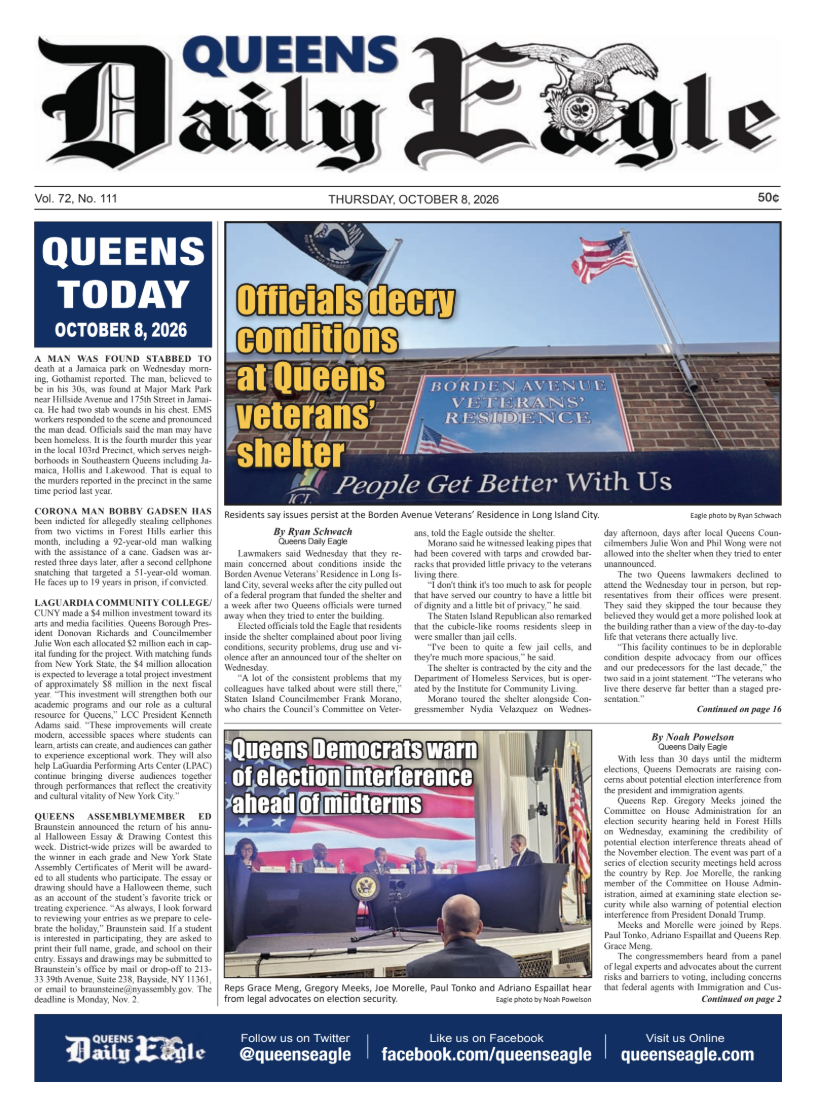
LIRR strike causes massive headaches in Queens
/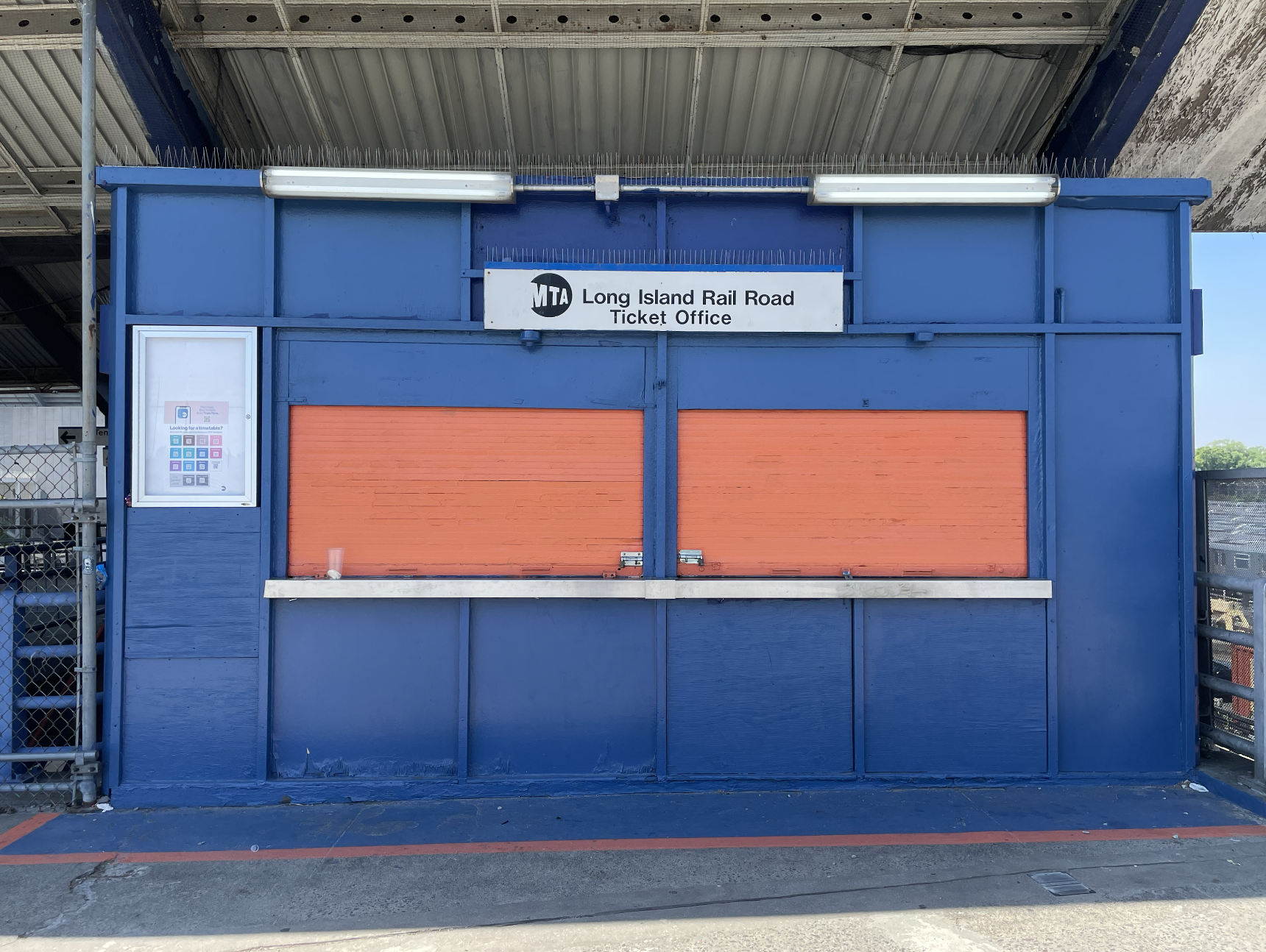
The LIRR strike strained commutes for locals in Queens. Eagle photo by Jacob Kaye
By Ryan Schwach
Queens, home to four times as many LIRR stations as the rest of the boroughs combined, felt the pain on Monday as the LIRR workers’ strike entered its third day – and first weekday.
The halting of the busiest commuter rail line severely hampered transportation for thousands of Queens commuters who depend on the LIRR to get to work, causing disruptions for travelers across the borough.
Queens is home to 24 LIRR stops, from Far Rockaway to Long Island City. In some sections of Eastern and Southern Queens, the rail is among the best options to commute to Manhattan.
Though a deal was struck between the unions and the MTA late Monday evening, service disruptions will continue through noon on Tuesday.
To mitigate the loss of service, the MTA began running shuttle buses to and from areas around LIRR stations, including the Long Island City and Jamaica stations.
“We ran a robust shuttle bus operation from points on Long Island to Queens, with MTA staff helping direct thousands of riders to their destinations,” the MTA said on social media on Monday afternoon. “We want to thank our customers. In these extraordinary circumstances, your patience is truly appreciated.”
Long Island’s NICE buses were running extra service from Nassau to Queens.
Subway trains were packed in Queens over the weekend. The crowded conditions continued into Monday.
In Central Queens, where there are LIRR stations in Kew Gardens and Forest Hills, the Department of Transportation and the NYPD ran a traffic management center to deal with an expected increase in vehicular traffic.
Councilmember Lynn Schulman said the NYPD will be along major roadways around the stations and that city agencies will be aiding riders and policing parking garages.
“Hundreds of thousands of commuters — workers, students, patients, families — woke up today without the transit lifeline they depend on,” said Schulman. “In my district, the Forest Hills and Kew Gardens stations serve as vital connections to the rest of the city and Long Island. That connection is now severed, and my constituents are feeling it.”
For many in communities in Eastern Queens, where the closest subway station is miles away, the LIRR is often the best option to get to Manhattan.
Queens Borough President Donovan Richards said those Queens locals were “essentially stranded.”
The LIRR also affected commuters in Jamaica, home to a large LIRR station.
“For many residents in Southeast Queens and other transit underserved communities, the LIRR is not a luxury or secondary option,” said local Councilmember Nantasha Williams. “It is a critical part of how people get to work, school, medical appointments, and care for their families every day. A disruption like this has an immediate impact on working people who are already navigating long commutes and limited transportation options.”
While the strike has largely come to an end, its economic impacts were felt.
New York State Comptroller Thomas P. DiNapoli estimated the strike could cause up to $61 million in lost economic activity each day, based on analysis from his office.
“This is a really, really tough one to swallow as a business person, and one who represents thousands of businesses in Queens County and beyond,” said Queens Chamber of Commerce CEO Tom Grech. “A large number of Long Islanders come to play and work in the five boroughs, and vice versa.”
“If they can't get to work from Long Island, there's going to be an impact that's going to be felt,” he added.
LIRR workers walked off the job Saturday night following unsuccessful negotiations on a new contract between unions representing employees and the MTA. It was the first time LIRR workers had gone on strike since 1994.
An agreement was reached between the unions and the transit authority late on Monday. The details of the agreement were not immediately known.
Governor Kathy Hochul announced the agreement on social media.
“Tonight, the MTA reached a fair deal with the five LIRR unions that delivers raises for workers while protecting riders and taxpayers,” she said. “I’m pleased to announce that phased LIRR service will resume beginning tomorrow at noon.”