Appeals court deals blow to Queens man seeking to clear name after decades in prison
/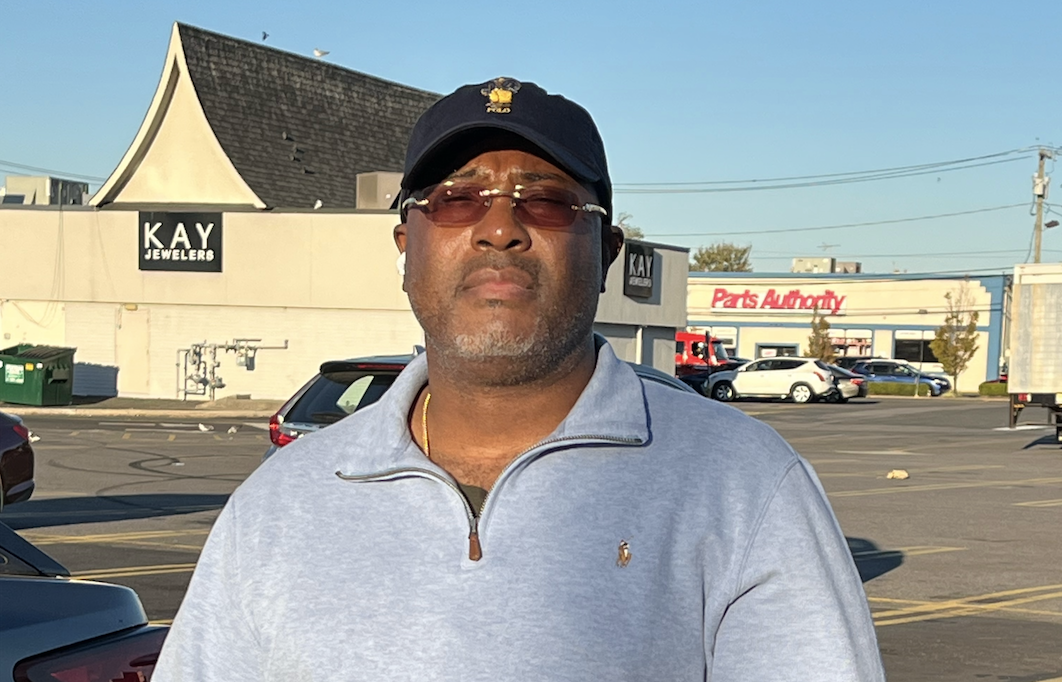
Chad Breland’s conviction for a 1995 robbery remains after an appellate court reversed a Queens Supreme Court judge’s order for a new trial to take place. Photo courtesy of Breland
By Noah Powelson
Nearly 30 years ago, a jury found Chad Breland guilty of two Far Rockaway home invasion robberies, despite his claims that he did not commit the crimes.
He was sentenced to two consecutive 15-year prison sentences – or 30 total years behind bars – and spent decades researching the law and working with his attorney to try to prove his innocence.
A breakthrough came in 2020 when Queens District Attorney Melinda Katz’s then-newly created Conviction Integrity Unit found new evidence in the case – fingerprints on the windows of one of the homes burglarized. Testing later revealed that the fingerprints matched those of a criminal informant working for the NYPD at the time, the same informant who told detectives that Breland was involved in both robberies. The Queens DA’s office worked with Breland’s attorney to eventually overturn his conviction for one of the robberies, but not the other.
When the conviction was overturned, Breland had already served 26 years in prison, thereby completing the first sentence by over 11 years, and was released soon after in 2021.
But the conviction for the first robbery, which took place on Nov. 13, 1995, remained on Breland’s record – and he has spent the years following his release trying to clear his name.
Breland and his attorney made some progress toward that goal in 2023 when Administrative Judge of the Queens Supreme Court, Criminal Term Michelle Johnson ordered a new trial to take place.
But Breland hit a snag this past Wednesday when an appellate court reversed Johnson’s decision.
The Appellate Division, Second Judicial Department sided with the Queens DA’s appeal of Johnson’s ruling on Wednesday, and dismissed the Queens judge’s order that overturned the conviction of 56-year-old Breland.
In her 2023 decision, Johnson found there was a reasonable possibility that the tainted evidence leading to Breland’s conviction on one robbery could have a “spillover prejudice” effect on the jury, influencing their verdict for the other robbery. Part of the decision was based on the fact that the criminal informant, whom Johnson referred to as a “primary witness” in her decision, pointed the finger at Breland in both robbery cases.
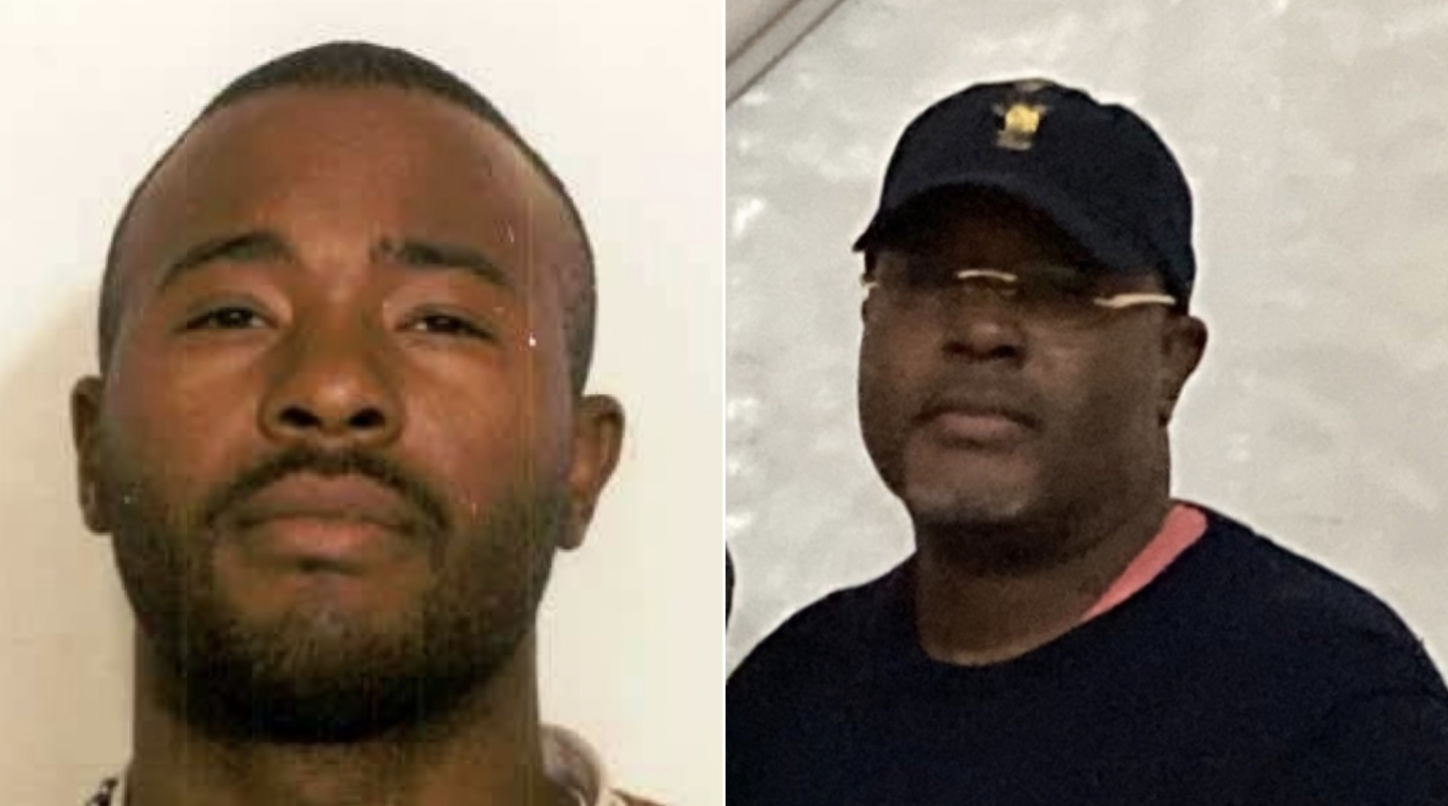
Chad Breland was 26 years old at the time of his arrest and 52 years old at the time of his release. Photos courtesy of Bonus and Breland
But the appellate court on Wednesday ruled that Johnson erred in that assessment because the informant did not testify during the trial and could not be considered a key witness.
They also agreed with Assistant District Attorney Christopher Blira-Koessler, who argued prosecutors had other evidence placing Breland at the scene of the Nov. 13 crime, including statements Breland made during his arrest and witness identification. Blira-Koessler argued that because the two robberies had many distinct differences, a spillover argument doesn’t hold water.
"In reality, these two sets of crimes, other than being generalized home invasions, couldn't be more different in terms of place, time, witnesses, defenses, the involvement of the [confidential informant]," Blira-Koessler said during oral arguments. "What we do have is a very strong ID. What we do have is two statements from Mr. Breland, one of which he confirmed at trial. And what we do have are two cases that could not be more dissimilar. That's why there is no spillover, and that's why the lower court's decision should be reversed."
The appellate court ultimately found there was no “reasonable possibility” that Breland’s wrongful conviction for one robbery could have had a spillover effect on the jury’s verdict for the other robbery. As such, it granted the Queens DA’s appeal.
A spokesperson for the Queens DA office said the office was “reviewing the decision.”
Breland now maintains his felon status, and the legal fight continues. Speaking with the Eagle, Breland’s attorney, Justin Bonus, said he was preparing for the opinion issued last week but was still let down.
"I'm disappointed with the decision," Bonus told the Eagle. "There's no question in my belief that Chad is innocent of both [robberies]."
A new trial and eventual verdict would only determine if Breland keeps his felon status. He has already served his original sentence, and would remain free even if a new jury convicted him again.
Wednesday’s decision is not the end of Breland’s legal fight. While the appellate court didn’t grant Breland a new trial, it did remit his case back to Queens Supreme Court to address other outstanding legal issues.
When Bonus first filed a motion to overturn Breland’s conviction back in 2022, he argued that newly discovered evidence regarding Breland’s arrest required a new trial. He also argued that the prosecution withheld at the time evidence that could have been favorable to Breland’s case, requiring the conviction to be vacated.
Johnson did not make a ruling on those issues in her original decision, as she already ruled for a new trial because of the prejudice spillover issue. The appellate court ordered a new hearing to take place to address those issues, among others, and the outcome could have significant effect on the rest of the case.
Bonus said he was currently considering whether to appeal the case to the Court of Appeals.