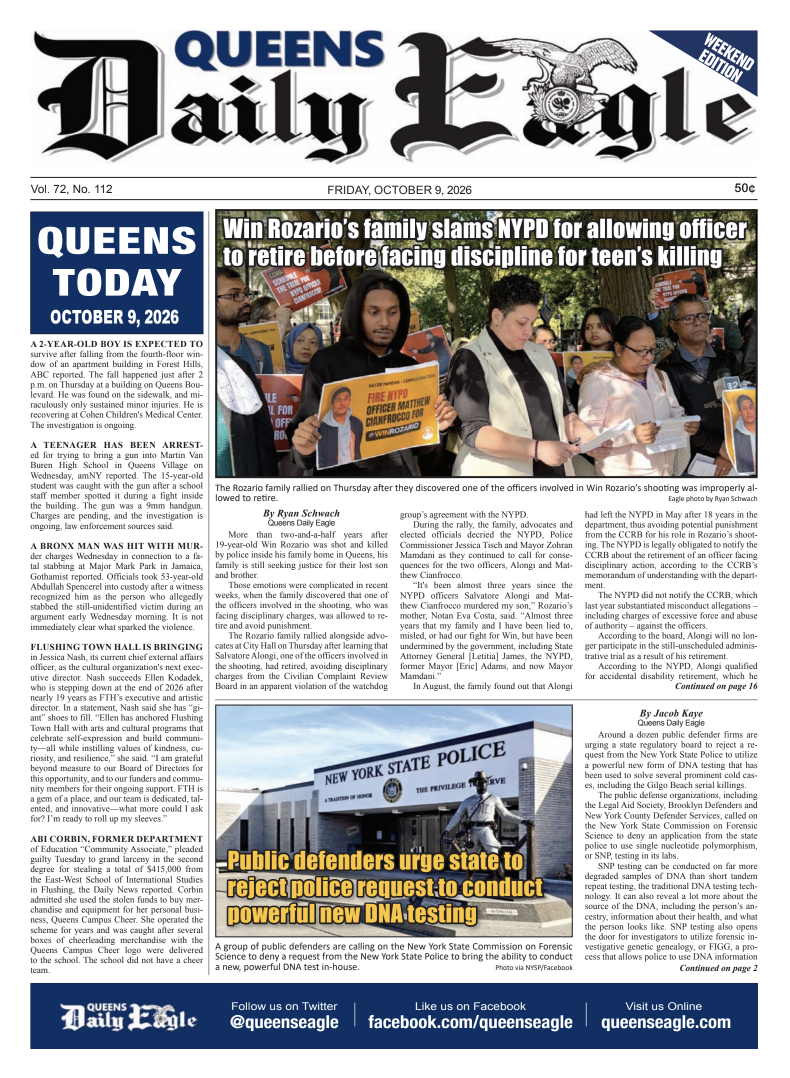
After wrongful conviction ruling, Queens man to again face trial for murder of estranged wife
/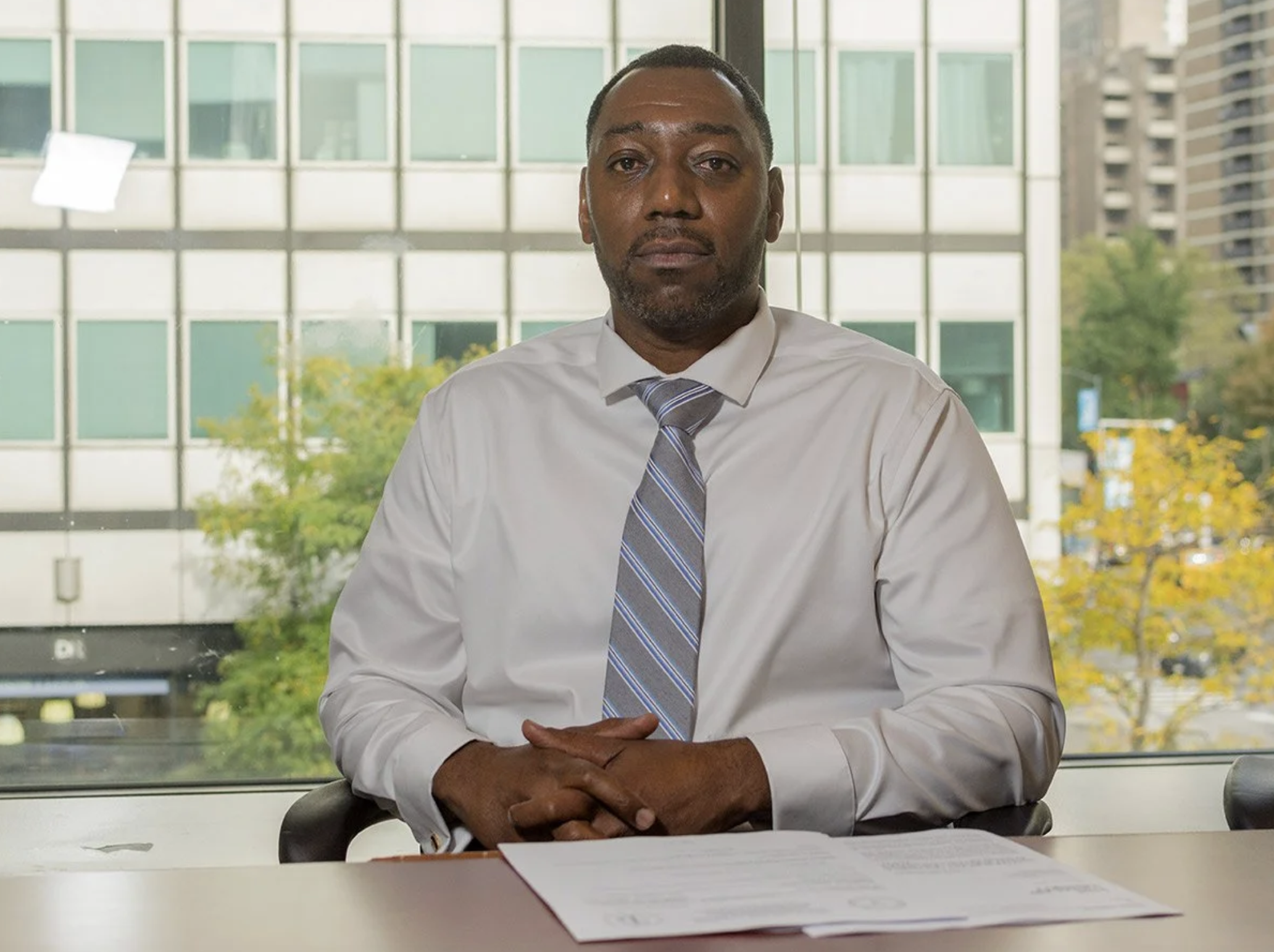
Michael Robinson will head to trial for the second time for the alleged killing of Gwendolyn Samuels, his then-estranged wife. File photo via The Legal Aid Society
By Jacob Kaye
Michael Robinson served 26 years in prison for the murder of his estranged wife, a crime he has long claimed he didn’t commit.
Next week, he’ll face trial for the murder again.
It will be the second time Robinson has faced a jury as Queens prosecutors accuse him of killing Gwendolyn Samuels in the Bayside home where she worked as a home health aide in 1993.
Regardless of the outcome, Robinson faces no prison time, having already served over a quarter century behind bars for the crime. At most, the trial will potentially offer closure, either to Samuels’ family, some of whom still believe Robinson killed their relative, or to Robinson, who has an opportunity to definitively clear his name after attempting to do so for years.
For over three decades, the Queens district attorney’s office has maintained that Robinson stabbed Samuels to death in a jealous rage after learning she was pregnant with her new boyfriend’s child.
The DA’s office stood by the accusation even after an appeals court found in 2023 that he had been wrongfully convicted.
In their ruling, the judges said that new DNA evidence found under Samuels’ fingernails not belonging to Robinson would have likely changed the outcome of the original trial had it been presented to the jury at the time.
For decades, Robinson has said his arrest, conviction, prison sentence and retrial were the result of mistaken identity.
With no physical evidence tying him to the scene, Robinson was convicted solely on the testimony of then-89-year-old Elvina Marchon. But Robinson’s attorneys believe Marchon confused him with Samuels’ new boyfriend.
Such a mistake was plausible, the appellate court found.
Marchon was going blind at the time of the killing, which unfolded inside her home, and both men, while not related, shared a last name.
Marchon has long since died but her testimony will likely remain central to the Queens DA’s case against Robinson.
The trial may well mark the end of a legal saga that has snaked through state and federal courts for 33 years.
But if the case’s history is any indication, there’s no guarantee. Each time the case has appeared settled, a new wrinkle has emerged.
Both the Queens district attorney’s office and Robinson’s attorneys with the Legal Aid Society declined to comment for this story citing the upcoming trial.
An unsettled case
Robinson had been separated from his wife for around a year when she was stabbed multiple times while at work in Marchon’s Bayside home on Jan. 11, 1993.
During the original trial, Marchon said that she rushed upstairs after hearing Samuels scream to find Robinson stabbing his estranged wife with a butcher knife. When the elderly woman attempted to stop the attack, Robinson slashed her, Marchon testified.
Robinson was arrested the day of the killing.
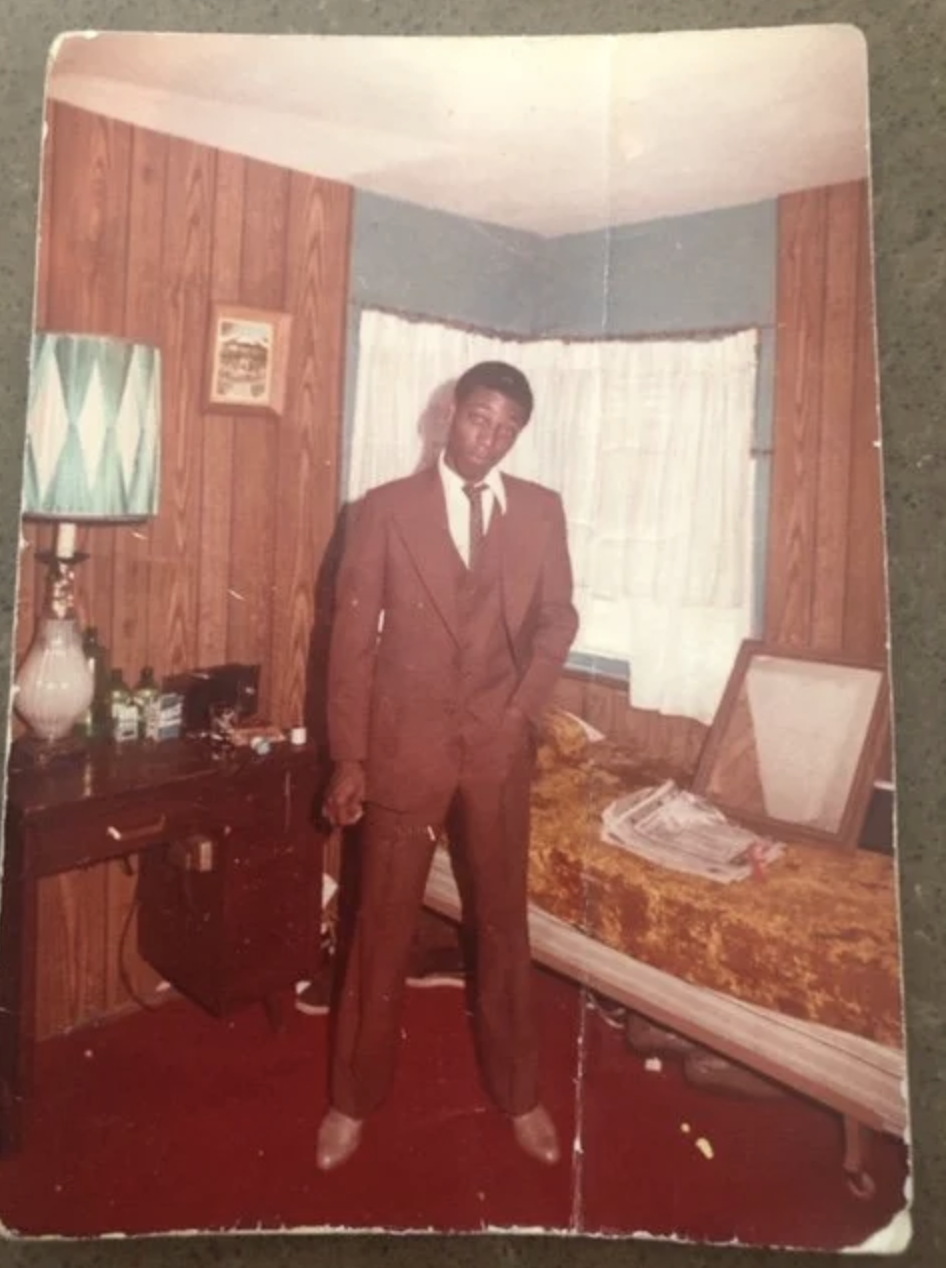
Michael Robinson before his original 1994 conviction. File photo via The Legal Aid Society
During his trial, Robinson’s attorneys argued that it was Jermaine Robinson who committed the murder. They pointed to the fact that he had been previously convicted of criminally negligent homicide, and that he had allegedly abused Samuels in the past. Jermaine Robinson denied the allegation.
The jury didn’t buy the mistaken identity argument and found Robinson guilty of murdering Samuels in 1994.
Robinson quickly got to work on an appeal and told a panel of judges in the Appellate Division, Second Department in 1997 that his trial had been tainted by prosecutorial misconduct. His conviction was upheld.
Two years later he attempted another appeal, but a Queens judge denied the motion.
Robinson then went to the federal courts, where a judge denied his habeas corpus motion but said a Queens judge should review Robinson’s claim that he had an ineffective lawyer during his trial. The motion was later denied in Queens Criminal Court.
It wasn’t until 2013, as Robinson approached the end of his sentence, that he discovered the evidence that would lead to the vacatur of his conviction.
After submitting a Freedom of Information request, Robinson received a box of items related to his case. Among the items inside was a police report that indicated that there was additional DNA evidence not presented at trial, including blood stains, hair and nail scrapings.
Though a Queens judge rejected Robinson’s request to have the DNA tested, the appellate court later reversed the decision.
But then another roadblock emerged – Robinson and his attorneys were told that the evidence they were looking for no longer existed. It had been lost when the building it was being held in sustained damage during Hurricane Sandy, they were told.
But after two years of hearings to determine whether the damaged evidence could still be tested safely, the Queens district attorney’s office told the judge that the evidence was actually not in the flooded facility, but instead with the office of the chief medical examiner.
Though the OCME tested the evidence and said they could not rule out that male DNA found in Samuels’ fingernail scrapings belonged to Robinson, a private lab reached a different conclusion. The lab, Cybergenetics, determined that it was 78 trillion times more likely that Robinson was not the killer, a finding the OCME, which conducted further testing, later agreed with.
Armed with the results, Robinson asked a Queens judge to vacate his conviction.
His motion was denied.
Then, in 2023, around four years after he had completed his sentence, the Appellate Division, Second Department found the judge had improperly rejected the motion, ruling that Robinson had been wrongly convicted.
At the time, Robinson told the Eagle that the ruling was “a long-awaited decision that we've been looking for for 30-plus years.”
In addition to the DNA evidence, the appeals judges said Marchon’s testimony, which made up the entirety of the evidence against Robinson presented at trial, was shaky.
She had trouble identifying Robinson in a line up and again at his trial.
“Under the facts of the case, it would not have been unreasonable to conclude that Marchon confused Samuels's estranged husband with her current boyfriend in making her identification to the police,” the ruling read.
Though Robinson told the Eagle at the time that he was hopeful the wrongful conviction ruling would put an end to his case, he was wrong.
The Queens district attorney’s office asked the Court of Appeals to reverse the Appellate Division decision, but the top court refused to take up the case.
Six months after the conviction was overturned, Queens prosecutors said they would retry Robinson for the 1993 murder.
In the three years that have followed, Robinson, his attorneys, prosecutors and members of Samuels’ family have appeared in Queens Criminal Court 25 times in preparation for the trial. In all, Robinson has appeared in the court on Queens Boulevard over 110 times.
Jury selection in the upcoming trial is expected to begin toward the end of next week.
Whether or not the trial provides a true conclusion to the case remains to be seen.
“It's been a long journey,” Robinson told the Eagle in 2023. “I'm just waiting to get over this last hump.”