
City unveils plan to comply with jail oversight rules, solitary confinement ban
/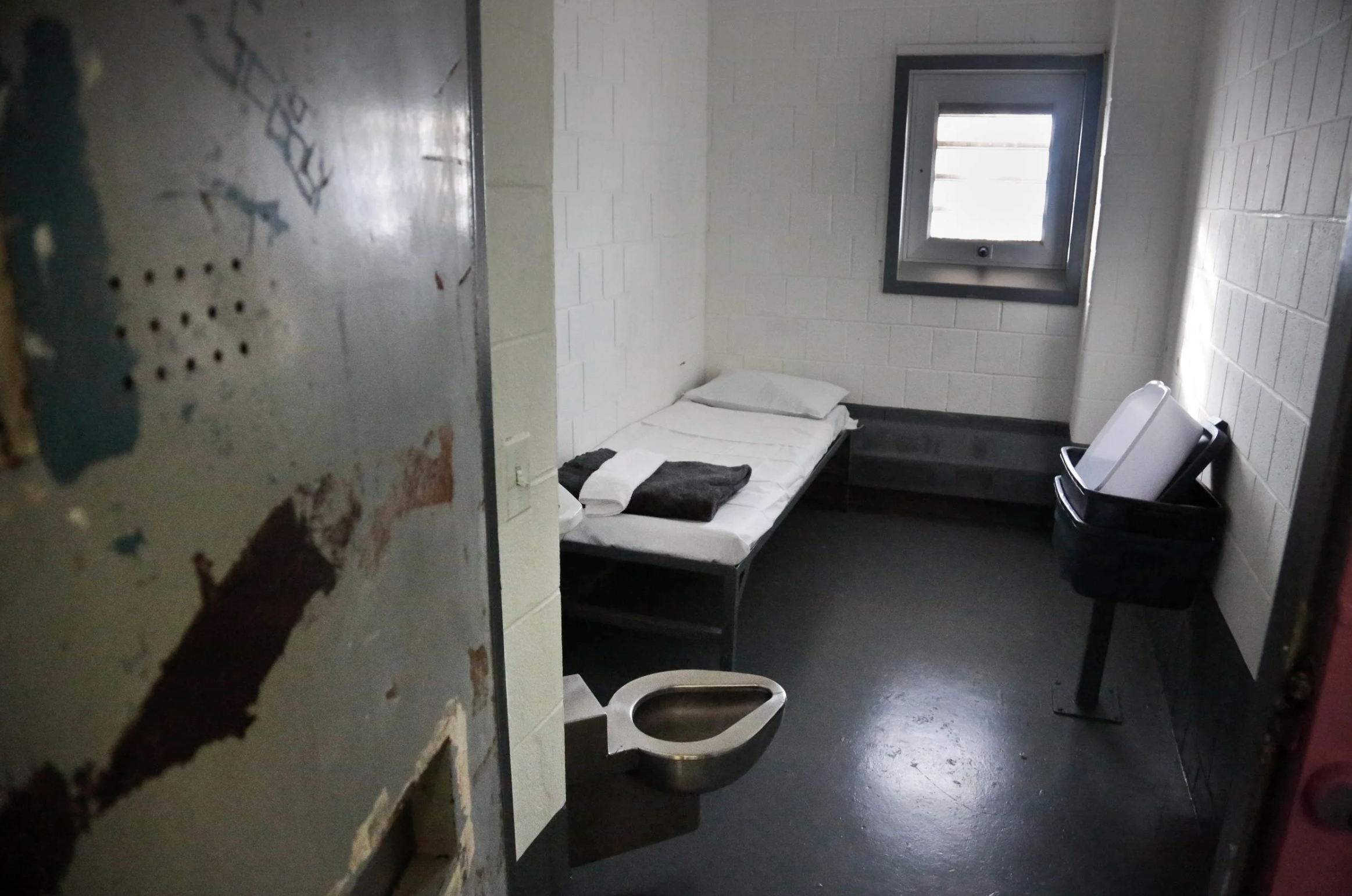
The Mamdani administration last week released a plan that it says will guide the city toward implementing a law banning solitary confinement on Rikers Island. AP file photo by Bebeto Matthews
By Jacob Kaye
City Hall last week unveiled a plan it says will finally bring the city into compliance with long-suspended jail oversight rules and a local law banning solitary confinement on Rikers Island.
The action plan, released Thursday by Mayor Zohran Mamdani, outlines roughly a dozen strategies aimed at meeting the Board of Correction’s minimum standards and implementing Local Law 42, the 2024 measure prohibiting solitary confinement in the city’s jails.
While the law has been on the books for over a year and a half, a mayoral executive order first passed by former Mayor Eric Adams and continued by Mamdani has kept the Department of Correction from implementing it – a federal judge has also barred the city from putting the law into practice, warning it would make the jails more dangerous. Similarly, an executive order passed in the final days of former Mayor Bill de Blasio’s administration and continued by both Adams and Mamdani has given the city a legal workaround to skirt the BOC’s minimum standards.
During his first week in office, Mamdani ordered Steve Banks, the city’s corporation counsel, to help bring an end to the emergency executive orders by bringing the city into compliance with the number of laws, rules, and regulations that have gone ignored for more than four years.
Mamdani called the resulting plan “a decisive step to improve conditions and move our jail system toward long-term stability and safety for those in custody and correction staff.”
“For too long, city government allowed entrenched problems and operational breakdowns to persist,” Mamdani said in a statement. “This plan shifts us away from temporary stopgaps and toward sustainable reform.”
Should the city stick to the action plan, 12-hour shifts for correctional officers will come to an end by March and officers will again be suspended for going AWOL or abusing sick leave by the spring.
Some of the items have already taken effect, including the reversal of the suspension of DOC procurement rules.
But other items in the plan don’t have as clear a timeline, to no fault of the city.
Any implementation of Local Law 42 will require the approval of federal Judge Laura Swain, her federal monitor Steve Martin, and Nicholas Deml, who last week officially began his job as remediation manager, a powerful new position that will have major control over the day-to-day operations of the DOC and its jails on Rikers Island.
Swain ordered the city to halt the law’s implementation in July 2025, to the support of the Adams administration.
Adams vetoed the bill when it was passed by the City Council in the final moments of the 2023 legislative session.
The law prevents incarcerated individuals from being held in an isolated cell for more than two hours per day within a 24-hour period and for more than eight hours at night directly after an alleged offense occurred – the confinement would be referred to as a “de-escalation” period. Should corrections officials determine that further confinement is required to de-escalate a situation, an incarcerated person could be held for up to four hours total in a 24-hour period. The bill would also require that staff meet with the incarcerated person at least once an hour to attempt to de-escalate the situation.
Though the Council overrode Adams’ veto, the mayor passed the emergency executive order just before the law’s implementation, putting the law on ice. Its implementation was further complicated a year later when Swain said the city “shall have no duty to comply with [Local Law 42],” and that no one should take “action to enforce” the law.
The judge’s ruling was rooted in the findings of a January report from the federal monitor, which claimed that implementation of the law would “only exacerbate the current dangerous conditions” on Rikers Island. Martin, who conducted a review of the law after the Adams administration requested one, said that he had “grave concerns about the implementation of certain problematic sections of [Local Law 42].”
Of the approximately 60 provisions included in LL42, around half have been put on hold by Swain, while the remaining provisions are either currently part of DOC’s practices or in discussion for implementation, City Hall said.
While the implementation of the stayed provisions of the law will ultimately be up to Swain, Mamdani said he had ordered the DOC to begin to develop a plan to implement those provisions, including the de-escalation period, restrictive housing requirements, a pre-hearing detention provision, and a series of provisions regulating the use of restraints.
DOC Commissioner Stanley Richards, who officially began in the role last week, said the action plan marked “an important next step in addressing issues that have festered for far too long.”
“Under Mayor Mamdani’s leadership, we are moving from crisis-driven operations to safe, sustainable jail management,” he added.
Banks said that while some of the work spelled out in the plan will require the approval of the court, the “goal is clear.”
[A]chieve compliance with Board of Correction standards, implement Local Law 42, strengthen oversight and improve conditions at Rikers Island,” Banks said.