Queens’ incoming state lawmakers back sentencing reform push
/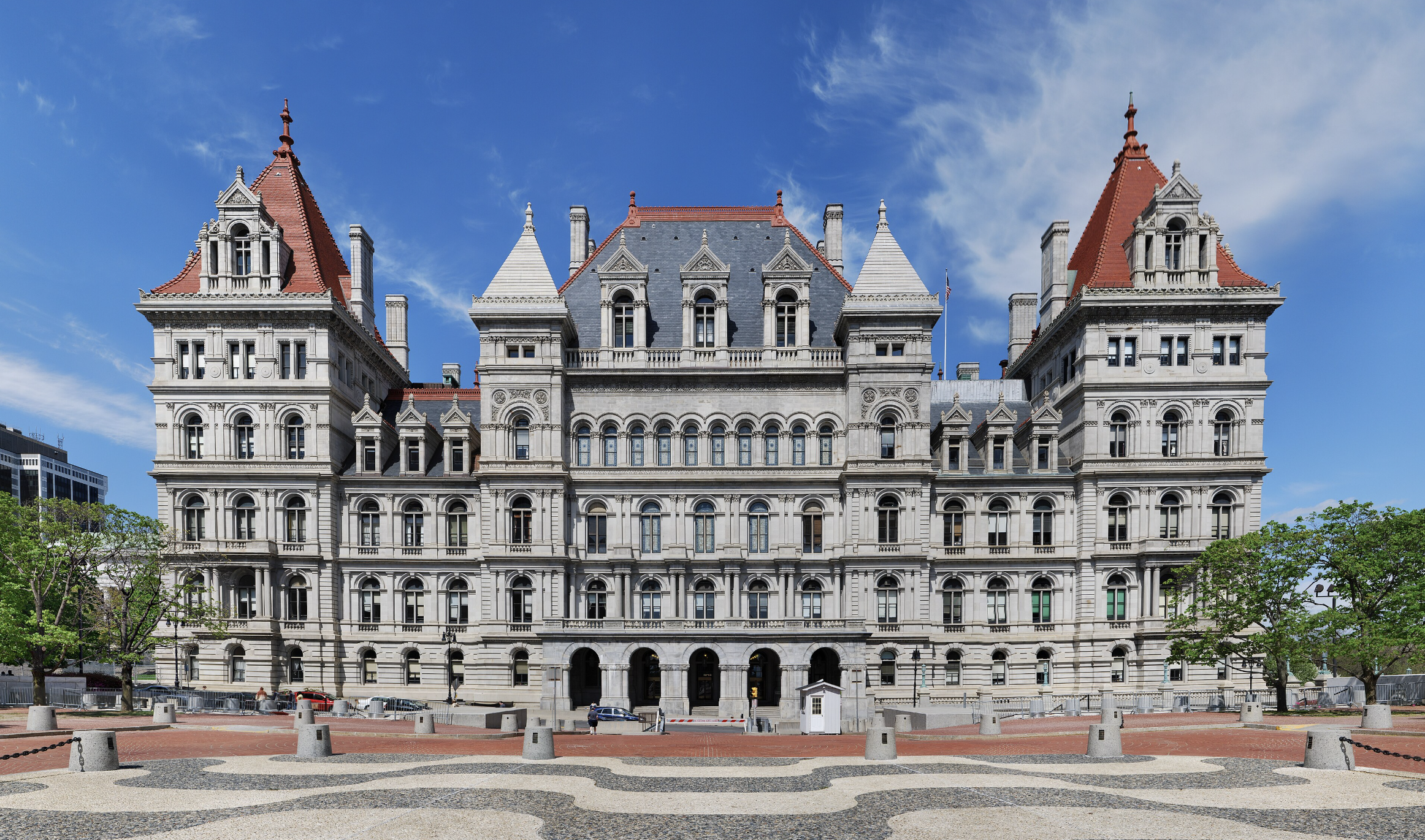
A group of incoming Queens state lawmakers vowed to support a trio of bills that aim to reform sentencing laws in New York. File photo by Matt H. Wade/Wikimedia Commons
By Jacob Kaye
A majority of Queens’ newest state lawmakers said this week that they planned to support a slew of sentencing reform bills as soon as they take the oath of office in Albany at the start of next year.
Queens State Senators-elect Jessica González-Rojas and Aber Kawas, and State Assemblymembers-elect David Orkin, Samantha Kattan, Patrick Martinez and Brian Romero said in a joint statement alongside 10 other newly-elected New York State lawmakers that they’d sign on as cosponsors to a trio of criminal justice bills that have been knocking around Albany for years.
The lawmakers and lawmakers-elect said they’d back the Second Look Act, the Earned Time Act and the Marvin Mayfield Act, all of which they said would “would move New York toward a more just, humane, and racially equitable criminal legal system by reducing excessive incarceration, restoring individualized decision-making, and creating meaningful pathways home.”
Each sentencing reform bill has been introduced three times in the state capitol, but none have made it out of committee.
The Queens officials’ support of the legislation comes as advocates prepare to push for the bills’ passage in the upcoming legislative session. Advocates, lawmakers and families of incarcerated New Yorkers are expected to rally across the state in support of the bills on Tuesday.
In a joint letter, the officials said the “reforms recognize a simple truth: true public safety requires more than punishment.”
“Safety is not achieved by warehousing people indefinitely,” they said. “It is achieved when people can return home prepared, supported, connected to their families, and able to contribute to their communities.”
Romero, who will represent parts of Astoria, Corona, East Elmhurst, Jackson Heights and Woodside when he takes office next year, said in a statement that he committed to signing onto the bills so soon after being elected because of his personal experience with the criminal justice system. Romero previously worked as a social work intern on RIkers Island and has family members who have been involved in the criminal legal system.
“I know how oppressive these systems can be,” Romero said.
“These bills can heal decades of pain and harm caused by our criminal legal system,” he added. “Still, they have languished in Albany for years, and for New Yorkers who are incarcerated – including over one hundred residents of this district – that delay has real consequences…It's time Albany focuses its attention on real reform, not further punishing people who have served their time, want to return to their communities, and participate in civil society."
All three sentencing reform bills were first introduced during the 2021-2022 legislative session and have been introduced during every session since.
Together, the bills aim to make major reforms to New York’s current sentencing practices and those of the past.
The Second Look Act would create a process for judges to review lengthy sentences after a person has served a major portion of their sentence. Under the legislation, judges would be able to consider a person’s transformation and rehabilitation behind bars, their changed circumstances and whether continued incarceration still serves the interests of justice.
The bill would create the first pathway in New York for incarcerated people to have their sentences reviewed beyond challenging their legality or seeking clemency from Governor Kathy Hochul, who has greatly reduced the number of sentence commutations she’s granted in recent years.
The bill has won praise from the state’s top judges – Chief Judge Rowan Wilson and Chief Administrative Judge Joseph Zayas. The pair spoke in support of the legislation at a CUNY Law School symposium in February.
Wilson also dedicated the entirety of his 2025 State of the Judiciary address to the reform bill.
“Overincarceration has everything to do with the courts,” Wilson said in 2025. “No prosecutor, no jury, no legislator or executive branch official imposed a prison sentence. Everyone sentenced to prison in New York was sentenced by a judge of the Unified Court System.”
Similar to the Second Look Act, the Earned Time Act would expand opportunities for New Yorkers behind bars to reduce their sentences. The bill would offer time off sentences for those who participate in education, programming and treatment. Advocates say the bill would create safer prisons by offering incentives for release, while also helping set incarcerated New Yorkers up for reentry.
The Marvin Mayfield Act would end mandatory minimum sentences. Supporters of the legislation say it would help expand judicial discretion and ensure that sentences are based on the full facts of the case, rather than an arbitrary minimum sentence.
“These incoming lawmakers are sending a powerful message that the next generation of legislative leadership is ready to confront the injustice of mass incarceration,” said Thomas Gant of the Center for Community Alternatives. “For too long, New York’s sentencing laws have devastated Black and brown communities, torn families apart, and kept people behind bars long after they have demonstrated profound growth and transformation. The Second Look Act, Earned Time Act, and Marvin Mayfield Act would give thousands of New Yorkers a meaningful opportunity to come home and rebuild their lives.”
“We are encouraged to see newly elected lawmakers making these reforms a priority before they even take office, and together we will ensure that 2027 is the year New York finally passes these urgent reforms,” Gant added.