Public defenders urge state to reject police request to conduct powerful new DNA testing
/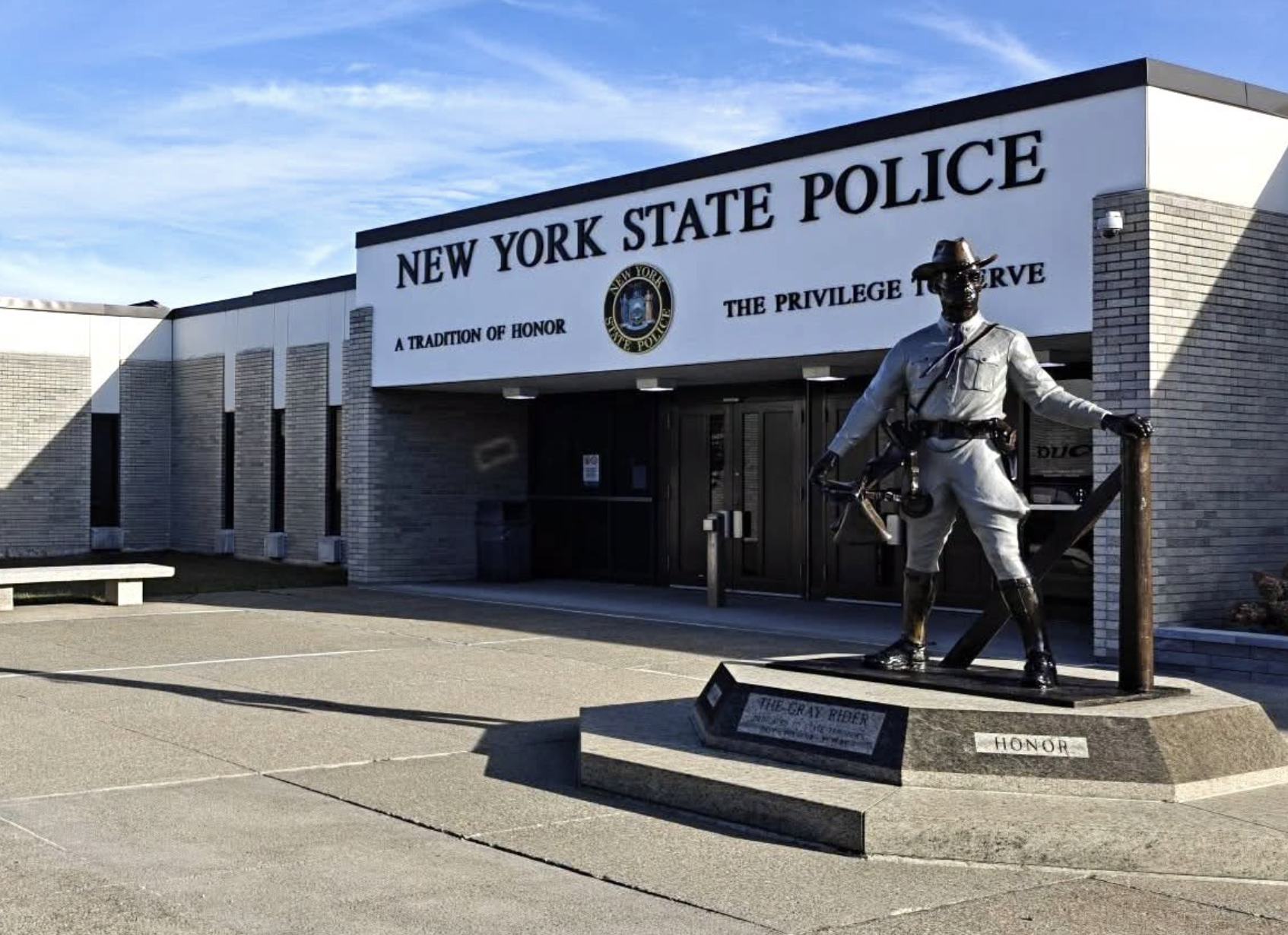
A group of public defenders are calling on the New York State Commission on Forensic Science to deny a request from the New York State Police to bring the ability to conduct a new, powerful DNA test in-house. Photo via NYSP/Facebook
By Jacob Kaye
Around a dozen public defender firms are urging a state regulatory board to reject a request from the New York State Police to utilize a powerful new form of DNA testing that has been used to solve several prominent cold cases, including the Gilgo Beach serial killings.
The public defense organizations, including The Legal Aid Society, Brooklyn Defenders and New York County Defender Services, called on the New York State Commission on Forensic Science to deny an application from the state police to use single nucleotide polymorphism, or SNP, testing in its labs.
SNP testing can be conducted on far more degraded samples of DNA than short tandem repeat testing, the traditional DNA testing technology. It can also reveal a lot more about the source of the DNA, including the person’s ancestry, information about their health, and what the person looks like. SNP testing also opens the door for investigators to utilize forensic investigative genetic genealogy, or FIGG, a process that allows police to use DNA information in public databases, like GEDmatch, to create family trees and use them to match DNA found at crime scenes.
The attorneys claim that while SNP profiles may accurately and reliably generate data that can be used to develop investigative leads, the state has yet to set any rules, regulations or guidelines around the technology, raising concerns about privacy, constitutional and due process rights.
The public defenders plan to bring their argument against SNP testing to the New York State Commission on Forensic Science on Friday, when it will hold a hearing on the state police’s request to use the DNA technology in its labs, the full scope of which has not been publicly released.
The state police, in testimony submitted to the commission, claim that by bringing the technology into their labs, they’ll make breakthroughs on a number of investigations, particularly those that have gone cold.
The technology has already been used in some prominent case. SNP testing conducted in a private lab on a DNA sample found on a piece of pizza crust led to the arrest and conviction of Rex Heuermann, a Long Island man who killed eight women and buried them at Gilgo Beach over a period of 20 years.
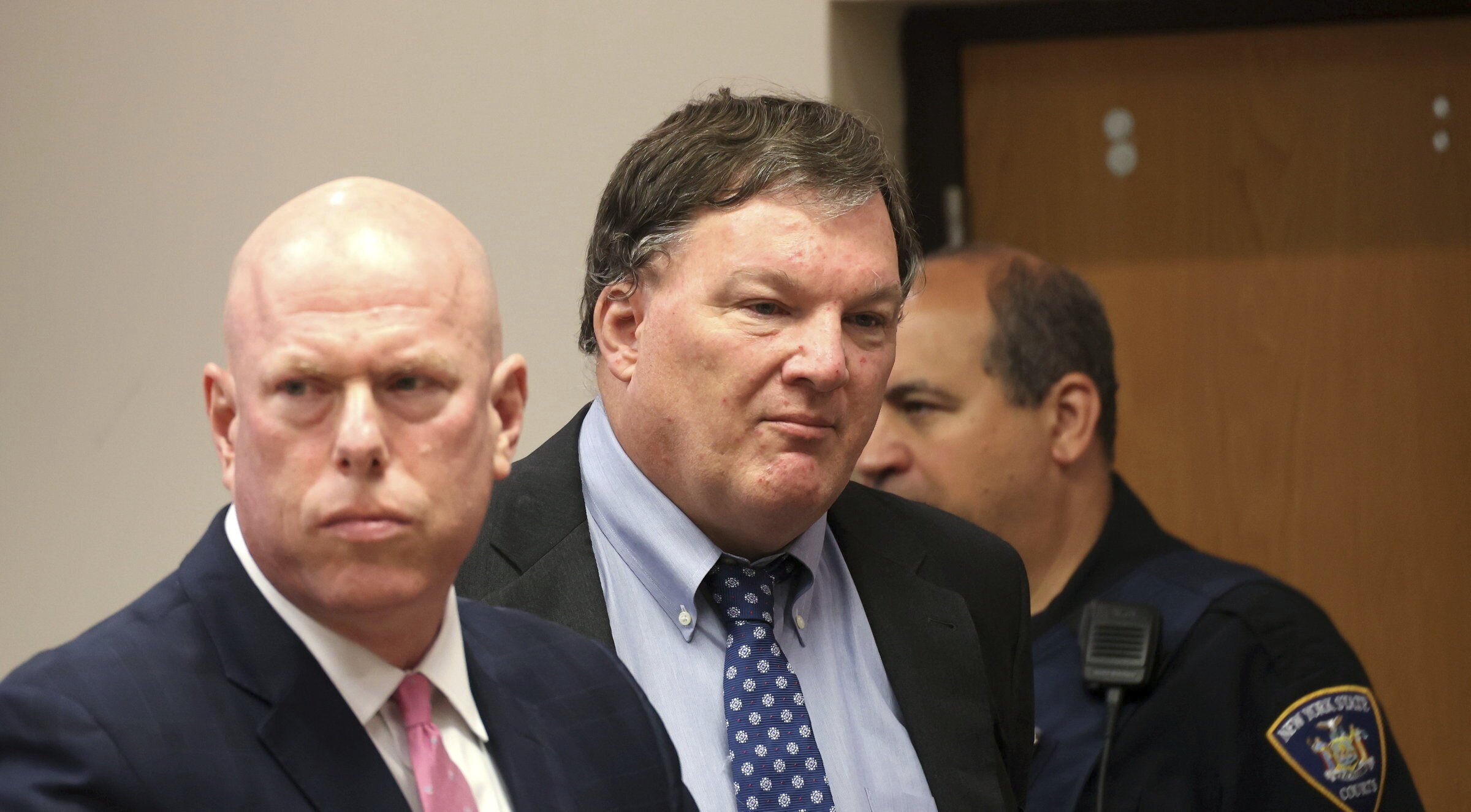
SNP testing led to the arrest of Rex Heuermann, a Long Island man who killed eight women and buried them at Gilgo Beach over a period of 20 years. File photo by James Carbone/Newsday via AP, Pool
The first time SNP testing and FIGG were used in a New York City prosecution was in Queens, when investigators used the technology to identify the remains of World War I veteran George Clarence Seitz, who went missing after leaving his Jamaica home in 1976. Martin Motta, Seitz’s barber, was arrested for the murder in 2021.
But despite investigators’ successes with SNP testing, public defenders say state police shouldn’t be allowed to conduct the testing in-house until the state sets parameters for how it is used.
“There's all these things that get implicated once you authorize a technology like SNP testing,” Jenny Cheung, the director of The Legal Aid Society’s DNA unit, told the Eagle on Wednesday. “New York has not really had a statutory framework to address all of these things as of yet.”
The New York State Police declined to comment ahead of Friday’s hearing.
Current federal regulations limit what investigators can see when conducting traditional DNA tests. The fragment of DNA that can be tested using STR doesn’t contain health or any other predictive information about the person from whom the sample was taken.
Traditional DNA samples collected by law enforcement agencies across the country are also stored in the Combined DNA Index System, which is managed and regulated by the FBI.
Neither of those safeguards has been established for SNP testing, which could reveal information about a suspect’s parents, children, siblings and cousins, even if they have nothing to do with the criminal investigation.
There are also no regulations about how police can use the technology in their investigations. In one criminal case in Florida, police told a woman that they needed her DNA to identify a dead body, but used it instead to identify her son as the shooter in a murder case, according to reporting by NBC News.
“No other forensic technique carries this extraordinary capacity to draw innocent family members into law enforcement scrutiny,” the public defenders said in their letter. “Once a suspect is identified, investigations can narrow, assumptions can harden, and errors can compound. In a criminal justice system where the overwhelming majority of convictions are secured through guilty pleas rather than trials, a mistaken lead can have life-altering consequences long before a court ever evaluates the evidence.”
“A technology with such profound implications for privacy, autonomy, and public trust demands clear statutory rules before, not after, it is deployed across New York's forensic system,” they added.
Despite concerns about privacy and a lack of regulation of SNP testing from attorneys, law enforcement, crime victims and their families appear to support the New York State Police’s request to use the technology.
Nicole Earnest-Payte, a California woman who was a victim of a serial rapist in 1991, said in a letter to the commission that without FIGG, the man who raped her would have never been caught.
“There are families in New York right now doing what I did for 27 years,” Earnest-Payte’s letter read. “They're waiting by the phone. They're wondering if anyone is still working on their case. Some of them are waiting for a name to put on a grave. Some are waiting to find their missing loved ones.”
Earnest-Payte also said that while she believes the commission should grant the state police’s request to bring the testing in-house, it should also work on creating regulations around SNPs’ use.
“This Commission can give [crime victims] a real chance at answers, and it can do that with more oversight, not less,” she said.
Correction: An earlier version of this story incorrectly stated that Jenny Cheung is the supervising attorney ofThe Legal Aid Society’s DNA unit. Cheung is the unit’s director.