Historic Queens rec center reopens after massive renovation
/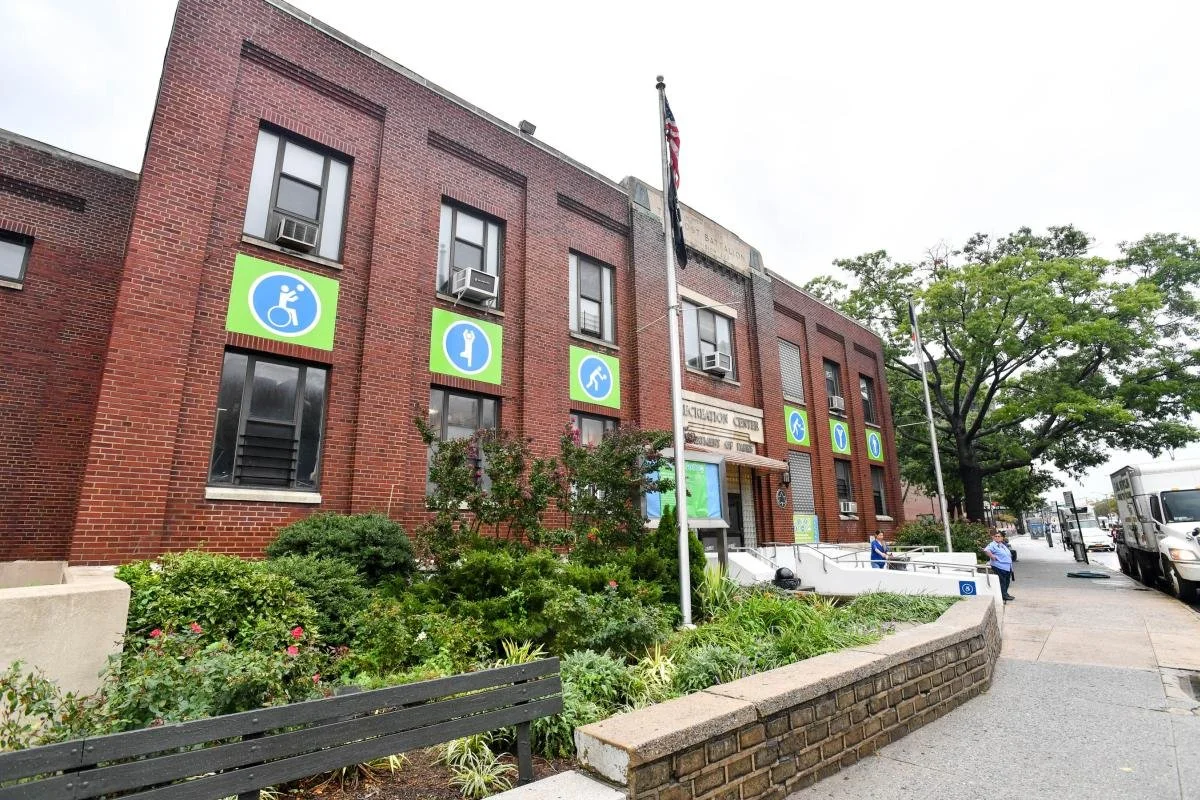
The Lost Battalion Hall Recreation Center in Rego Park reopened last week after a four-year renovation. Photo via the New York City Parks Department
By Ryan Schwach
A Rego Park community facility built during the Great Depression for $100,000 reopened last week following a four-year, $26 million renovation.
The Lost Battalion Hall Recreation Center, once used as a firing range for Queens veterans, reopened its doors to local residents on Friday as an entirely renovated community and recreation center.
Parks Department Commissioner Tricia Shimamura and Mayor Zohran Mamdani announced the reopening, which brings a more accessible and modern recreation center to the middle of Central Queens.
“Every New Yorker should feel proud of their public spaces,” the mayor said. “We’re reopening Lost Battalion Hall just in time for the weather to cool down and New Yorkers to head indoors to continue playing their favorite sports all winter long.
“With new equipment, accessibility improvements and safety upgrades, Lost Battalion Hall will be even more welcoming to New Yorkers. Whether you’re here to shoot hoops, work out or hang out, this is your recreation center,” the mayor added.
The four-year, top-to-bottom renovation included the redesign of the entrance and lobby, refurbished fitness spaces, updated restrooms, a newly painted basketball court, new equipment and upgraded safety and building systems.
The center’s weightlifting area, spin room and fitness room were also upgraded, as were locker areas, storage facilities and bathrooms.
Most of the work was dedicated to increasing the accessibility and sustainability of the center.
“Rego Park children and families have long deserved high-quality recreation space to call their own, especially in a community that glaringly lacks sizable parks or playgrounds,” Queens Borough President Donovan Richards said. “We are delivering exactly that this massive refurbishment of Lost Battalion Hall, which has been the anchor of this neighborhood for generations, ensuring our neighbors have safe spaces that support our physical and mental wellness is a top priority of my administration.”
Lost Battalion Hall has a long and fabled history in Central Queens.
It was completed in 1939 as a project for the Works Progress Administration, the New Deal program created by President Franklin Roosevelt to give jobs to Americans and improve public works and infrastructure.
Its $100,000 price tag is worth about $2.3 million in today’s buying power, less than the $26 million renovation cost.
The building was first used as a firing range and drill hall for the Queens Veterans of Foreign Wars and the American Legion, according to Forgotten New York.
It became Parks Department property in 1960.
“The Lost Battalion Hall has become a staple in Queens for 87 years,” Queens Councilmember Jim Gennaro said. “It is where neighbors come together, where kids can stay active, where seniors can socialize and where people of all ages and backgrounds can unwind. And now, with these renovations, we have a facility that's better equipped to serve the community here for generations to come.”
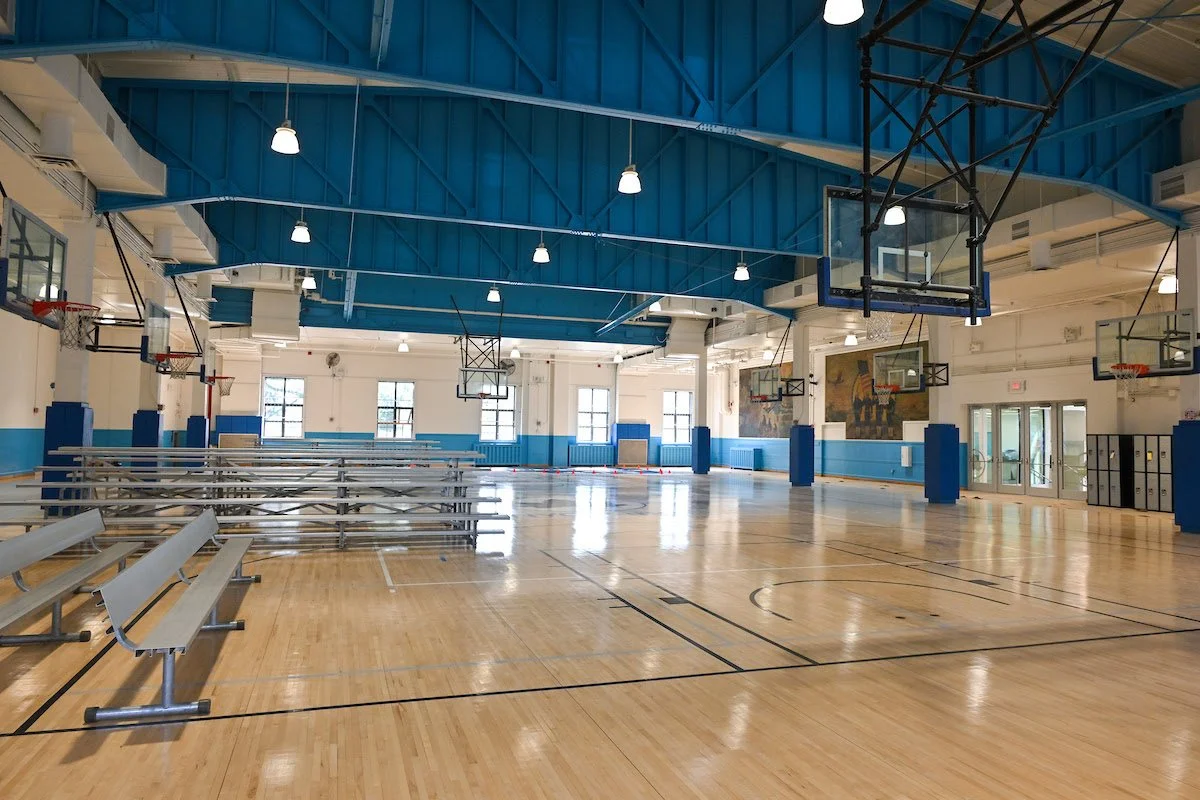
A new basketball court and a host of other improvements welcomed Queens locals back into the Lost Battalion Hall Recreation Center in Rego Park last week. Photo via City Hall
“I'm thrilled to see Lost Battalion Hall getting a new lease on life – especially after such a long wait,” the lawmaker said.
The facility was closed for over a year during the COVID pandemic. It reopened only to be quickly shuttered again to undergo the renovation.
“I am happy to see the return of Lost Battalion Hall, as this investment means so much to families,” Assemblymember Larinda Hooks said. “Access to and investment in youth recreation centers should be a prevalent concern. It is important that every community should have at least one recreation center for young people to enjoy as a safe space to congregate and have fun.”
The facility was named for the “Lost Battalion” of World War I, a unit of mainly New Yorkers that held its ground for five days while surrounded by German troops in the Argonne Forest in France.