Murder conviction reversed after Queens judge kicked dozing spectator out of court
/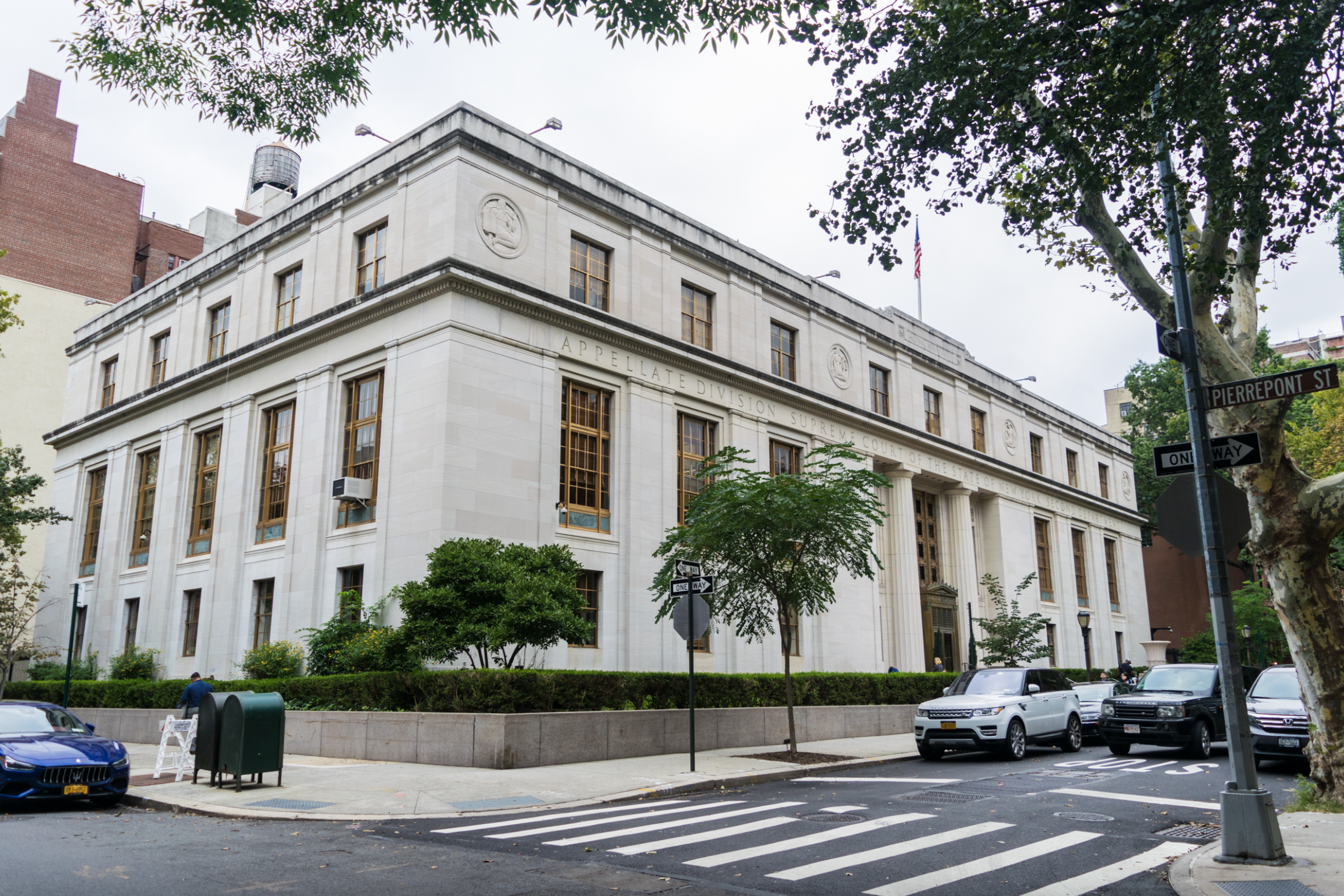
The Appellate Division, Second Department overturned a murder conviction because a Queens judge kicked a sleeping spectator out of the trial. Eagle file photo by Rob Abruzzese
By Jacob Kaye
An appeals court last week overturned a murder conviction after finding that the defendant’s constitutional rights were violated when a Queens judge kicked his drowsy friend out of the courtroom.
A panel of judges in the Appellate Division, Second Department said Donald White, who was found guilty of murder, robbery and weapons possession in 2016, should be given a new trial because he was denied the right to a public trial after Queens Supreme Court Judge Michael Aloise booted White’s friend from the courtroom for napping.
The appeals judges had no questions about White’s guilt – “we are satisfied that the verdict of guilt was not against the weight of the evidence,” they said in their decision. But whether he was given a fair trial was another question.
“[T]he defendant is entitled to a new trial because the Supreme Court improvidently exercised its discretion in excluding a spectator from the courtroom, thereby violating the defendant’s right to a public trial,” the judges wrote.
White was convicted nearly a decade ago for robbing and murdering 26-year-old Henry Jenkins in 2010. White showed up at Jenkins’ St. Albans home in June of that year with an accomplice, Philip Mais, claiming they wanted to buy marijuana from the alleged pot dealer.
Instead, they punched Jenkins in the face when he answered the door and forced their way inside. Once in the house, they grabbed some marijuana and a safe with cash in it.
On the way out of the door, White shot Jenkins in the head, killing him.
Convicting White, however, wasn’t so simple.
His first trial ended in a hung jury. Now, the conviction stemming from his second trial has been overturned.
On the first day of testimony of his second trial, White’s friend fell asleep while watching the proceeding play out from the gallery.
Aloise said the spectator’s nap was “disrespectful” and “distracting to the jurors,” according to the Appellate Division ruling.
The judge then told the friend that he was “excluded from this courtroom for the rest of this trial” and was “not to return” to the courtroom.
The friend then asked the judge if he could come back, before Aloise again ordered him to leave immediately, the ruling said.
The following day, Aloise said that he would allow the friend to return. But White’s friend wasn’t in the courtroom at the time, having been barred from it the day before, to hear that his ban had been lifted.
“The record demonstrates that the Supreme Court did not sufficiently consider whether less drastic measures could have addressed the spectator’s behavior, such as warning the spectator or requesting that the spectator alter his demeanor in the courtroom,” the ruling read.
“The court’s statement the next day that the spectator was no longer excluded from the courtroom was insufficient to remedy the court’s error,” the ruling continued. “The spectator was not present at the time and had no reason to believe that he could return to the courtroom since he had been told the day prior that he was excluded ‘for the rest of this trial.’”
According to the ruling, Aloise didn’t make any other effort to ensure that the man had an opportunity to return to the trial.
“Accordingly, we reverse the judgment and order a new trial,” said the judicial panel, which included former Queens Judges Donna-Marie Golia and Lourdes Ventura.