‘Right to remain silent’ bill passes Assembly
/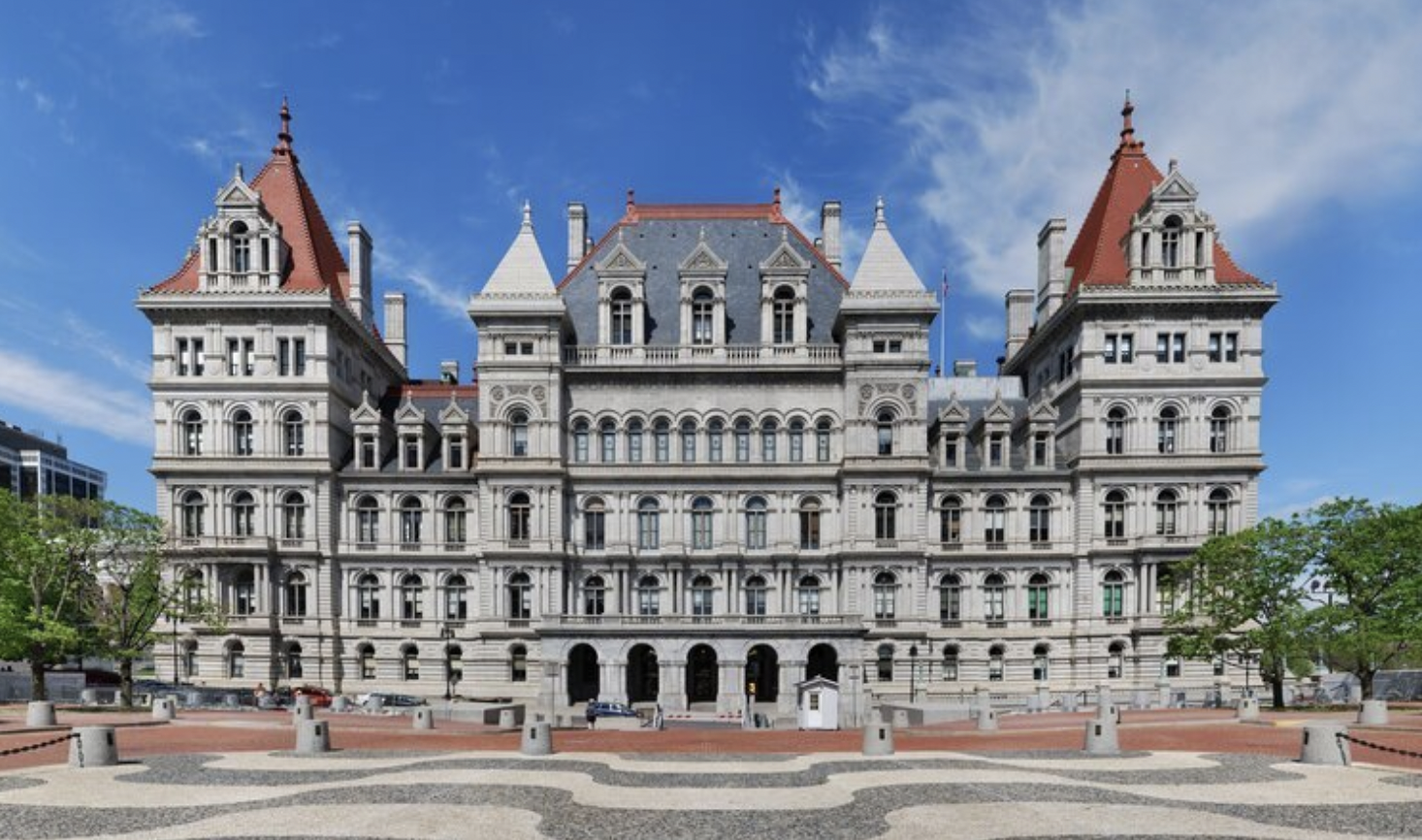
A bill that would protect the rights of youth in police custody passed the State Assembly this week. File photo via Wikimedia Commons
By Ryan Schwach
A bill intended to protect the rights of minors who have been arrested passed the State Assembly on Tuesday, and advocates have hope for its passage in the State Senate.
The “Right to Remain Silent” Act would provide additional protections for teenagers who have been arrested, and would make sure all of them are able to speak with counsel before waiving their Miranda rights.
The Assembly voted 89 to 57 on Tuesday to pass the bill.
The bill’s sponsors say it’s a necessary change to the law because young New Yorkers are waiving their rights too often.
“Children's constitutional rights are being waived at 90 percent, which indicates to us that they don't have an understanding of the rights that they are waiving away,” said Queens Assemblymember Andew Hevesi, who is carrying the bill through the lower chamber. “As a result of that, we're seeing increased rates of false confessions, which send unreliable information into the system, leading to wrongful convictions.”
Hevesi argued that the consequences of wrongful convictions should be enough motivation to change the law.
“The community gets hurt by a lack of trust between police and the community, and then, with these kids who are falsely confessing, that means that there are actual criminals who are getting away with other crimes,” he said.
Jeffrey Deskovic, a lawyer who was wrongfully convicted and imprisoned for the rape and murder of a classmate as a teenager, said his entire life would be different if a law like Hevesi’s had been in place.
He served 16 years in an upstate prison before DNA evidence exonerated him.
“As a 16-year-old, I did not understand what it meant when my rights were read to me, and therefore I was not able to make an intelligent decision about whether I wanted to waive my rights,” he said. “The police overreached me, and it ended up that I gave a false confession, and it cost me 16 years of my life.”
He said the bill would be a big step, but not the whole battle.
“It's critical that high schools and also advocacy organizations make outreach to educate youth about their rights, what their rights mean, what to do if police want to question them,” he said. “The public education is critical.”
The Legal Aid Society called the legislation “long overdue.”
“It’s been more than 30 years since the Exonerated Five were interrogated as youth and coerced into false confessions in New York City,” Legal Aid said in a statement. “In the decades since, New York State has failed to curb deceptive interrogation tactics used by the police. Instead, young people, who lack the capacity to fully understand Miranda warnings and appreciate the long term consequences of their decisions, continue to be subjected to coercive interrogations by law enforcement.”
The bill also requires the police notify a parent before transporting the child to the precinct when taking a child into custody.
It was that part of the bill – along with others – that has been an obstacle for the bill’s passing.
This is the fourth time the bill has been brought in recent years. In 2020, it didn’t make it out of committee, and the next year it passed the Assembly but did not come to a vote in the Senate.
Last year, it didn’t make it out of committee.
However, Hevesi thinks that this year could be different following an amendment that could potentially sweeten the bill for opponents and legislators on the fence.
In the original bill, police needed to immediately notify parents or legal guardians of an arrest. The bill was amended that police only need to prove “reasonable efforts” to make contact before bringing the minor into custody.
“The NYPD objected to that because they said there are other reasonable efforts,” said Hevesi.
“We amended the bill to add that police had to make every reasonable effort to contact the parent or the person legally, legally responsible, but if they're not successful, they can still leave the scene with the child.”
The Queens legislator thinks that the amendment could make it easier to pass, and potentially provide some movement for it in the Senate.
The NYPD did not respond to requests for comment.