Legal advocates call on Mamdani to make judicial appointment process transparent
/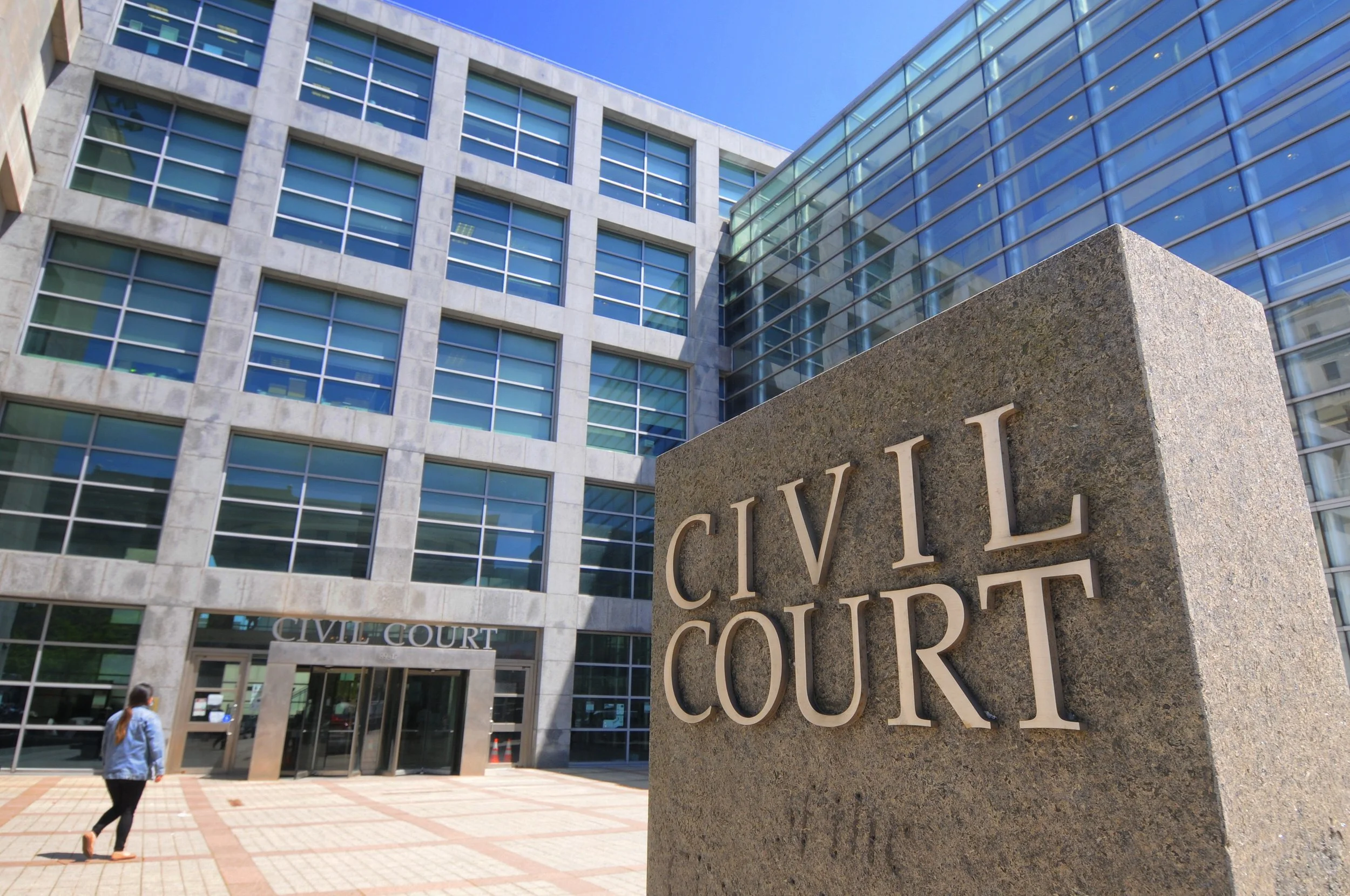
A new report calls for more transparency in the judicial appointment process for city judges. Eagle file photo by Walter Karling
By Noah Powelson
New York City’s judges go through a heavy vetting process before they can serve, but advocates say not much is known about what criteria gets them to the bench.
With a new mayoral administration on the horizon, legal advocates are calling for an overhaul of the mayoral judicial appointment process to provide transparency to the process by which many enter into a judicial role for the first time.
Government watchdog groups Scrutinize and Reinvent Albany released a new report on Monday, detailing the known steps the Mayor’s Advisory Committee on the Judiciary go through when nominating candidates for the bench.
According to the report, roughly one-third of the city’s judges are appointed through the process, accounting for about 180 judges.
But advocates say the actual selection criteria is unknown and that there is little public documentation on what MACJ looks for in its nominees. Without this information, public trust in the judicial appointment process will remain low and judges will be viewed as political candidates rather than qualified, unbiased jurists, the report claims.
“This matters because these judges make life-defining decisions in New York City’s Criminal, Family, and Civil Courts,” the report reads “When the public cannot tell why their judges were picked, trust in the courts and the rule of law erodes.”
A spokesperson for the mayor’s office refuted the report’s claims about a lack of transparency, saying MACJ’s screening and appointment process is laid out in detail on their website. The spokesperson also said candidates go through a public hearing before being appointed, and the mayor regularly publishes lists of appointments after they go through.
Al Baker, a spokesperson for the Office of Court Administration, said the UCS will review the report.

A pair of government watchdog groups called on Mayor-elect Zohran Mamdani to overhaul the appointment process for city judges. AP file photo by Evan Vucci
To be a judge in New York City, candidates must be New York State residents and be admitted to the practice of law in New York for at least 10 years with good standing.
The selection process can take up to eight months to complete, and involves multiple background reviews, interviews with committees and bar associations, and public comment.
MACJ themselves actively search for potential judges, and keep a pool of candidates ready whenever a vacancy in the courts is created.
There are 19 members on MACJ, all of whom are appointed by the mayor.
On MACJ’s website, a disclaimer informs potential candidates that they will not know why they aren’t selected.
But Scrutinize and Reinvent Albany said in their report that the reason for a candidate’s rejection and another’s nomination should be known to the candidates and to the public.
“Because of the necessary assurances of confidentiality that must be provided to ensure that information received is candid and uninhibited, candidates are not informed as to the specific reasons why the Committee has chosen not to recommend his or her appointment,” the website reads.
The groups called on Mayor-elect Zohran Mamdani to use executive orders when he takes office to publish merit-based criteria for judicial applicants, create conflict of interest policies and publish decisions on applicants as they are made.
Among the recommendations made in the report is one to create a public, searchable platform listing all mayoral appointees, listing their court, seat, the appointing mayor, as well as information about when their term started and when it is set to end.
“Judicial appointments don’t have to be a black box. New Yorkers deserve much more information about how people get selected to be judges,” Rachael Fauss, a senior policy advisor at Reinvent Albany, said in a statement.
“Our recommendations will help give New Yorkers confidence that the best candidates – not the most politically connected – become judges,” Fauss added. “The new appointments and tenure tracker will allow the public to see what seats need to be filled, and who is serving in the City’s courts.
The groups also advocated for reshaping the voices that get a say in the nomination process. Scrutinize proposed MACJ be brought down to 17 members selected by a mix of the city’s leadership, including picks from the mayor, City Council speaker, city comptroller, public advocate, as well as the state’s chief judge and law deans.
They also proposed diversifying MACJ members to include public defenders, prosecutors, Family Court representatives, legal aid organizations and civil rights advocates.
“The next mayor can do what no administration has done in fifty years: build a modern system that is transparent and accountable, increases diversity, and centers merit over informal influence,” Oded Oren, the founder and executive director of Scrutinize, said in a statement.
Mamdani’s transition team did not respond to an inquiry for this story.