City releases trove of 9/11 records showing officials knew of health risks but misled New Yorkers
/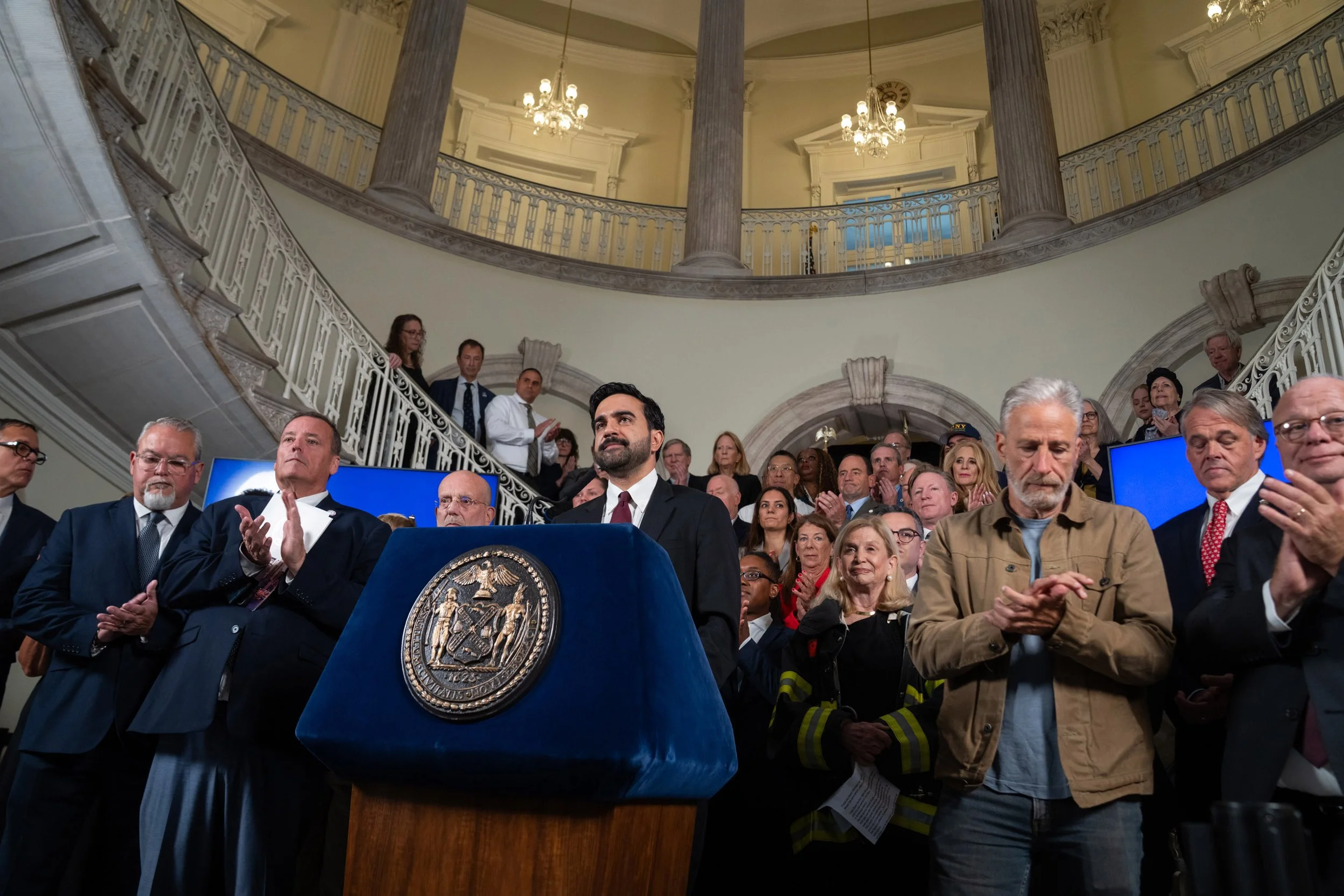
Mayor Zohran Mamdani’s administration released 170,000 documents detailing the toxic air conditions present following the 9/11 attack. Photo by Ed Reed/Mayoral Photography Office
By Noah Powelson
Ahead of the 25th anniversary of the 9/11 attacks, New York City released tens of thousands of pages of documents confirming previous city officials were aware of the potential health hazards first responders and survivors faced but still encouraged New Yorkers to return to dust-strewn areas surrounding Ground Zero after the terror attacks.
The Mamdani administration released over 170,000 pages of 9/11 records on Tuesday detailing how the city knew of the long-term health risks posed to New Yorkers in the aftermath of the attack on the World Trade Center in 2001 but did not share them publicly. The mass document publication was a departure from previous mayoral administrations, which repeatedly claimed they did not have access to any such documents.
The documents show a snapshot of the hazardous health conditions New Yorkers were exposed to in the months following the attack, and include air quality reports, contamination records and correspondence between city officials about how they planned to address health concerns and public perception of the city’s response.
While celebrated by 9/11 advocates and response groups, the released information also risks a new wave of lawsuits and legal costs for the city as New Yorkers understand the full breadth of the health risks they were unknowingly exposed to.
Included in the release were 68 boxes of documents containing information on the 9/11 aftermath that were recorded over two decades ago but only found by city workers last year.
Also included was the “Harding memo,” a 2001 correspondence to former Deputy Mayor Bob Harding that said the city could expect thousands of lawsuits due to the risk of hazardous air conditions posed on New Yorkers.
The city also launched a new public online portal that New Yorkers can freely access to search and view the available documents. Around $34 million was included in the 2027 executive budget to create and maintain the portal.
In the decades following the 9/11 attack, each previous mayoral administration claimed they did not have documents detailing the health risks of long-term exposure to toxic chemicals in Lower Manhattan. The records come after the city settled two lawsuits with 9/11 Health Watch, an independent monitor that sued the city after repeated Freedom of Information Law requests failed to produce the documents.
Mayor Zohran Mamdani said the 170,000 pages were just the beginning, and that the city would release more troves of documents in the coming year.
“People got sick because the leaders they trusted lied and told them they were safe to breathe in toxic air,” Mamdani said. “And then when they began to contend with the symptoms of the illnesses that followed, the government that had not hesitated to send them into harm’s way was nowhere to be found.”
“Administration after administration have ignored those calls for clarity, instead choosing to bury them in legal arguments and in red tape,” Mamdani added. “We will do no such thing.”
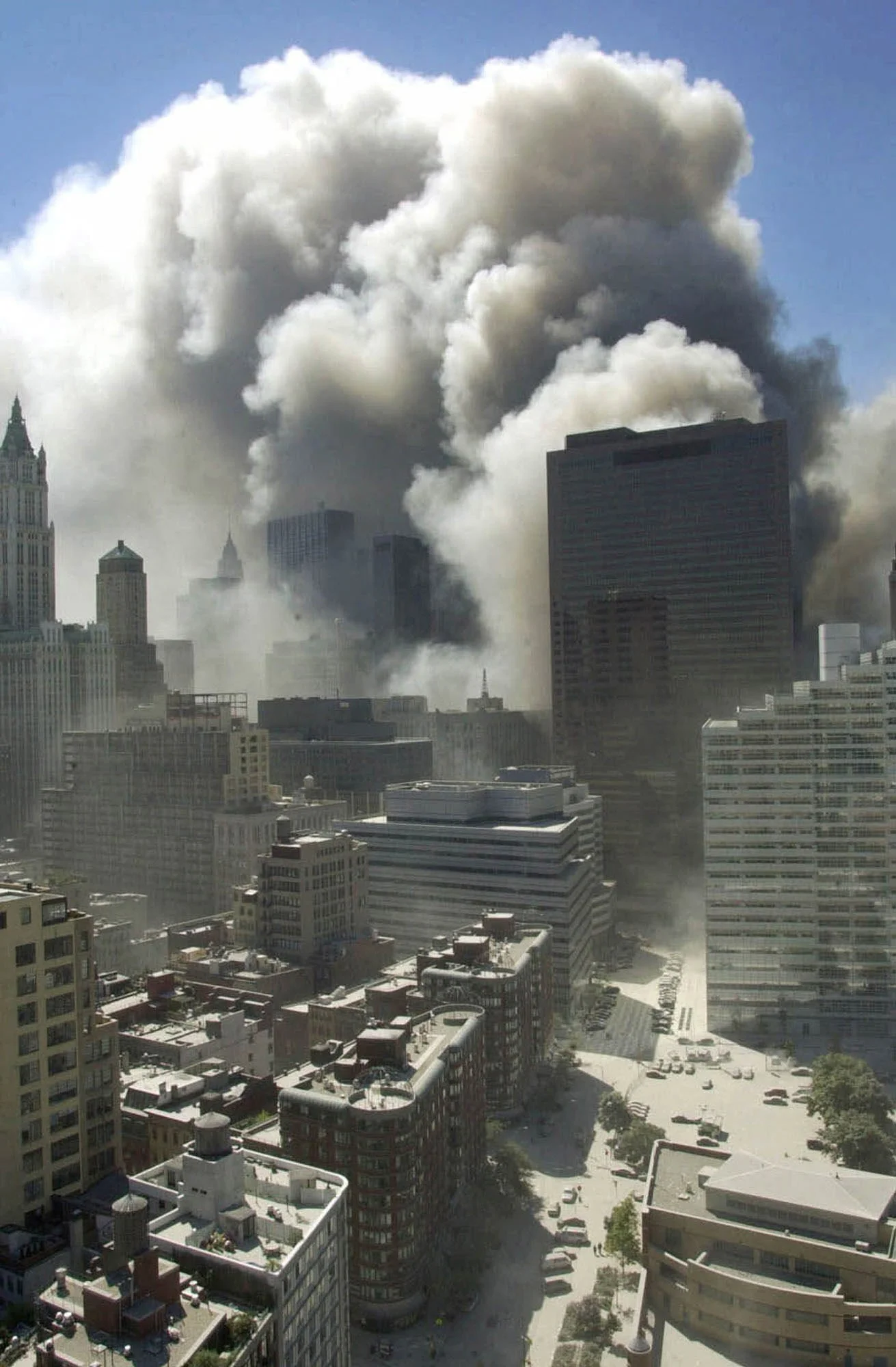
The World Trade Center Health Program said that over 9,000 people have died from 9/11 related illnesses since the attack, including 600 firefighters. AP file photo by Suzanne Plunkett
Mamdani said the documents will inform many New Yorkers who may not know they qualify for government assistance for medical services.
U.S. Senator Kristen Gillibrand praised Mamdani and his administration for releasing the files, saying they would help ensure 9/11 responders and survivors receive the medical care they need.
“There must be accountability,” Gillibrand said. “These records must be released in full. The 9/11 community and New York deserve the truth about what was known and when.”
“Nobody who breathed that air should be denied care or have to wait years for it,” she added.
Steve Banks, the city’s corporation counsel, said releasing the documents could help New Yorkers in their applications for federal assistance.
“People will think about where they were then, and what these records show about what they were breathing then,” Banks said. “It provides knowledge to all New Yorkers, but particularly in the affected zones.”
When asked if the city expects the released documents to result in legal action against the city, Banks said the fear of legal retaliation should not prevent the city from being transparent.
“There have been lawsuits to release the documents, could there be lawsuits relating to the release of the documents? Sure,” Banks said. “But that’s not a reason to not release the documents.”
While 2,997 people were killed on Sept. 11, 2001, including 232 Queens residents, the majority of deaths caused by the attack on the World Trade Center came in the following decades as long-term illnesses connected to exposure to hazardous air conditions began to appear.
According to the FDNY World Trade Center Health Program, over 9,000 people have died from 9/11-related illnesses since the attack, including 600 firefighters.